



• Experiences
  • Stay
  • Our story
logo Sidebar-logo
book
sidebar-background-menu
  • Experiences
  • Stay
  • Our Story
  • Discover The Karoo
  • Offers
  • Impact
book online
or get in touch
  • Rates
  • Need to know
  • Sibella Tribute
  • Blog
  • Agent
  • Careers
  • Contact
gallery-left-tree

Loading...

gallery-right-tree

Discover The Karoo

South Africa’s soul space – the Great Karoo – is a timeless, heart-lifting landscape with a humbling kind of magic.
At the heart of every Samara guest stay is a celebration of what makes the Karoo so special. We invite you to explore its treasures through these pages and during your Samara visit.

Enter
Karoo_Cheetah
Karoo_Crane
Karoo_Cheetah Cub
Karoo_Zebra
Karoo_Rhino
Karoo_Lion
Karoo_Elephant baby
Karoo_Springboks
Karoo_Aardvark
Karoo_Vultures
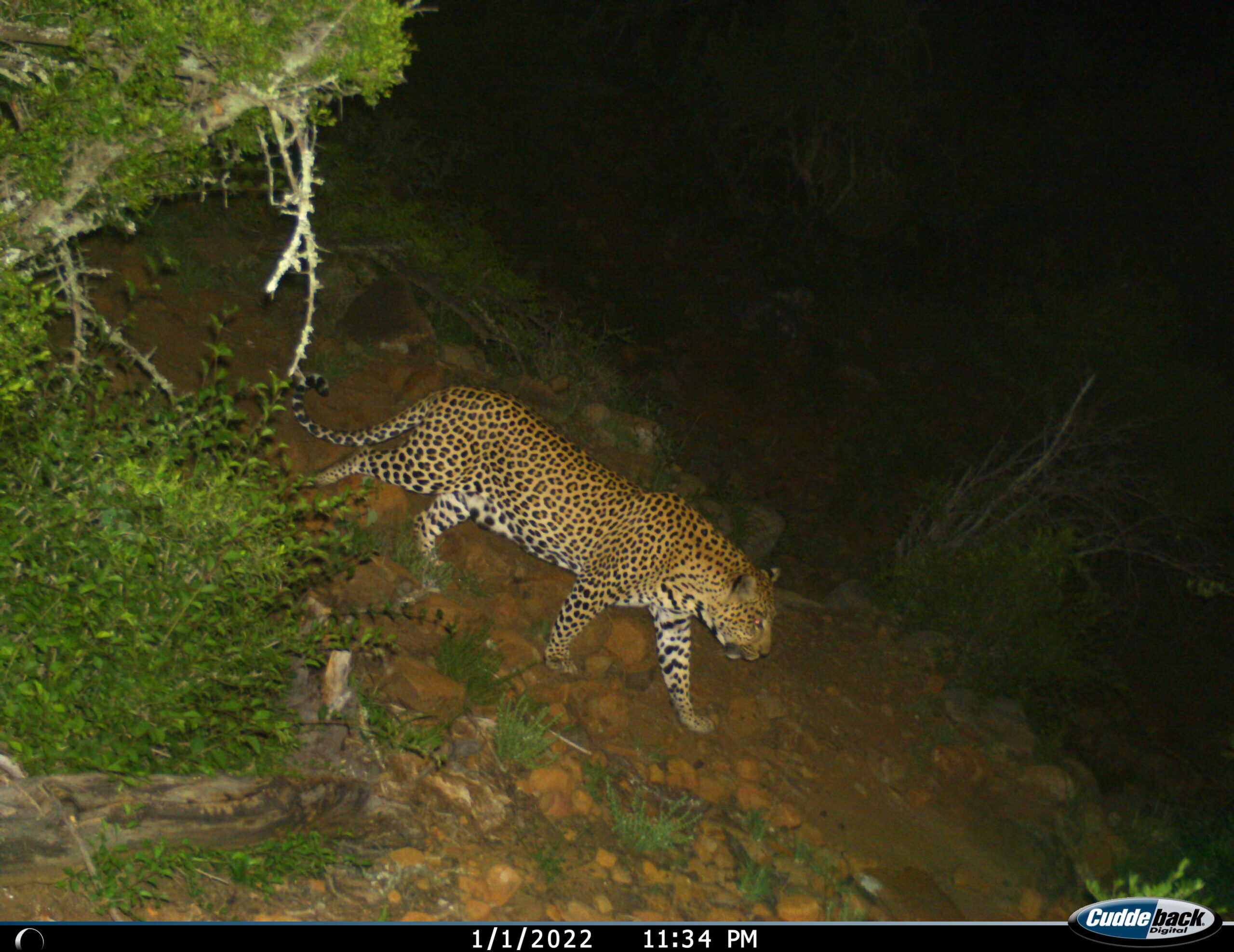
Leopard returning of its own accord, on camera trap 3
meerkats-burrow-roelof-wiesner

Discover The Karoo

South Africa’s soul space – the Great Karoo – is a timeless, heart-lifting landscape with a humbling kind of magic.
At the heart of every Samara guest stay is a celebration of what makes the Karoo so special. We invite you to explore its treasures through these pages and during your Samara visit.

bat-eared-fox-pup-den-samara-karoo-eastern-cape-daviid-swanepoel
Secretary bird
LudwigBustardFlying(2)_KathleenVanOppen
2A4A4839
Blesbok
gemsbok-samara-karoo-reserve-marnus-ochse
eland-mountain-landscape-marnus-ochse
dinner-dish-karoo-lamb
3M6A8687
Y1f5Oqro
samara-mountains-view-karoo-south-africa-tandjiesberg
Samara-Karoo-Lodge-arrival-Maike-McNeill
Voices of the Karoo (Placeholder)
Screenshot
Karoo_Tree
spekboom
Karoo_Flowers
Karoo_Bush Walk
cheetah-rock-art-samara-karoo-reserve
Karoo_Rock art
Karoo_Graafreinet
Karoo_Stars
Karoo_Wagon
Karoo_Cows
Karoo_Hilltop
Karoo_Tracks
Samara-Karoo-Lodge-Karoo-Suite-outdoor-shower-Maike-McNeill
Aloe Ferox and Bird
Vygies
Kapokbos
Karoo_Cheetah
Karoo_Crane
Karoo_Cheetah Cub
Karoo_Zebra
Karoo_Rhino
Karoo_Lion
Karoo_Elephant baby
Karoo_Springboks
Karoo_Aardvark
Karoo_Vultures
Leopard returning of its own accord, on camera trap 3
meerkats-burrow-roelof-wiesner

Discover The Karoo

South Africa’s soul space – the Great Karoo – is a timeless, heart-lifting landscape with a humbling kind of magic.
At the heart of every Samara guest stay is a celebration of what makes the Karoo so special. We invite you to explore its treasures through these pages and during your Samara visit.

bat-eared-fox-pup-den-samara-karoo-eastern-cape-daviid-swanepoel
Secretary bird
LudwigBustardFlying(2)_KathleenVanOppen
2A4A4839
Blesbok
gemsbok-samara-karoo-reserve-marnus-ochse
eland-mountain-landscape-marnus-ochse
dinner-dish-karoo-lamb
3M6A8687
Y1f5Oqro
samara-mountains-view-karoo-south-africa-tandjiesberg
Samara-Karoo-Lodge-arrival-Maike-McNeill
Voices of the Karoo (Placeholder)
Screenshot
Karoo_Tree
spekboom
Karoo_Flowers
Karoo_Bush Walk
cheetah-rock-art-samara-karoo-reserve
Karoo_Rock art
Karoo_Graafreinet
Karoo_Stars
Karoo_Wagon
Karoo_Cows
Karoo_Hilltop
Karoo_Tracks
Samara-Karoo-Lodge-Karoo-Suite-outdoor-shower-Maike-McNeill
Aloe Ferox and Bird
Vygies
Kapokbos

Discover The Karoo

South Africa’s soul space – the Great Karoo – is a timeless, heart-lifting landscape with a humbling kind of magic.
At the heart of every Samara guest stay is a celebration of what makes the Karoo so special. We invite you to explore its treasures through these pages and during your Samara visit.

  • All
  • Wildlife
  • Flora
  • Culture
Karoo_Cheetah
Cheetah_Family

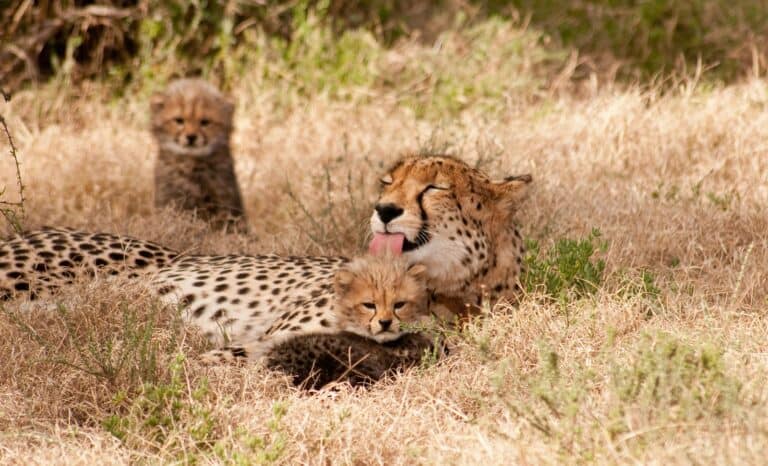
Cheetah

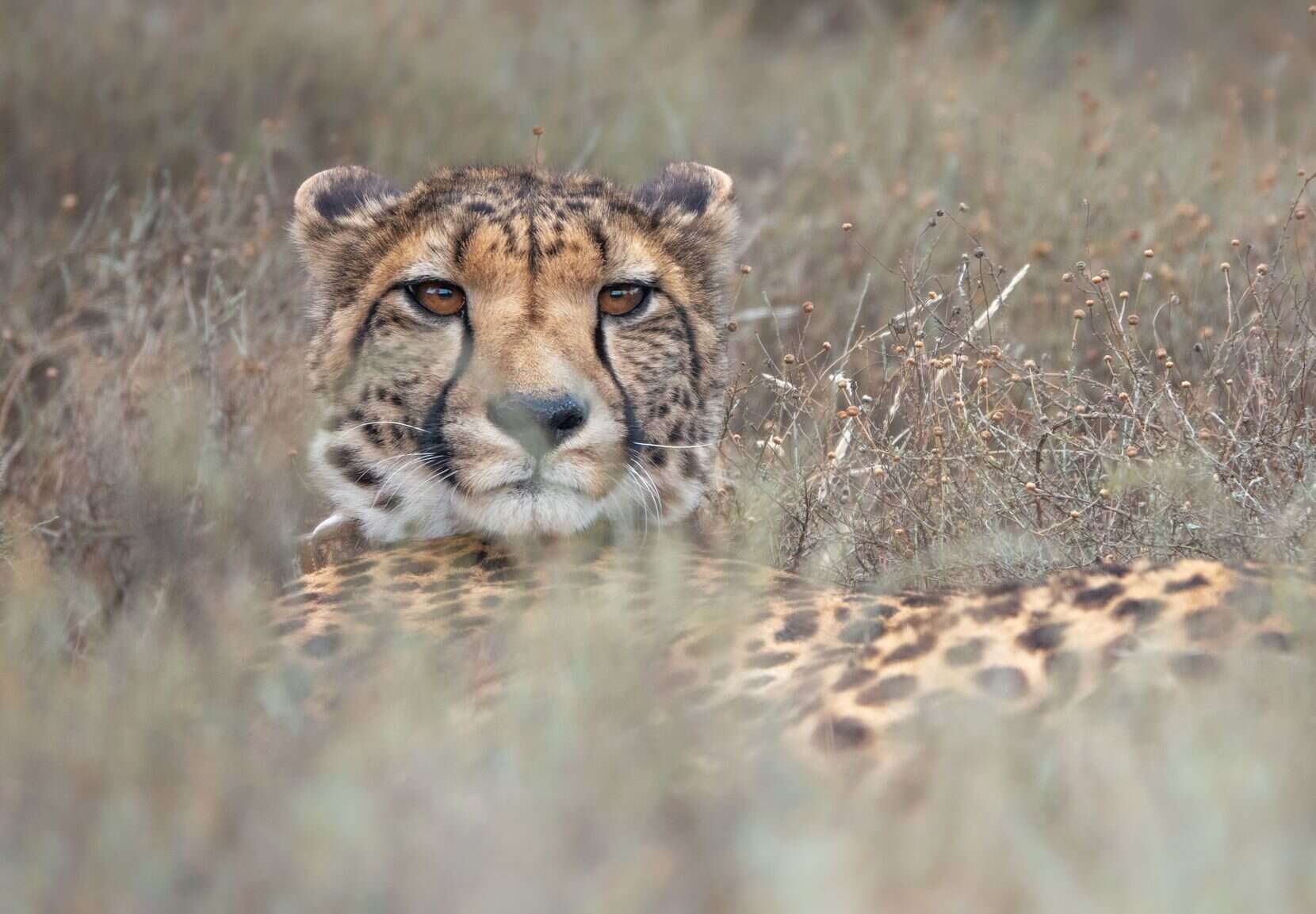
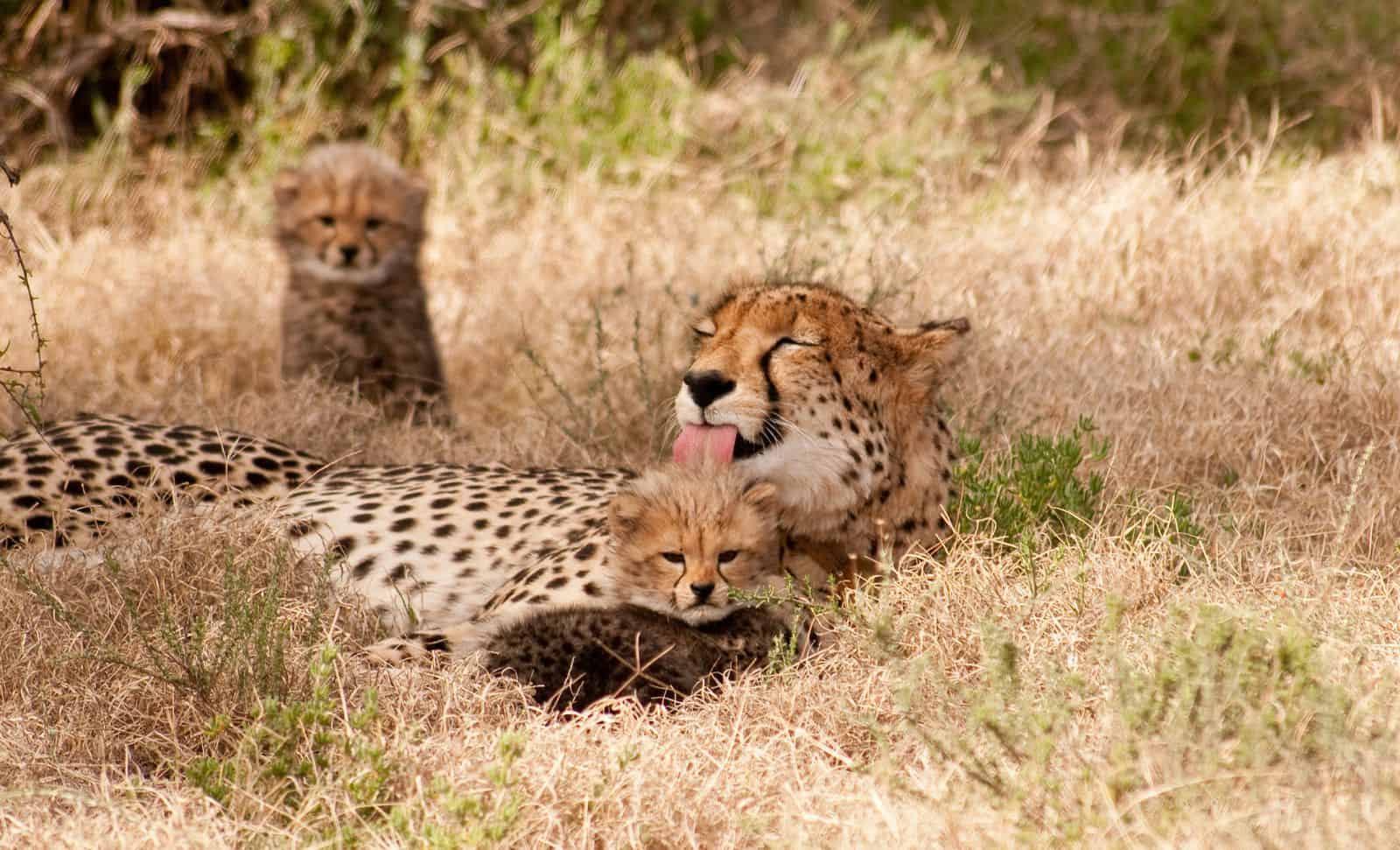
The Karoo provides excellent cheetah habitat. Samara is widely-regarded as one of the best places in Africa to view cheetah in the wild, both from a vehicle and on foot.

Estimates suggest that fewer than 7,200 adult cheetahs remain worldwide. Samara’s success with cheetah conservation has seen in excess of 60 individuals living and being born on the reserve, with dozens translocated across sub-Saharan Africa to supplement populations in private protected areas and national parks.
Cheetah_Family
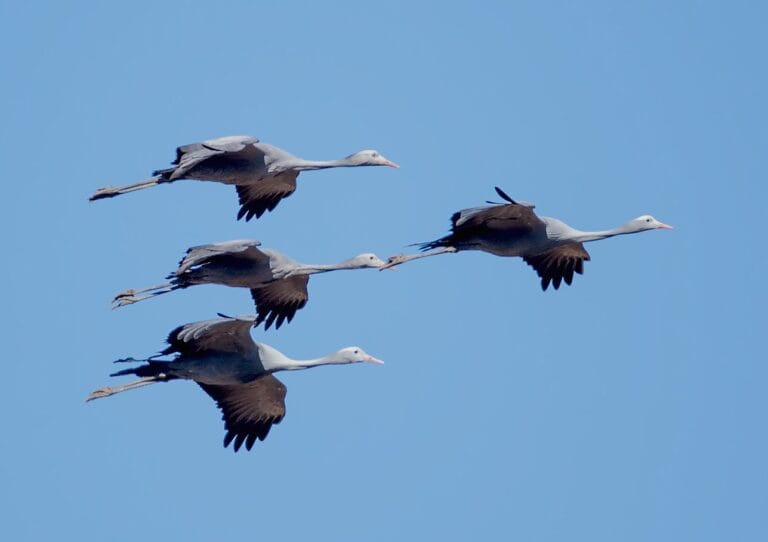
Karoo_Crane

Blue Crane

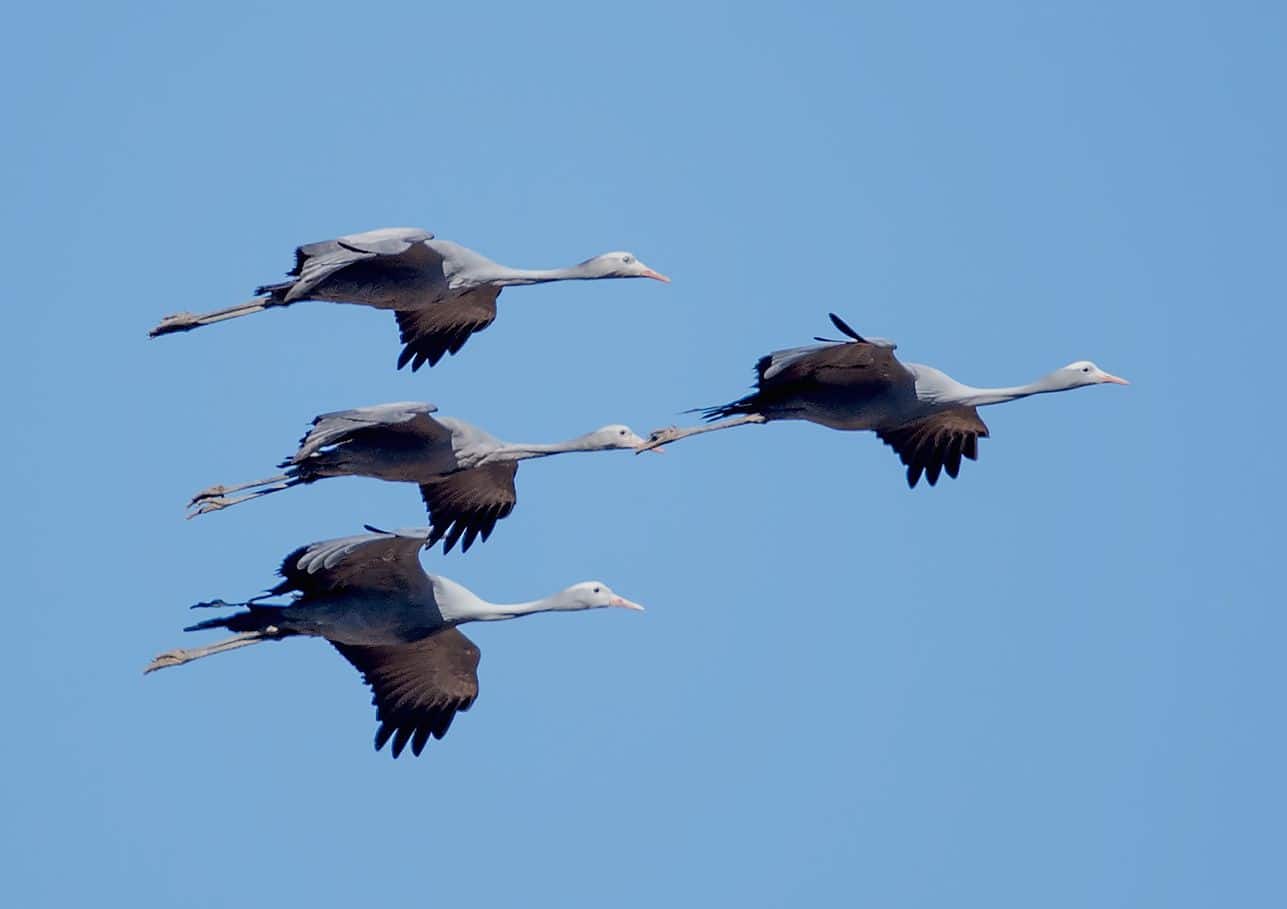
South Africa’s national bird is a ubiquitous Karoo resident – seen in pairs with chicks during the summer months and in large flocks during the winter.

Culturally the blue crane is revered by the amaXhosa people, to whom it’s known as “indwe”. Traditionally, Xhosa heroes, known as “men of ugaba”, were adorned with its feathers by chiefs, symbolising their role as peacekeepers during times of trouble.

The eerie call of a blue crane in flight is a special sound to hear on safari.

Karoo_Cheetah Cub
Cheetah_Family

Sibella

Privileged to be home to the endangered cheetah, Samara was also host to a remarkable individual. Sibella was a wild cheetah who defied the odds to become a global ambassadress for cheetah conservation.

Born in South Africa’s North West province, her life nearly ended at the hands of hunters who set dogs upon her, before locking her in a cage and leaving her for dead. Undergoing five hours of surgery to save her life, she was rehabilitated and subsequently translocated to Samara in 2003 – making history as the first wild cheetah to return to the Great Karoo in 130 years.

learn more
Cheetah_Family
Karoo_Zebra

Cape Mountain Zebra

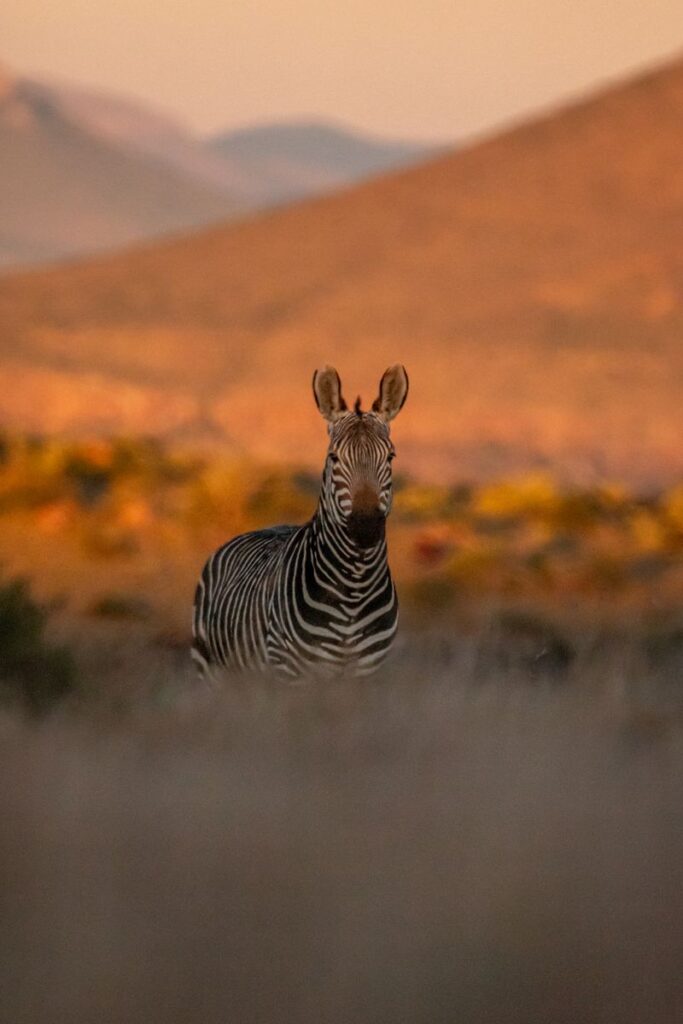
Once roaming across vast areas of the Eastern and Western Capes, Cape mountain zebra now survive only in small pockets of protected areas across their former range. The Mountain Zebra National Park near Cradock was proclaimed in 1937 specifically to protect this diminutive zebra and has been instrumental in growing its population from around 80 individuals to just under 5,000 across South Africa.

Grassland-dwellers, Cape mountain zebra can be found on Samara’s mountain plateaus where they socialise in small family groups.

Karoo_Rhino

Black Rhinoceros

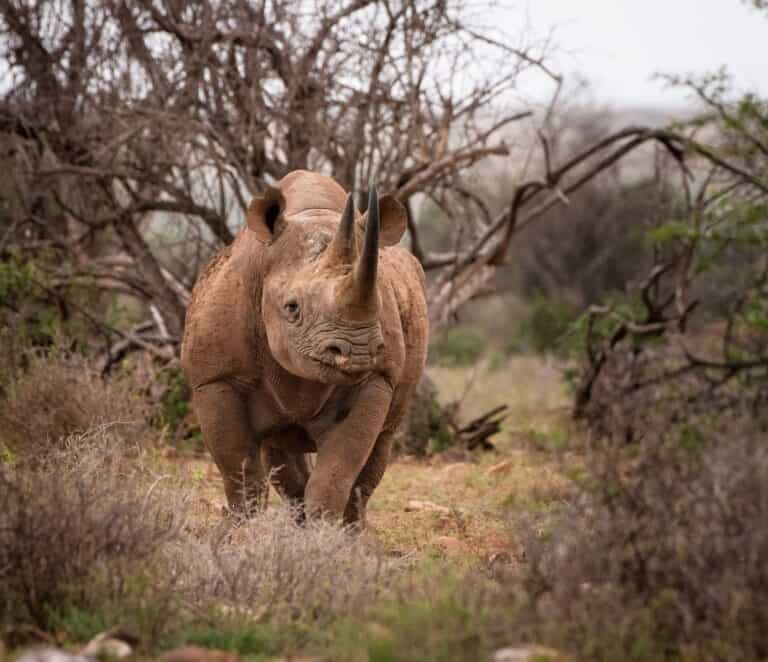
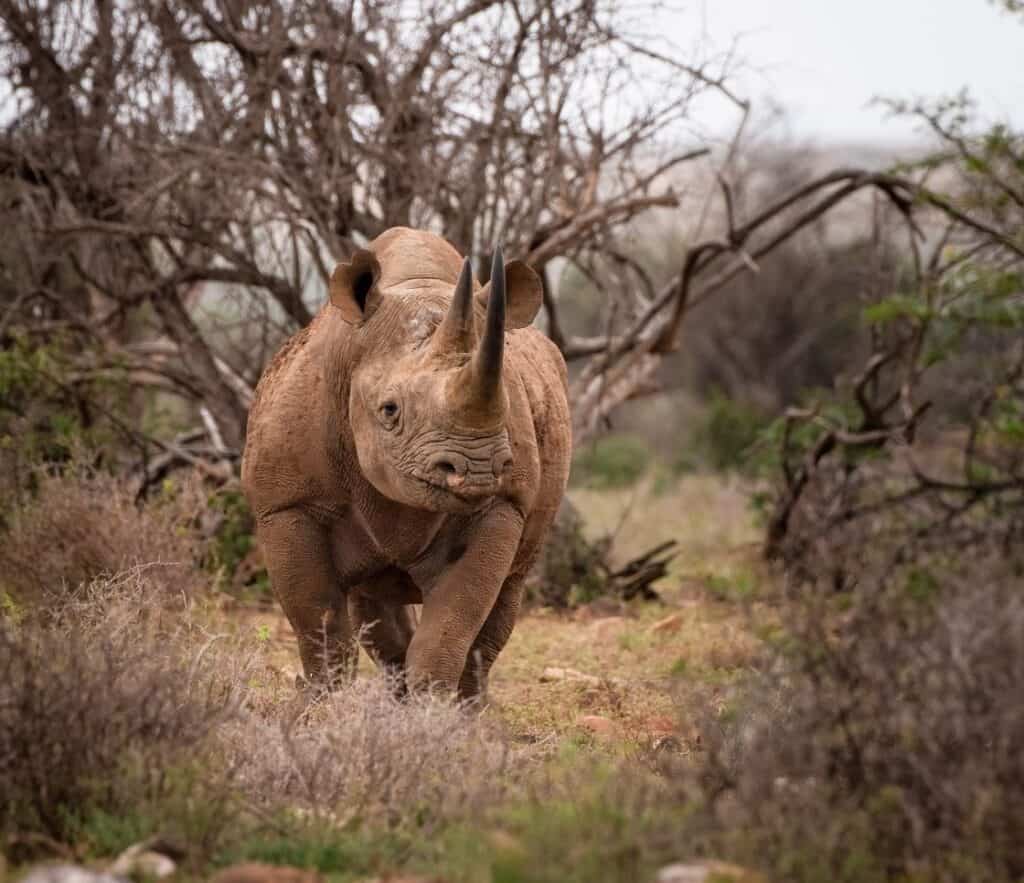
Today there are around 6,400 black rhinoceros remaining across Africa. The desert-adapted subspecies is known for its ability to thrive in harsh conditions, navigating temperature extremes and limited water availability. This makes it particularly well-suited to the Karoo environment.

The 18th century French naturalist Francois le Vaillant wrote prolifically about his adventures in the South African interior. In one diary entry, he noted the presence of black rhinoceros tracks by a river which traverses modern-day Samara. Fast-forward several centuries, and after Samara’s historic black rhinoceros reintroduction in 2013, our region is once more home to this Critically Endangered species.

Karoo_Lion
lion-image

Lion

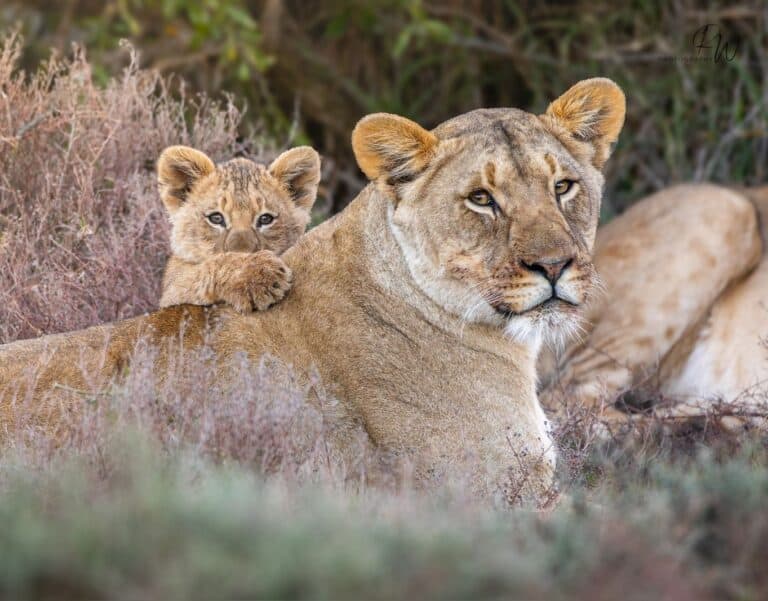
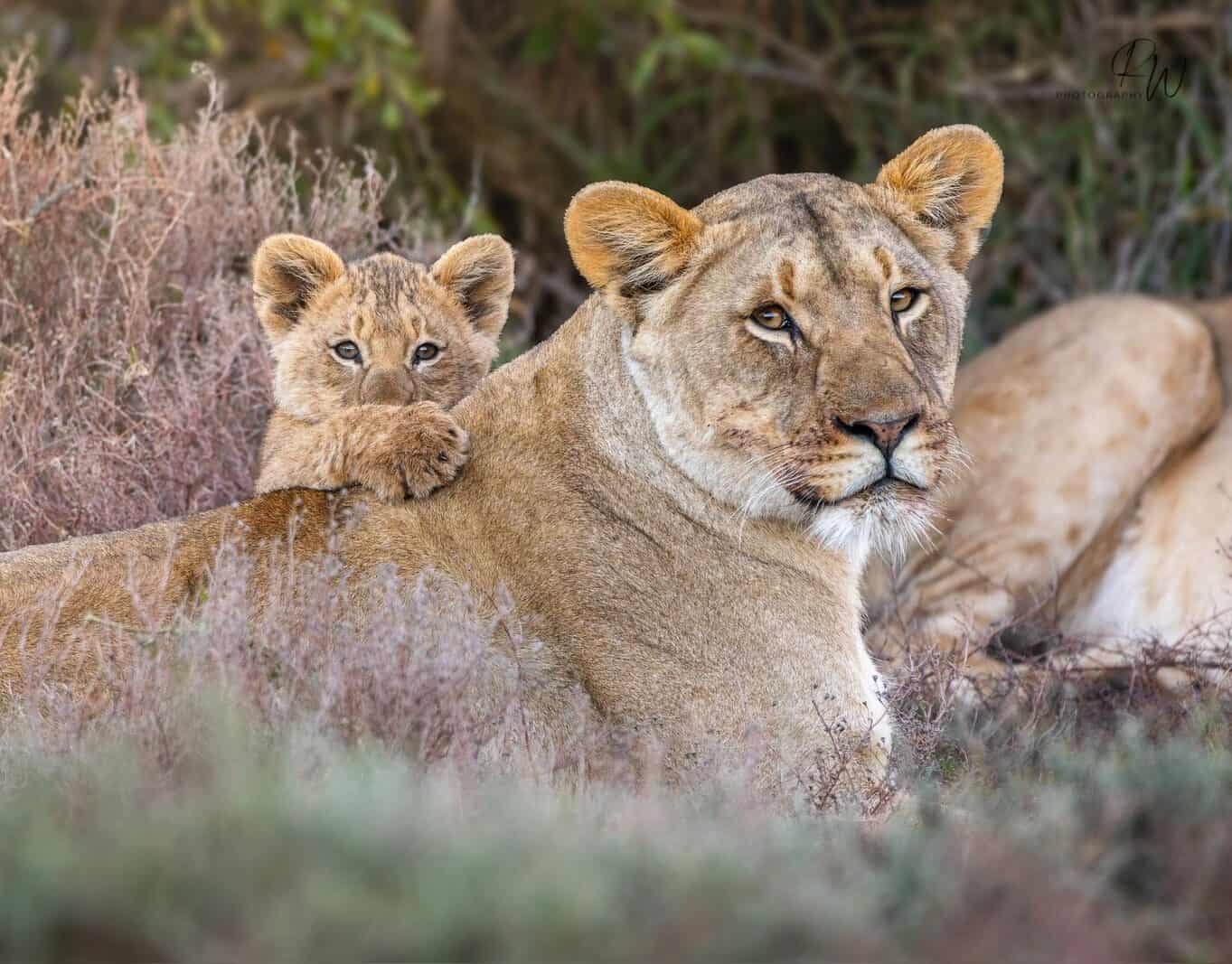
Historical records show that the prides of lion that used to roam the region of Samara were so fierce that travellers would not set off in their oxen-pulled wagons at night so as to avoid these predominantly nocturnal hunters.

Samara reintroduced the first lion back into the region in 180 years in 2019. The aim of the reintroduction was twofold: to expand habitat for a species whose numbers have plummeted by 75% over the past 50 years, and to restore the ecological function of predation back onto the reserve.

lion-image
Karoo_Elephant baby

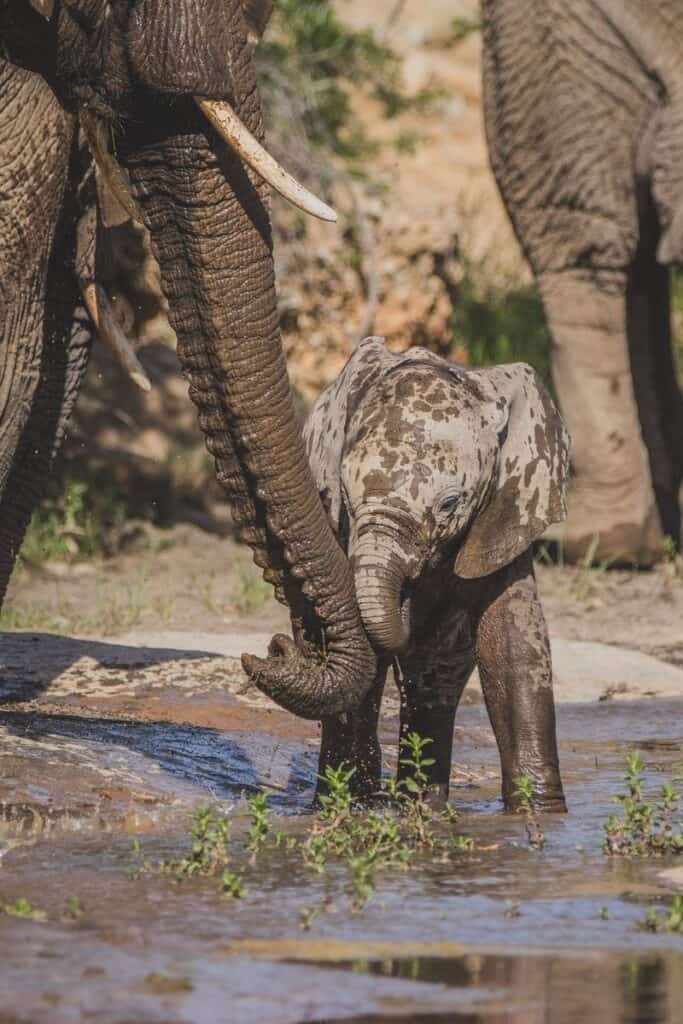
Elephant

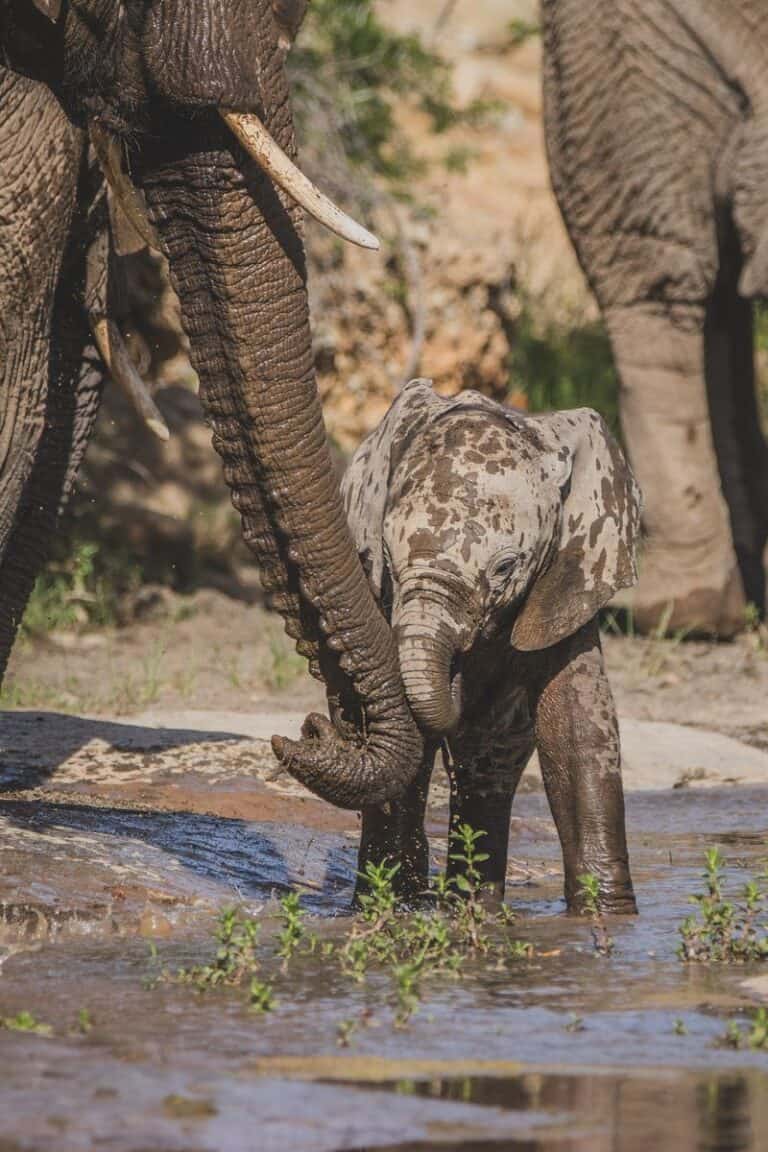
Elephants, being the largest mega-herbivores in Africa, are known as ecosystem engineers for the way in which they shape and influence ecosystems and biodiversity. After an estimated absence of more than 150 years, Samara reintroduced the first elephant herd back onto the landscape in 2017.

This provided an exciting research opportunity to explore elephant impacts. An ongoing monitoring programme measures the elephants’ effects on select plant species. Interestingly, Samara’s elephants are showing signs of targeting alien invasive trees such as the pepper tree – indicating the potential of rewilding to overcome other environmental challenges.

Karoo_Springboks

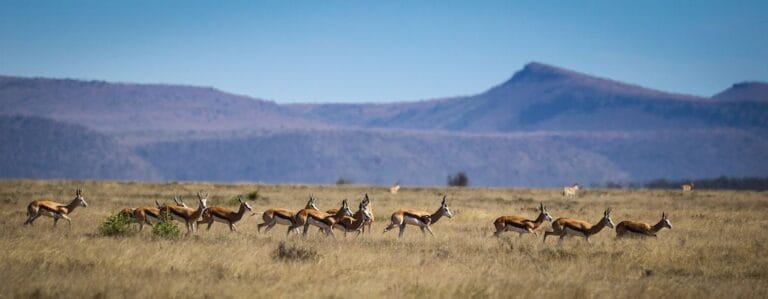
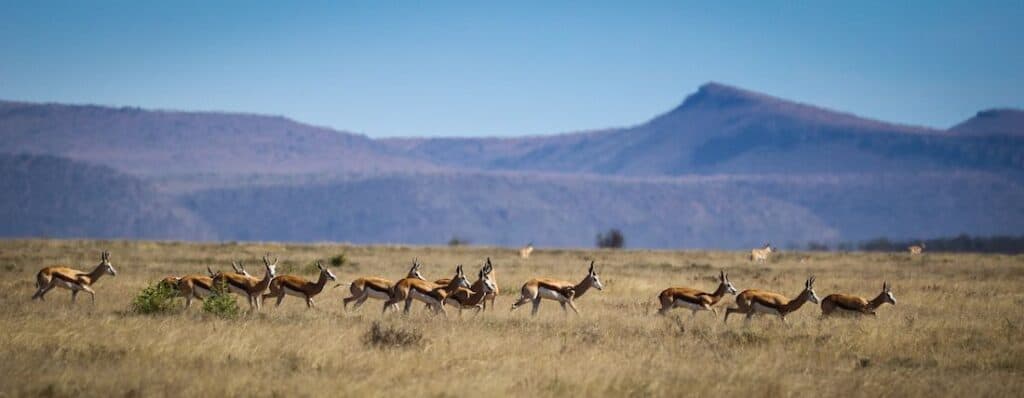
Springbok Migrations

Majestic migrations are synonymous with East Africa, but did you know that centuries ago South Africa’s Karoo played host to the epic springbok migration? Springbok once roamed widely across the Karoo basin, hundreds of thousands-strong, following the rains to find year-round sustenance. Eye-witness accounts describe a thunderous, awe-compelling event when they set off on their trek. It is said that the dust generated by the antelope’s hooves hung in the air for up to two weeks. The last springbok migration was recorded in the Eastern Cape in 1896.

Though seemingly destructive to the land it passed through, the migration served a neat ecological purpose. The springbok hoof action broke up the hard dry soil, their droppings laying the foundation for the next season’s growth, catalysed by the Karoo’s infrequent rains. Roaming as they once did across a vast landscape without fences, it could be years before they found themselves back in the same spot. In this way, grasses and shrubs had ample time to recover.

Karoo_Aardvark

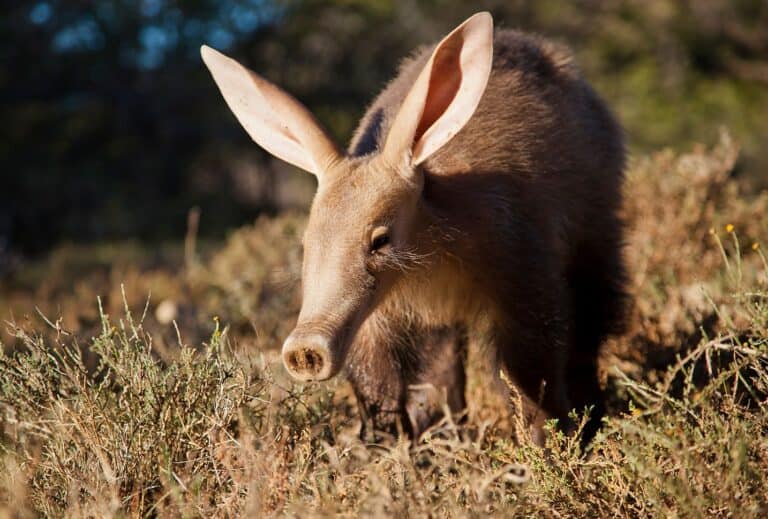
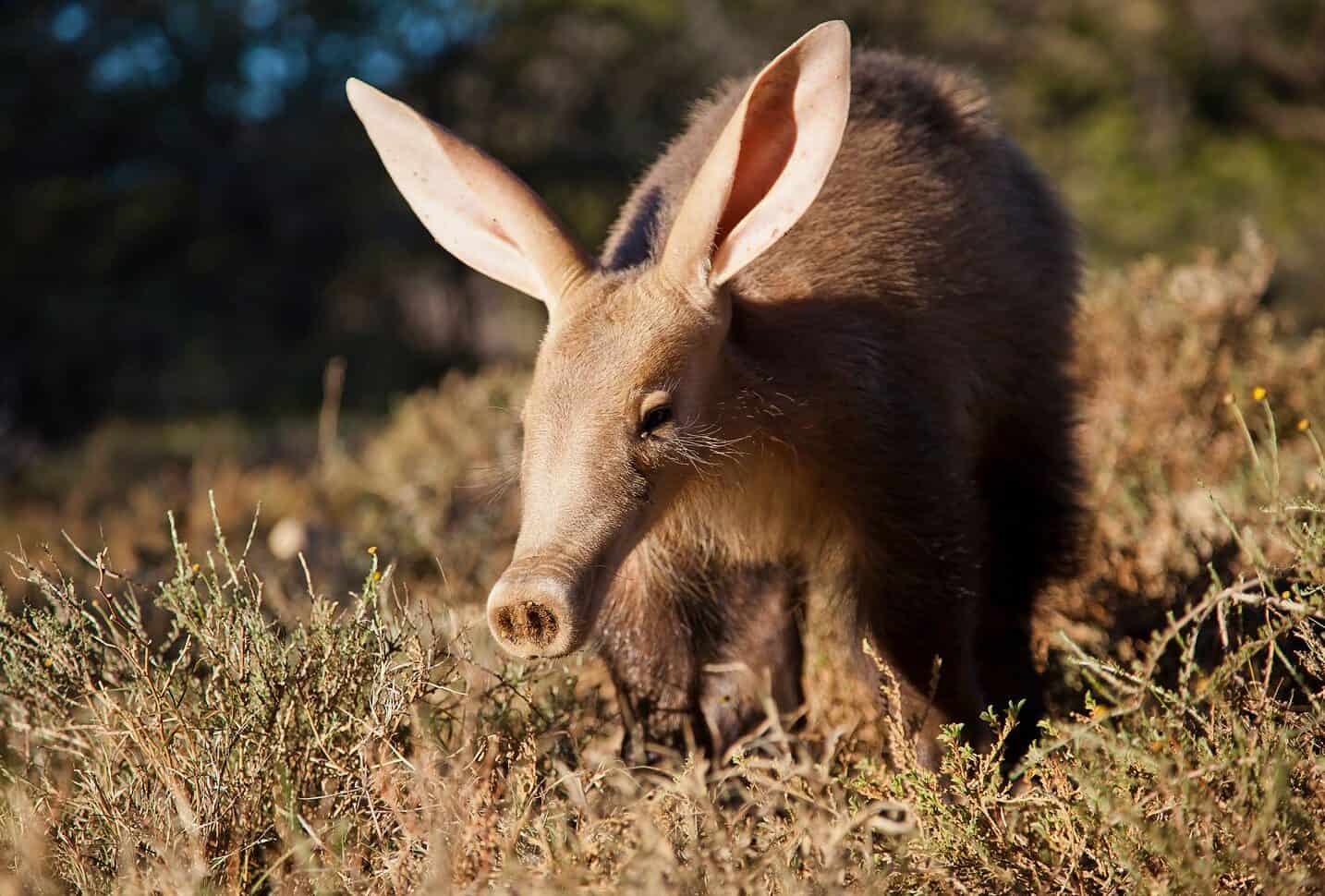
Aardvark

Topping many a safari bucketlist is a peculiar creature. The only member of its order (Tubulidentata), the aardvark is quite literally in a league of its own, genetically and physically. It resembles nothing else that you might spot on an African safari, combining the ears of a donkey, tail of a kangaroo and snout of a pig with a 40cm pink tongue and long sharp claws.

Aardvarks are found across Africa in a broad range of habitats, but they remain notoriously elusive in most places. Samara and the Karoo in general contain large tracts of suitable habitat for aardvarks – where the soil is sandy enough to be dug with ease, yet structured enough that its burrows (where it spends the day) do not collapse in on themselves.

Read More
Karoo_Vultures

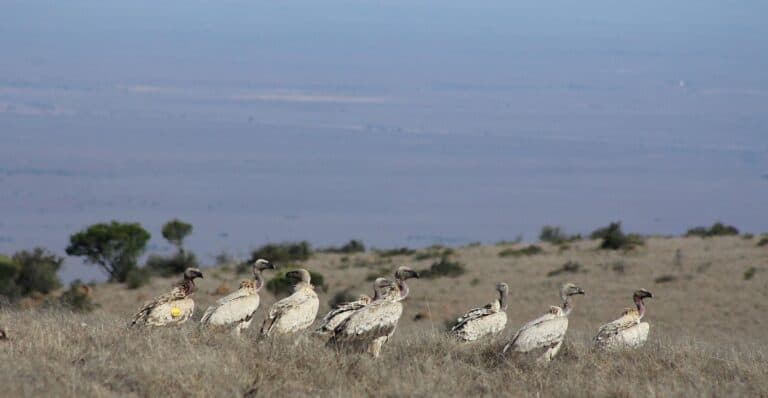
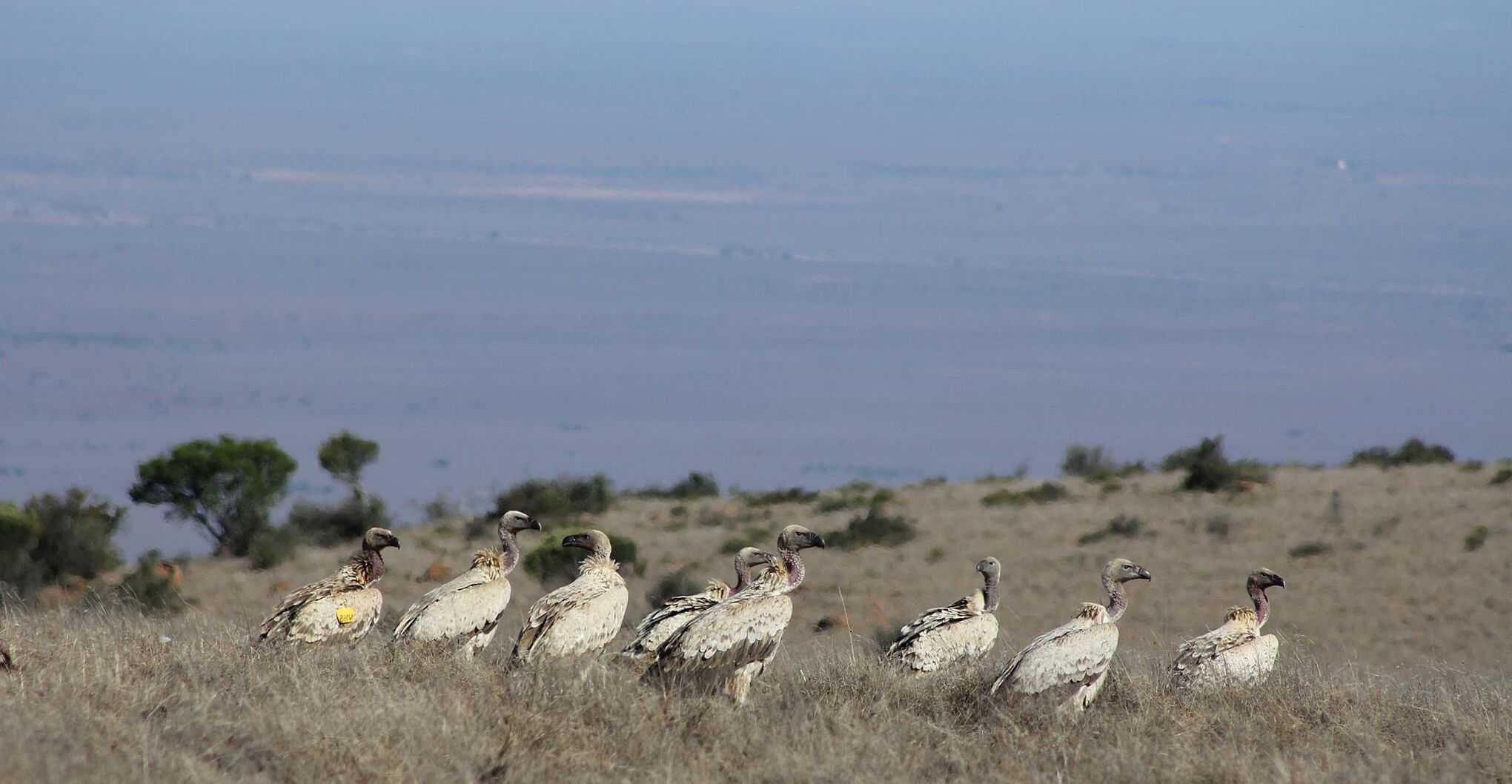
Cape Vulture

Much-maligned in popular Western culture as harbingers of death and disease, the presence of vultures is in fact a signal of a healthy ecosystem, as the scavenging function they perform helps to prevent the spread of disease.

Only 9,400 mature Cape vultures remain, with migrant individuals occasionally traversing the Karoo region to feed on carcasses left by Samara’s predators. These meagre numbers are a far cry from populations of old, when vultures were said to nest and perhaps even breed in the Karoo. Indeed, one of the mountains on Samara is named Aasvoelberg – Afrikaans for “Vulture Mountain”.

Samara is proud to be a part of the Karoo Vulture Safe Zone, a joint initiative by the Endangered Wildlife Trust, SANParks and BirdLife South Africa. The programme hopes to encourage vultures to return to the Karoo by eliminating the threats they face across the landscape, from poisoning to collision with powerlines.

Leopard returning of its own accord, on camera trap 3

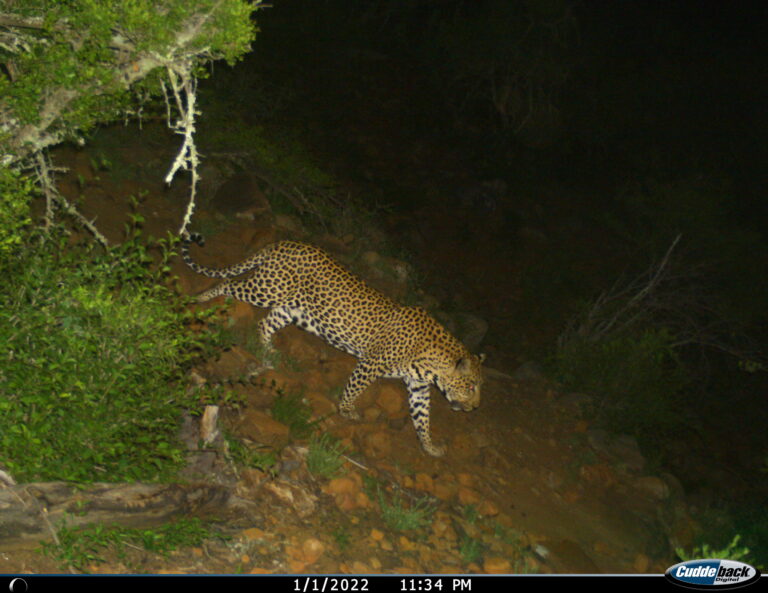
Leopard

Historically persecuted across the Karoo, leopards are starting to make a comeback. In 2021, we spotted the first leopard on the reserve since Samara’s inception in 1997. Since then, a camera trap and tracking programme has provided increasing evidence of leopards on the landscape. In 2024 we set up the Sneeuberg Leopard Project with Samara’s neighbours to better understand the leopard population within and beyond our borders.

A local newspaper cutting from 1906 describes how in the space of just a few years, nine leopards were captured at the farm Apieskloof, which is now home to Samara’s Karoo Lodge. With leopard conservation gaining traction in the region surrounding Samara, we hope to one day be able to support a similar density of leopards back on the landscape.

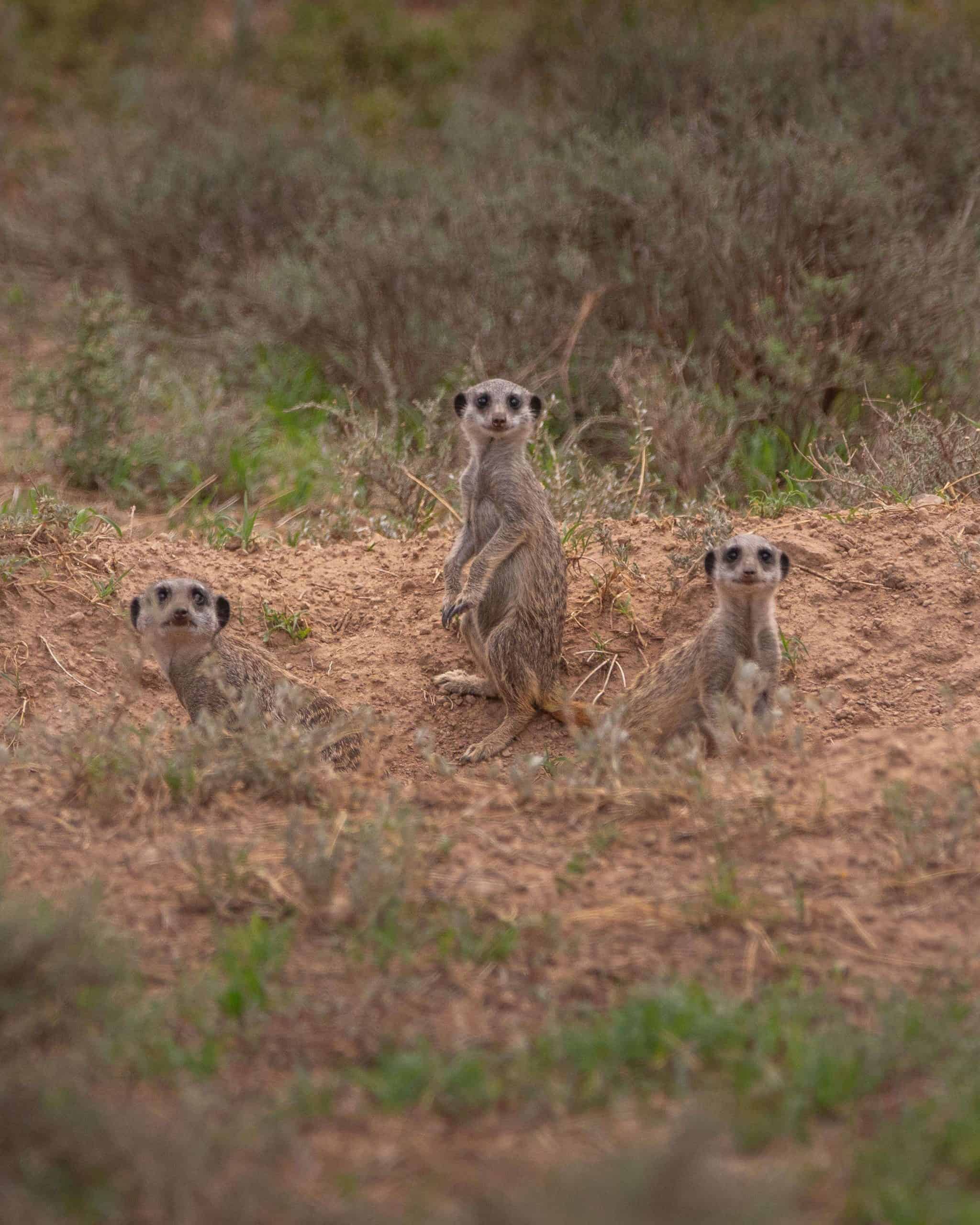
meerkats-burrow-roelof-wiesner

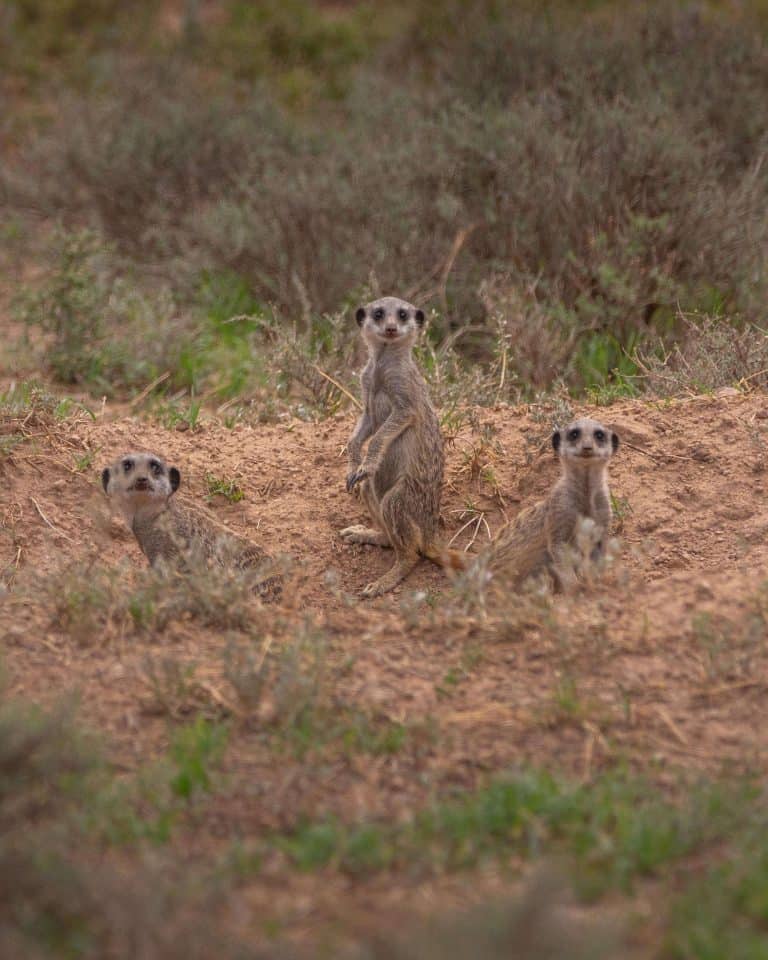
Meerkats

Native to Southern Africa, meerkats thrive in the arid Karoo landscape. At Samara, sightings of these lively creatures are a regular occurrence — whether they’re basking in the sun, foraging in the veld, maintaining their burrows, or engaging in playful social interactions.

Living in tightly knit groups known as mobs or clans, sometimes numbering up to 50 individuals, meerkats follow a complex social structure. Their cooperative behaviour and strong social bonds have made them a symbol of unity and teamwork in Southern African folklore.

These small mammals also play an important ecological role in the Karoo. Their burrowing aerates and enriches the soil, while their insectivorous diet aids in natural pest control.

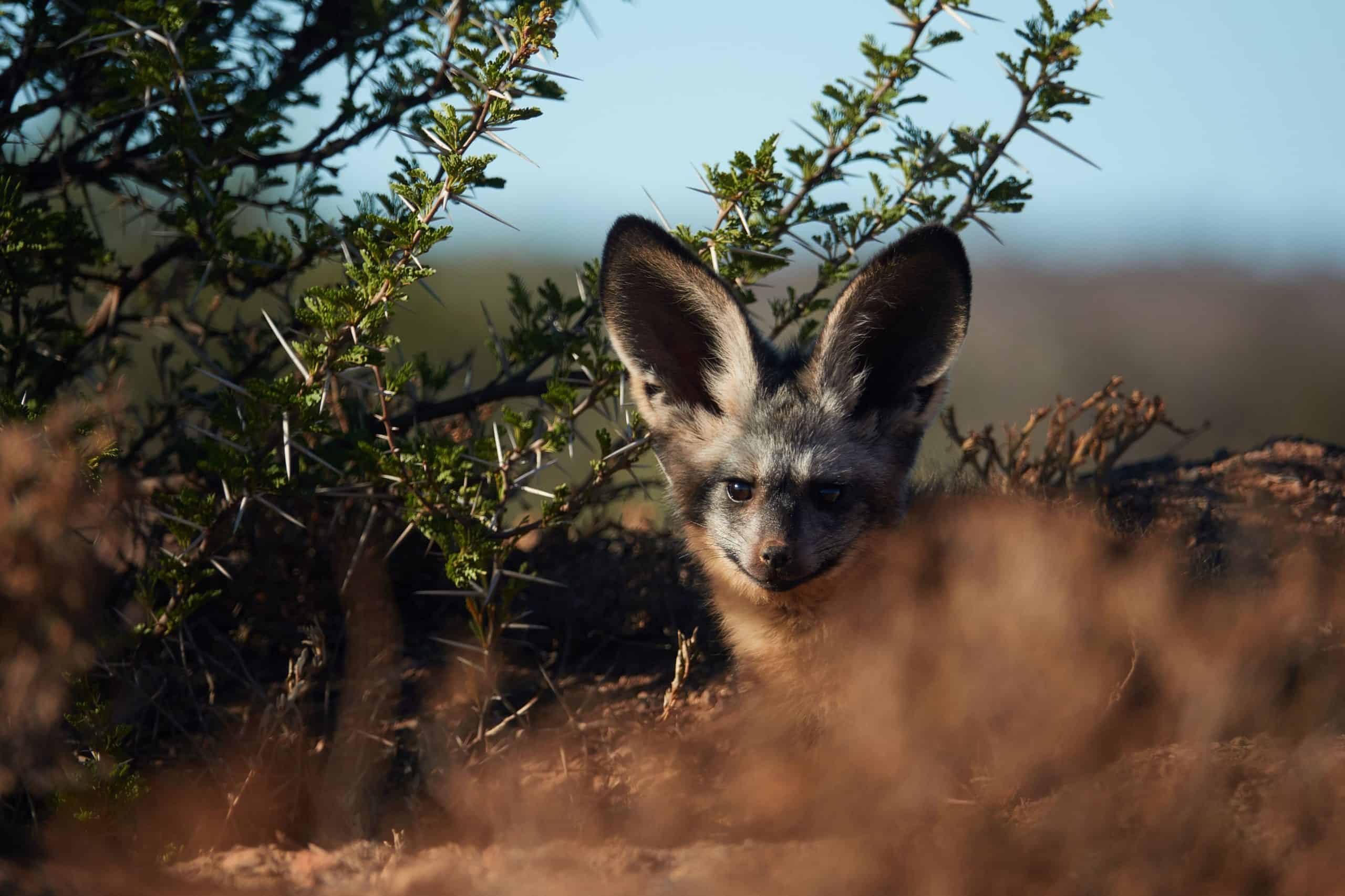
bat-eared-fox-pup-den-samara-karoo-eastern-cape-daviid-swanepoel

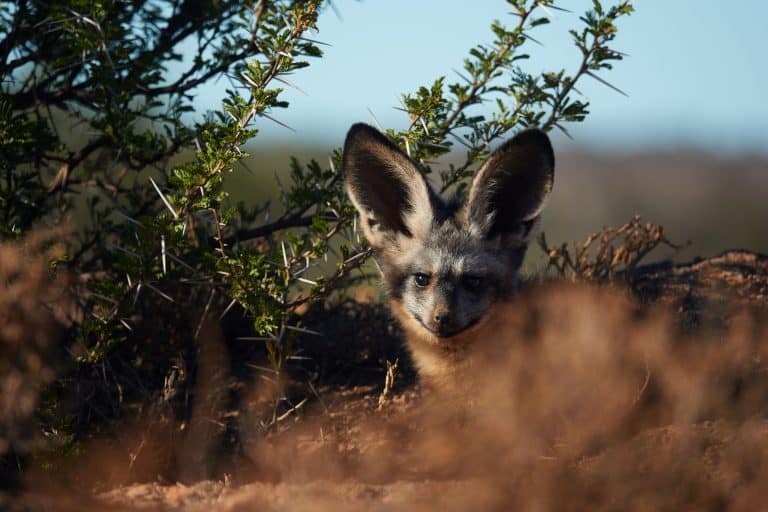
Bat-Eared Fox

Named for their oversized ears, bat-eared foxes are specialist insectivores, uniquely adapted to the open plains of the Karoo. Their acute hearing helps them locate beetles, termites and other invertebrates underground, while their large ears also assist with thermoregulation in this often harsh environment.

Mostly nocturnal, these elusive animals are a special sighting for the patient safari-goer. During the cooler months they are often spotted during daylight hours, foraging with heads tilted to the ground, ears twitching at the slightest rustle. Remarkably, they derive most of their moisture needs from the insects they consume – an essential adaptation for survival in arid landscapes.

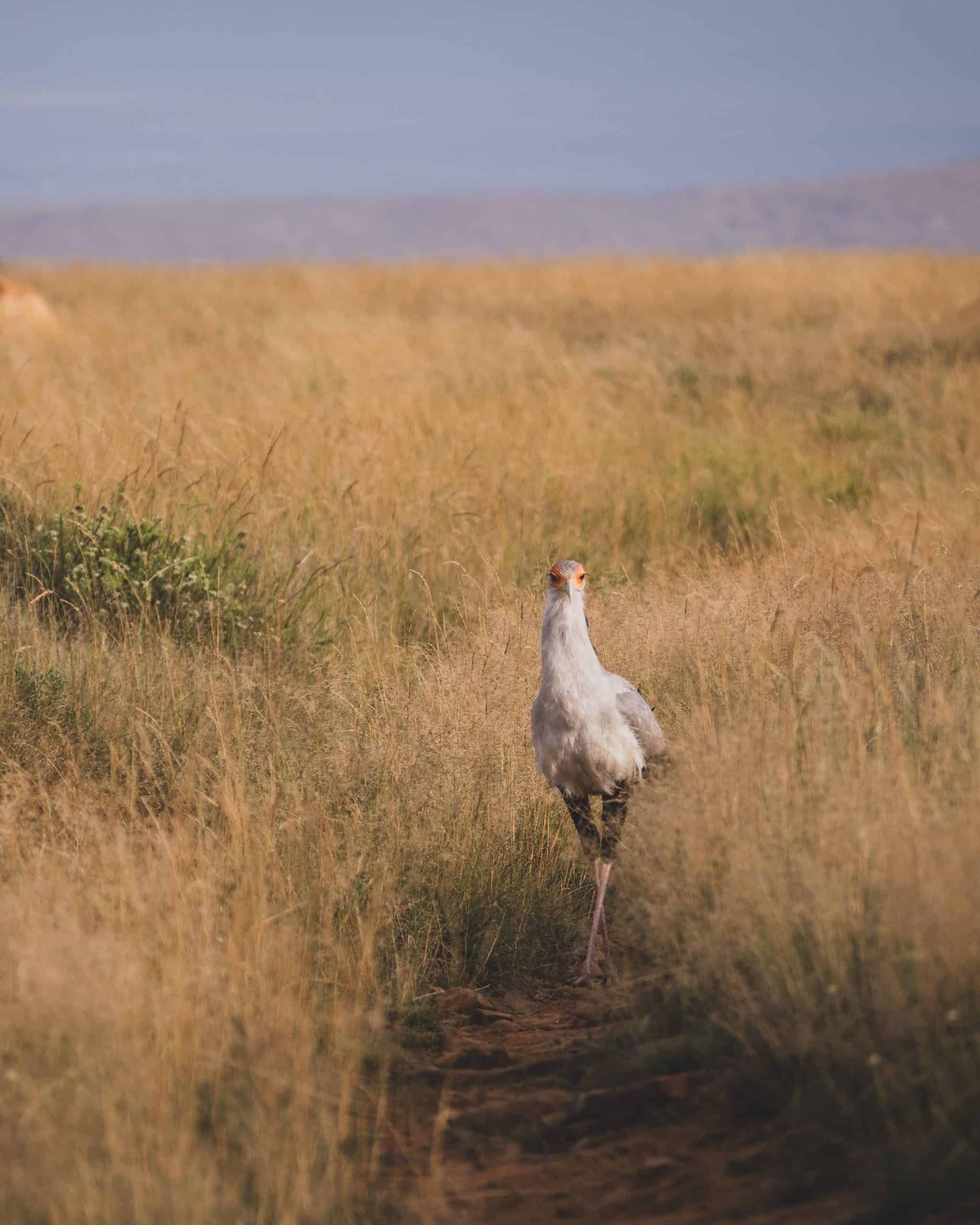
Secretary bird

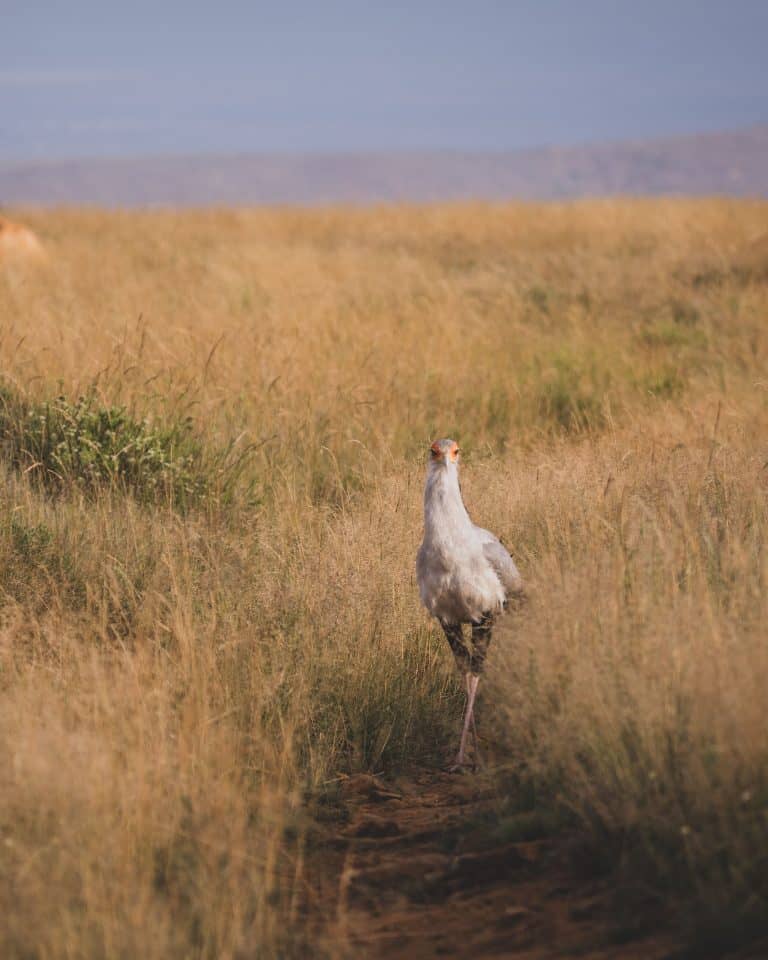
Secretary Bird

Tall, graceful and unmistakable, the secretary bird stalks the Karoo’s grasslands on long stilt-like legs. Renowned for their snake-hunting prowess, they dispatch their quarry with swift, crushing kicks. It’s a behaviour as dramatic as it is efficient.

Despite their raptor status, secretary birds hunt almost exclusively on foot, covering large distances with an unhurried, stately gait. Their feathered crest and quill-like head plumes earned them their name in colonial times, said to resemble a 19th century clerk with pens tucked behind his ear.

As the national emblem of South Africa, the secretary bird is featured on the country’s coat of arms, symbolising vigilance, protection and decisive action.

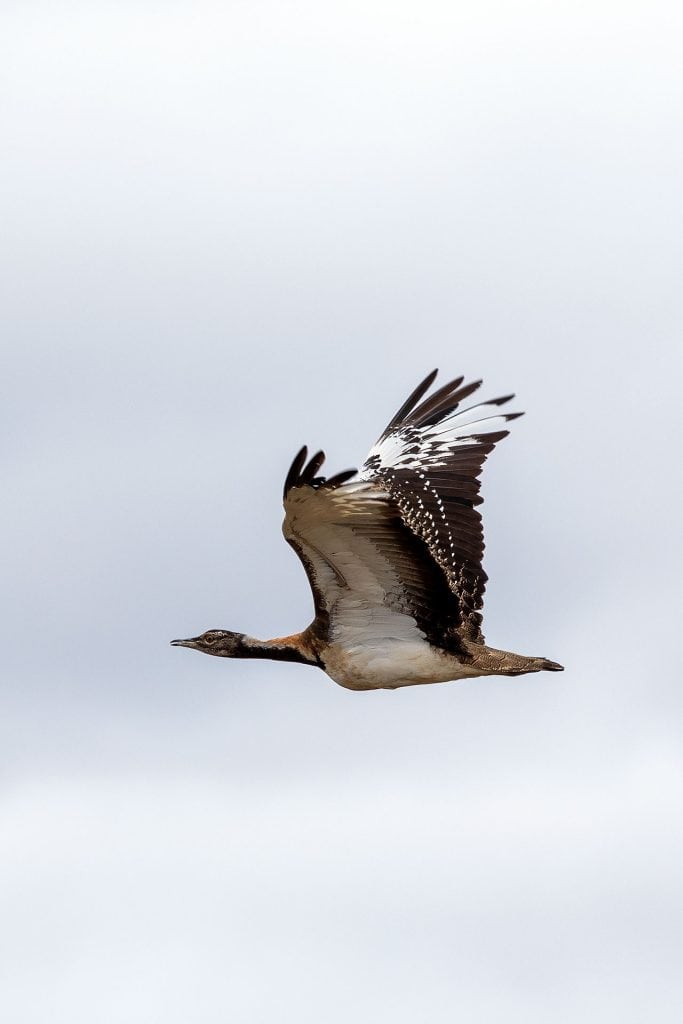
LudwigBustardFlying(2)_KathleenVanOppen

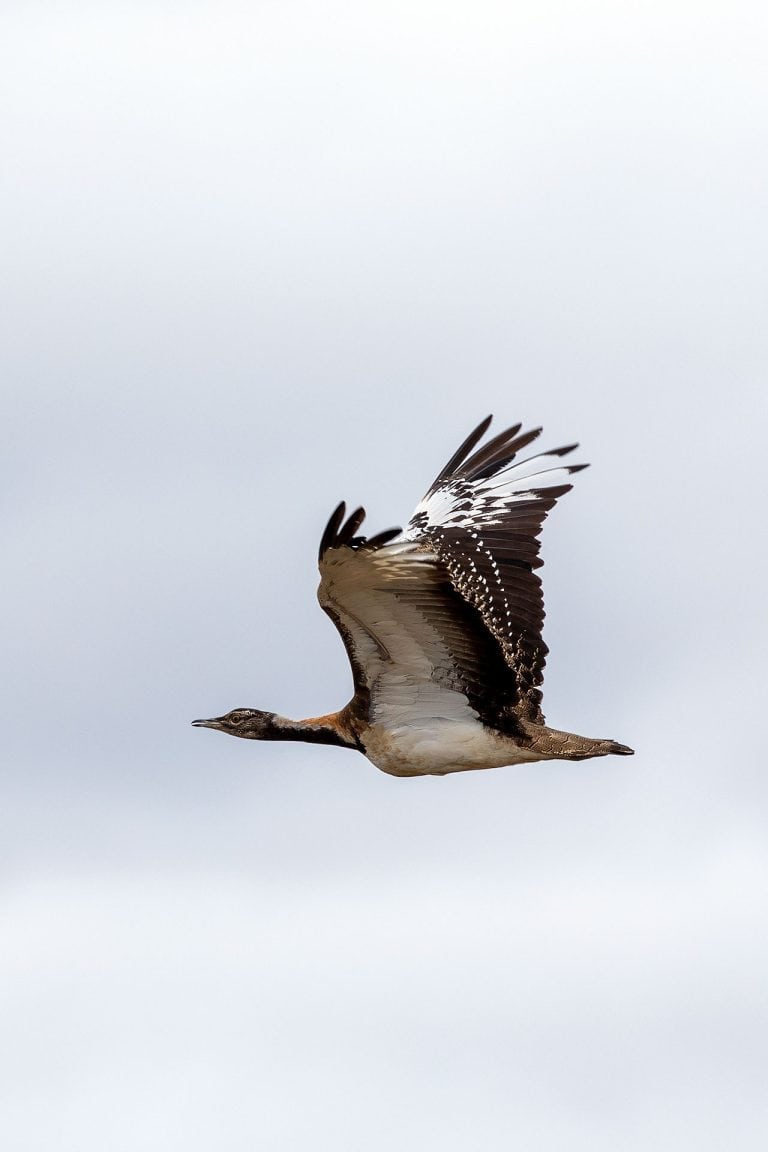
Ludwig's Bustard

A true grassland specialist, Ludwig’s bustard favours open, semi-arid habitats. With a total range of approximately 380,000 km², this elusive bird is nonetheless a rare sight, its conservation status listed as Endangered.

Males are known for their striking breeding displays, inflating their necks, raising white feathers, and letting out deep booming calls in an attempt to attract females to traditional courtship sites. Despite a current estimated population of over 100,000 in South Africa, Ludwig’s bustards face a serious and growing threat: powerline collisions. Due to a visual blind spot while flying, these birds struggle to detect overhead wires, resulting in an estimated 4,000 to 11,900 fatalities each year.

Every sighting at Samara serves as both a rare pleasure and a poignant reminder of the fragility of this unique species.

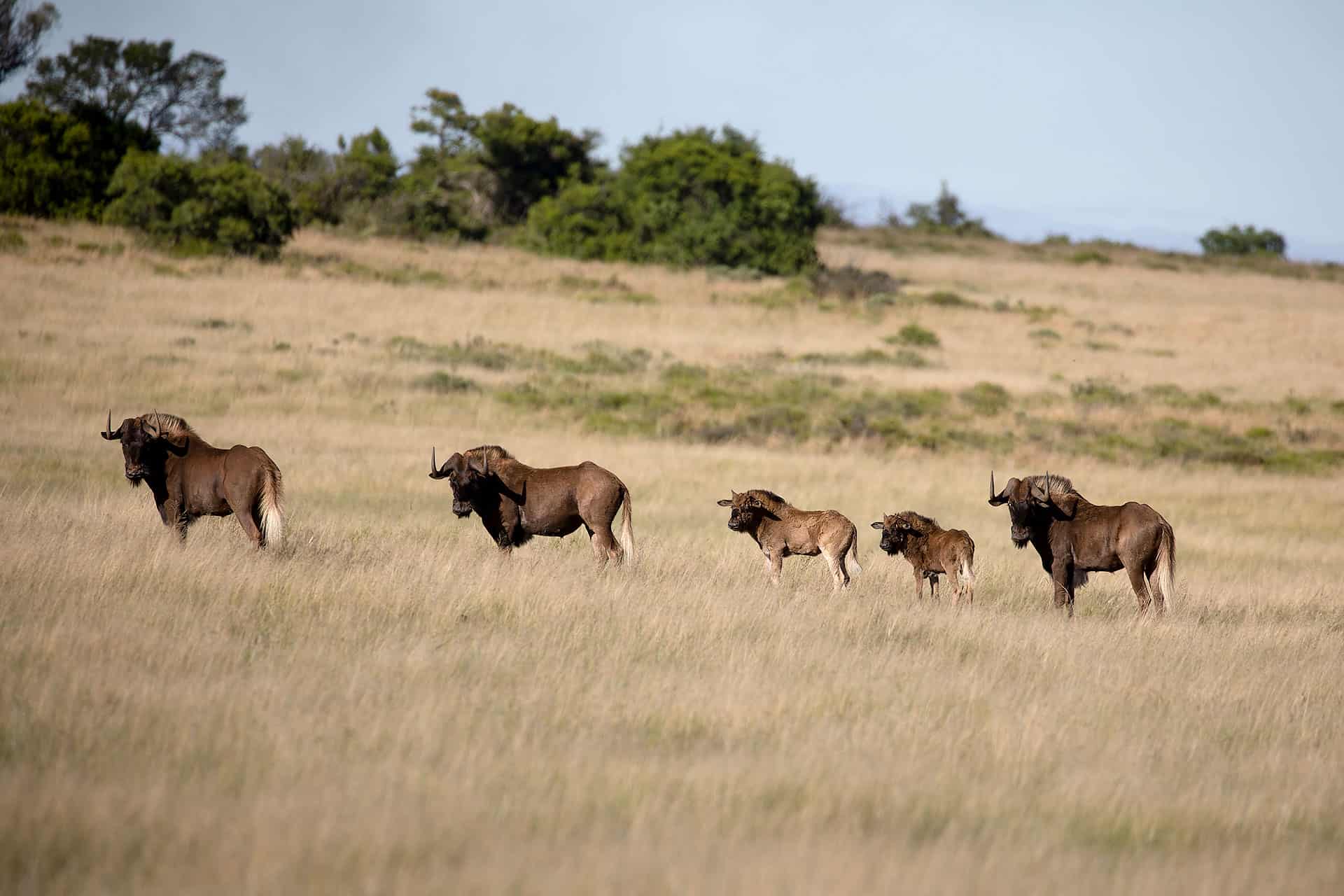
2A4A4839

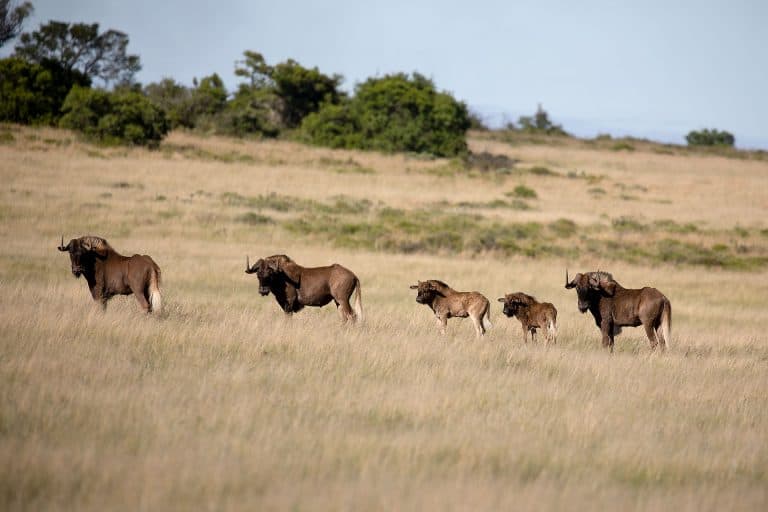
Black Wildebeest

Native to the open grasslands of southern Africa, the black wildebeest is a distinctive, hardy antelope species, instantly recognisable by its dark shaggy coat and long, horse-like white tail.

Historically, black wildebeest ranged seasonally across the Highveld grasslands, venturing into the semi-arid Karoo after summer rains and retreating to cooler pastures in the dry season. However, by the late 19th century, overhunting, along with perceptions of them as pests, drove the species to the brink of extinction. Thanks to dedicated conservation efforts healthy populations have since been restored. Today, the species is classified as Least Concern by the IUCN.

Once nearly lost, the black wildebeest’s return to the Karoo is a South African conservation success story.

Blesbok

Blesbok

Easily recognised by the bold white blaze running down its face, the blesbok is a striking antelope found nowhere else in the world. Endemic to South Africa, blesbok thrive in open, grassy habitats like the plateau grasslands found at Samara.

Hunted to near-extinction in the 1800s, the blesbok’s recovery is a conservation success story. Yet their continued survival depends on safeguarding habitat and maintaining genetic diversity. As stewards of their native range, we carry a responsibility to protect this uniquely South African species.

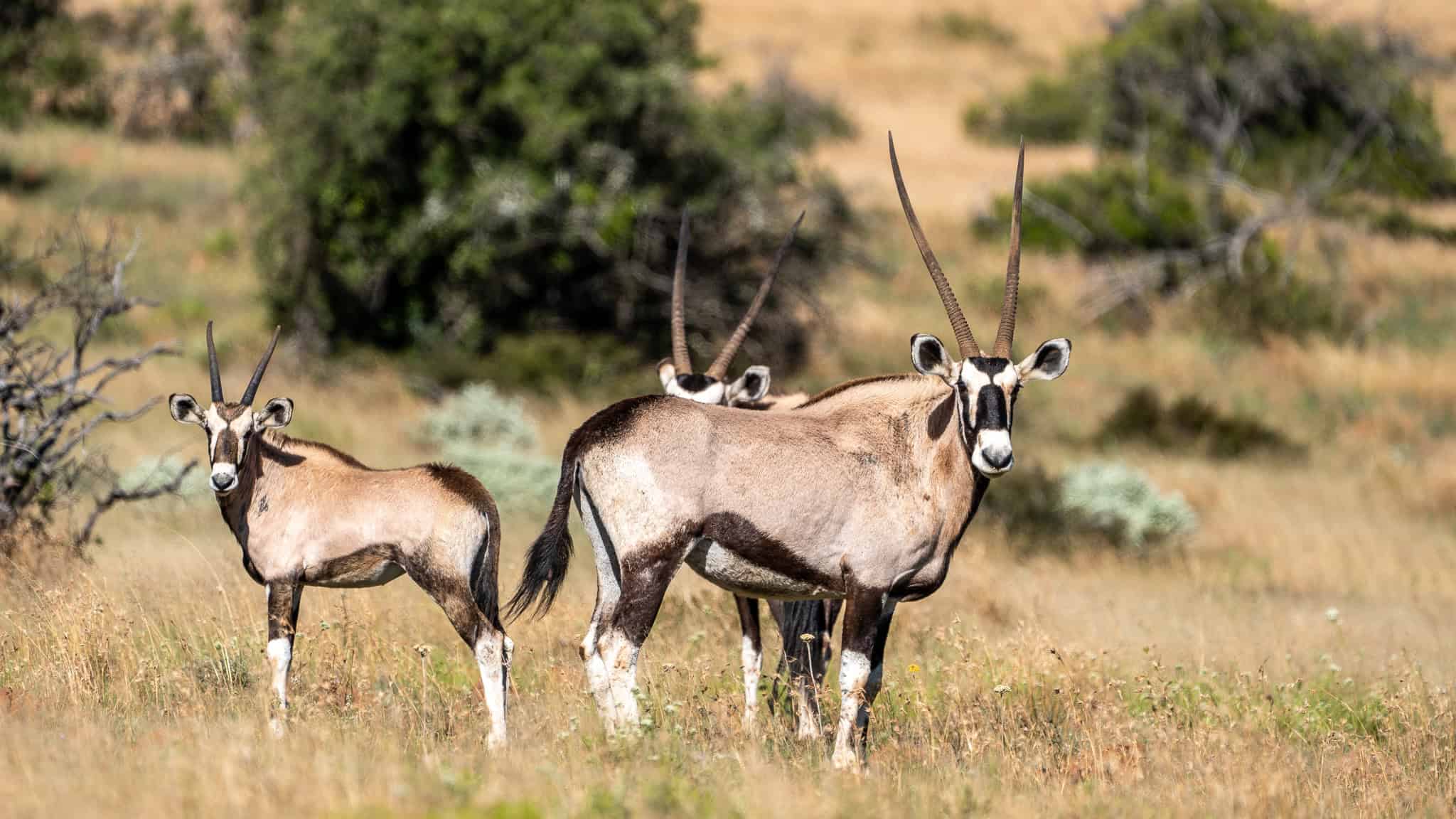
gemsbok-samara-karoo-reserve-marnus-ochse

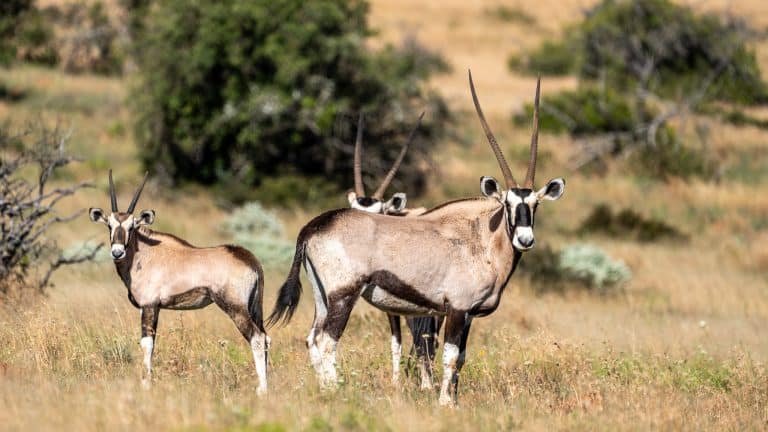
Gemsbok

With their striking black-and-white facial markings, long straight horns, and graceful build, gemsbok are among the most iconic antelope of southern Africa’s arid landscapes. Once widespread across much of southern Africa, habitat loss and fragmentation have reduced their distribution.

Gemsbok are true desert specialists, and can survive for days without drinking water, drawing sufficient moisture from the plants they consume. Typically grazing on grasses, they will shift to browsing shrubs and bushes during dry spells or when food is scarce.

A symbol of resilience and beauty in the harsh Karoo environment, the gemsbok is both a visual spectacle and a testament to Nature’s ability to thrive against the odds.

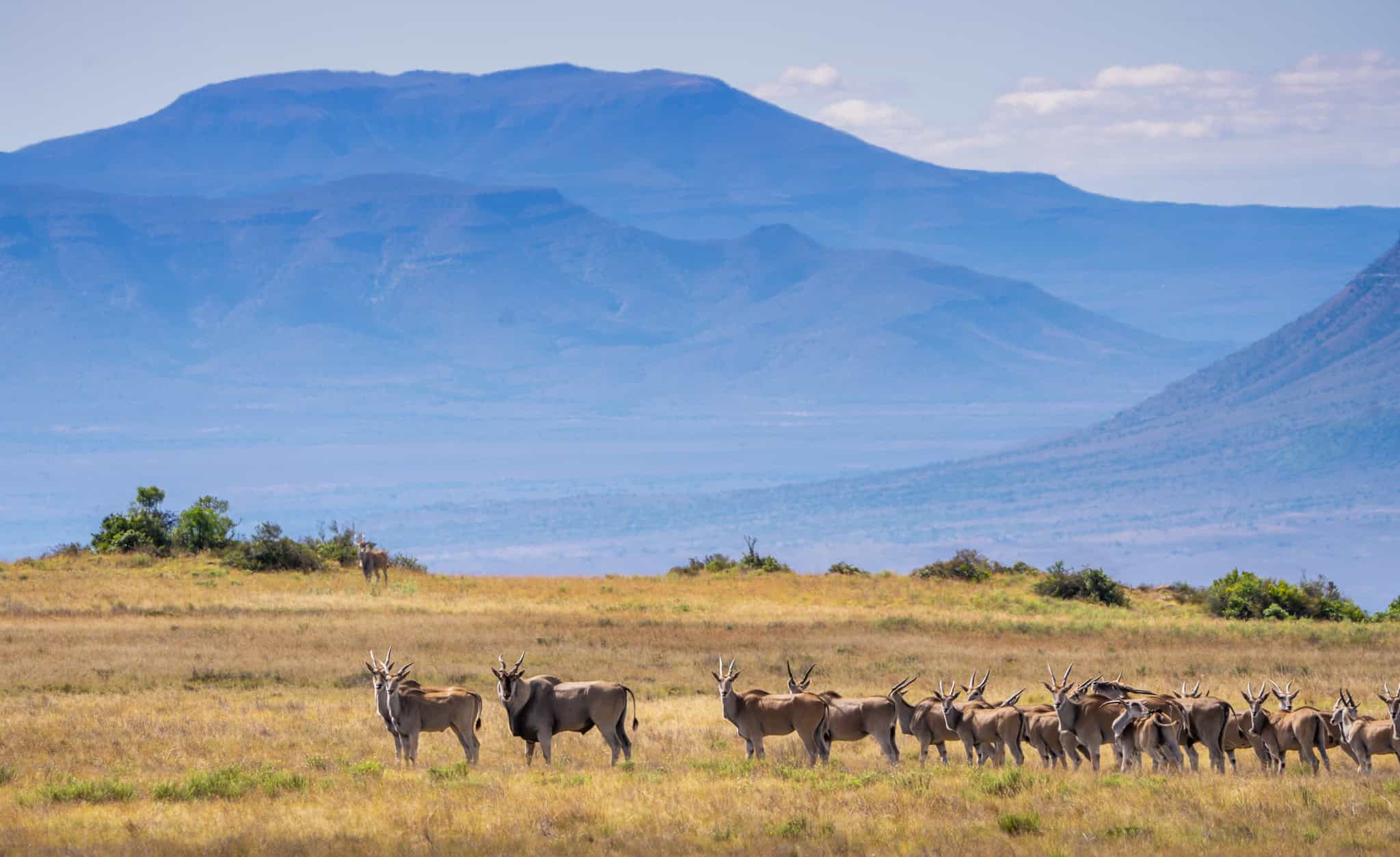
eland-mountain-landscape-marnus-ochse

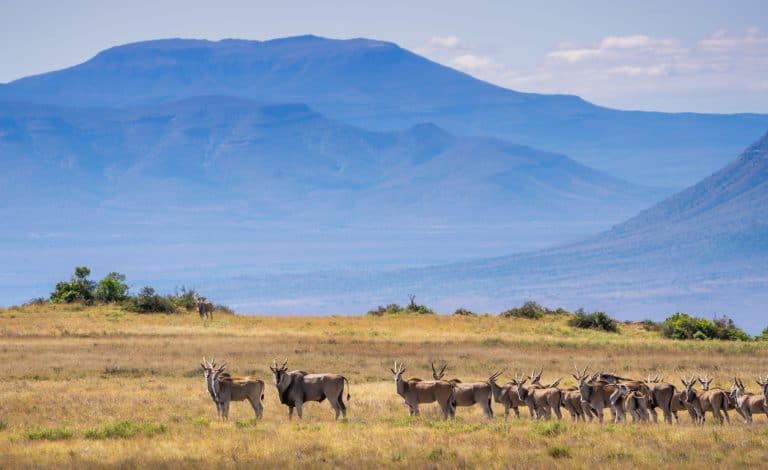
Eland

The largest of all antelope species, the eland is a gentle giant of the Karoo. Despite their impressive size these animals are remarkably agile, capable of jumping over two metres from a standstill. With their spiral horns, dewlaps, and soft tan coats marked by faint white stripes, eland are a majestic sight on the open plains.

Historically widespread across southern Africa, eland favour open grasslands, savannahs, and shrublands, making the Karoo an ideal habitat. They are highly adaptable feeders, grazing on grasses when available but switching to browsing during drier periods.

Once a staple in indigenous cultures for both spiritual significance and sustenance, the eland today remains a symbol of grace, strength, and survival in the Karoo wilderness.

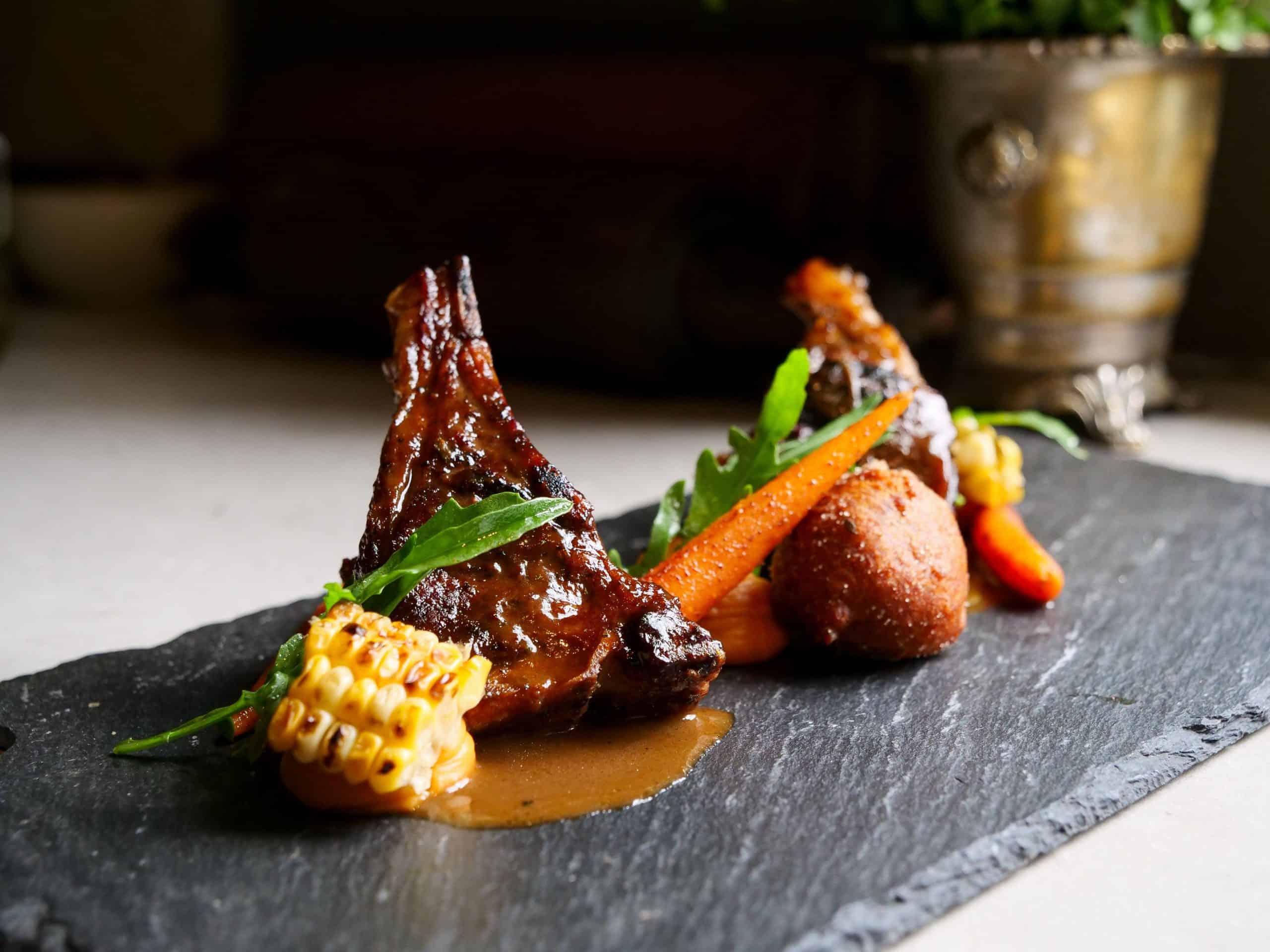
dinner-dish-karoo-lamb

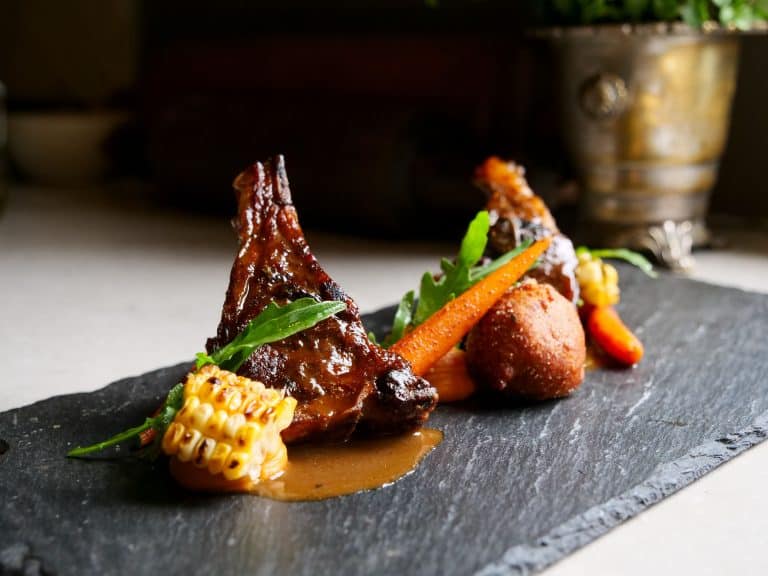
Food

Rooted in simplicity, seasonality, and deep cultural heritage, Karoo cuisine reflects the essence of the land itself — unpretentious yet full of flavour. At Samara, this culinary tradition is celebrated through a thoughtfully crafted menu that draws inspiration from the region’s pastoral legacy and diverse influences.

Dishes showcase locally-sourced ingredients from surrounding farms and artisanal producers, offering guests a true taste of place. From succulent Karoo lamb and fresh garden vegetables to homemade preserves and traditional baked goods — lovingly prepared each day by our talented chefs — each meal tells a story of connection to the land, the seasons, and the people who call this region home.

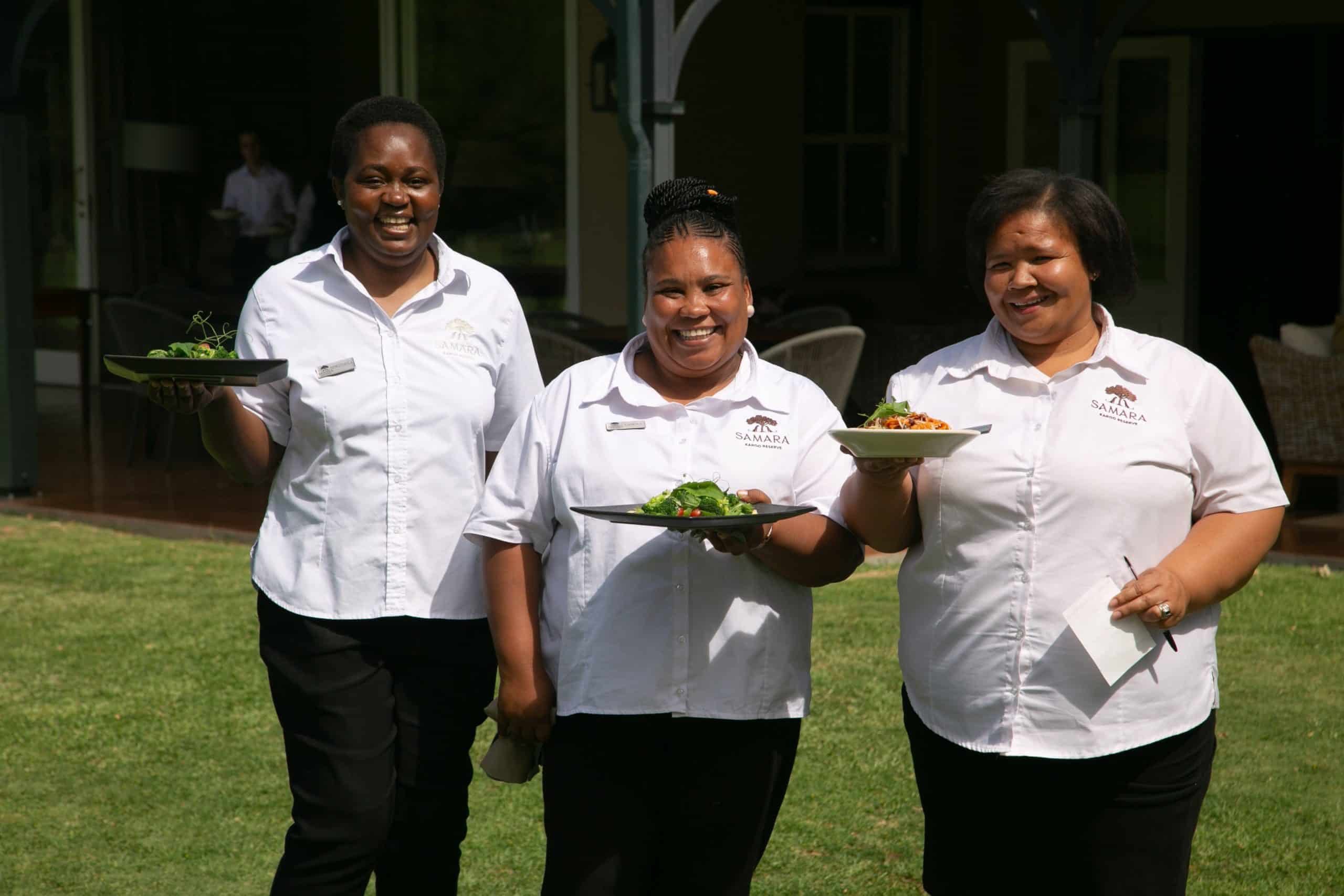
3M6A8687

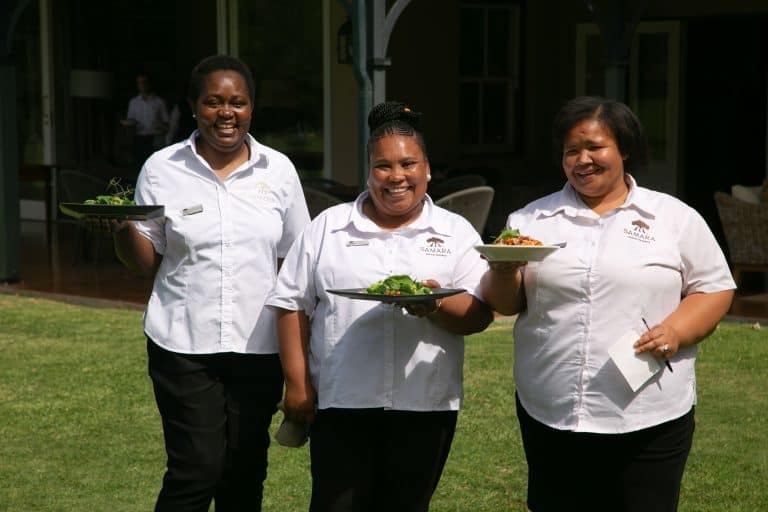
Friendly Faces of Samara

At the heart of every Samara stay are the warm, welcoming faces of our team — the people who turn a safari holiday into a truly unforgettable experience. Many of our staff members grew up in the surrounding communities, bringing with them not only a deep connection to the land but also a genuine sense of pride and hospitality that shines through in every interaction. Their knowledge, care, and attention to detail enhance each guest experience, whether it’s a perfectly prepared meal, a heartfelt conversation, or a beautifully turned-down bed after a long day in the bush.

For many, working at Samara means more than just a job — it’s a way to support their families and to uplift their communities through meaningful employment. It is this spirit of care and connection that makes Samara feel like home, even if just for a while.

Y1f5Oqro

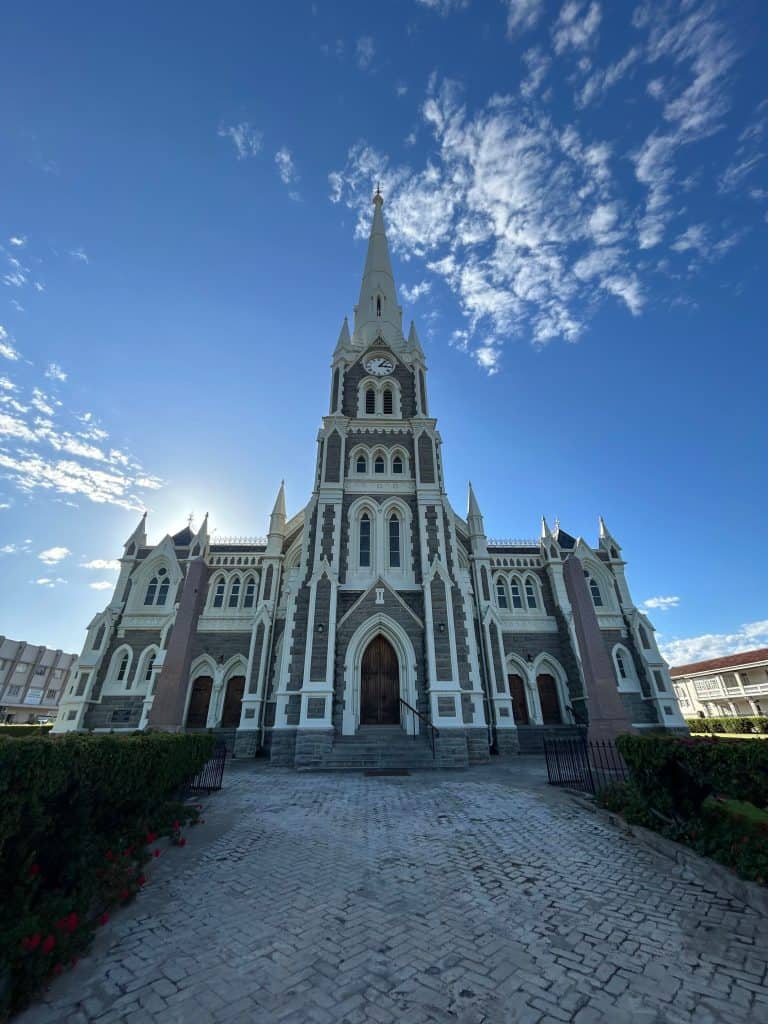
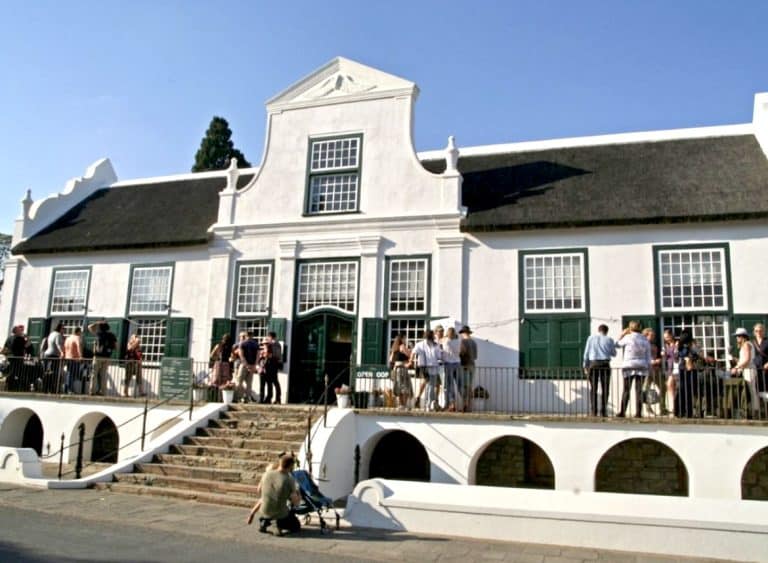
Graaff-Reinet's Cultural Treasures

Graaff-Reinet is a cultural hub where history, art and science meet. These highlights bring the town’s heritage to life.

Visit the Karoo Origins Fossil Centre for a deep-time journey through the region’s evolutionary past. Step into 18th-century life at the Reinet House Museum, once home to Reverend Andrew Murray.

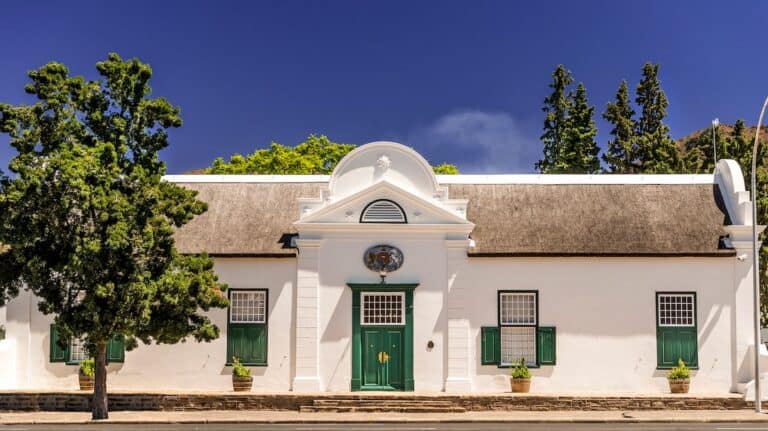
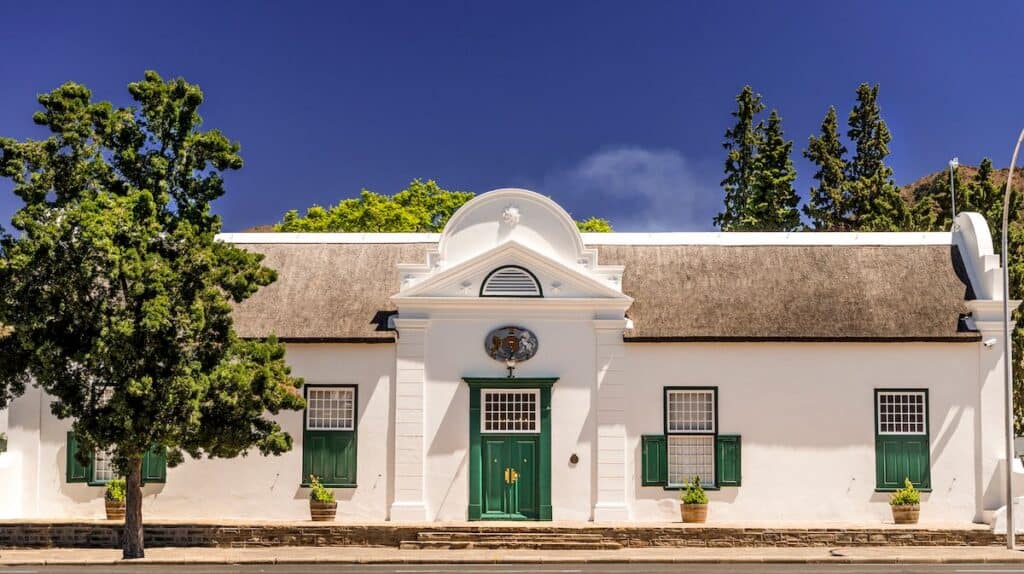
The Jan Rupert Art Museum, housed in a restored Victorian building, showcases rotating exhibitions of South African art. The NG Kerk (pictured), a striking Gothic church, anchors the town centre.

The Military History Museum reflects the region’s role in the Anglo-Boer War, whilst the more than 220 listed national monuments (more than any other town in South Africa) tell a rich Karoo story — cultural, creative and enduring.

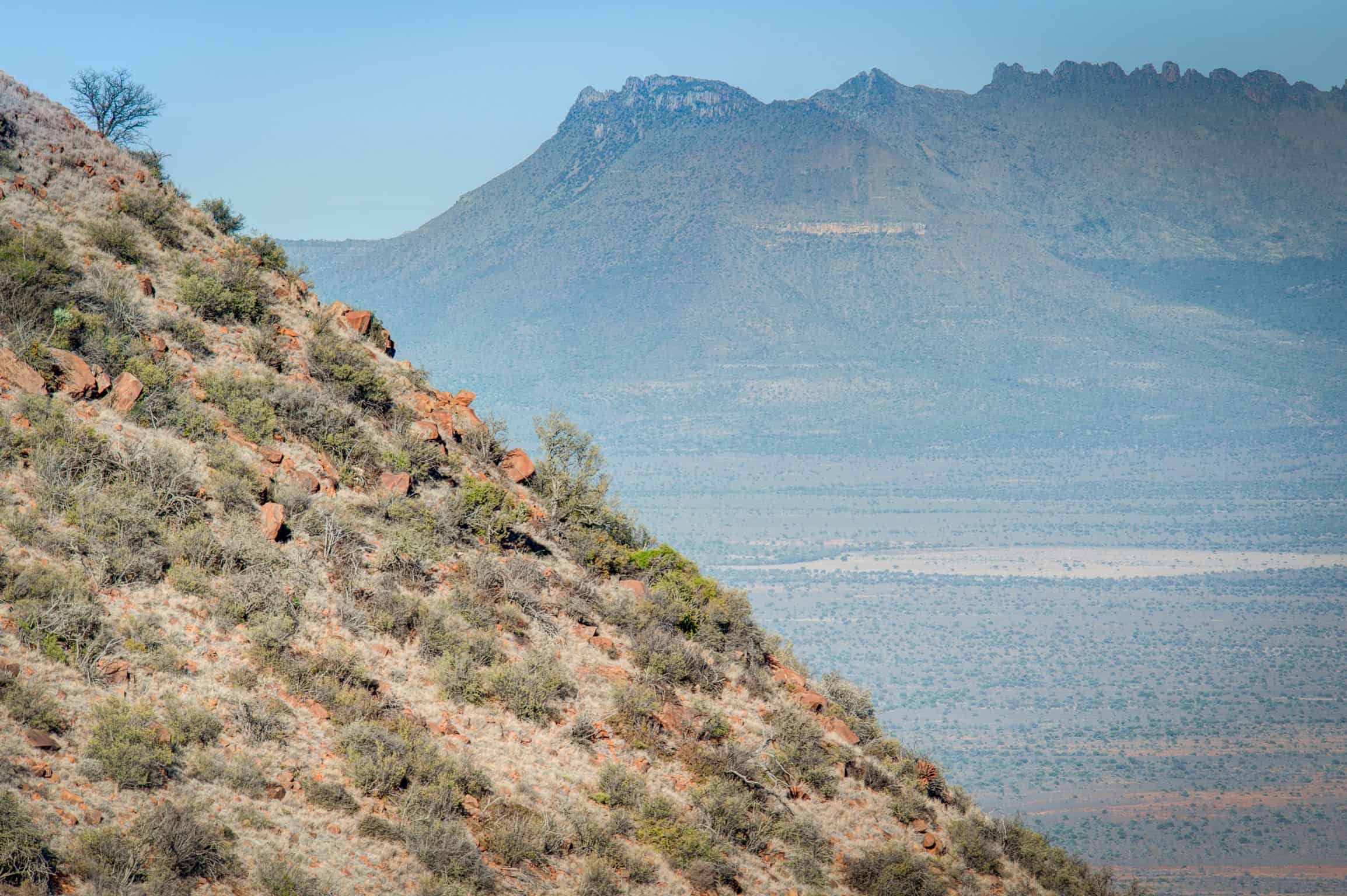
samara-mountains-view-karoo-south-africa-tandjiesberg

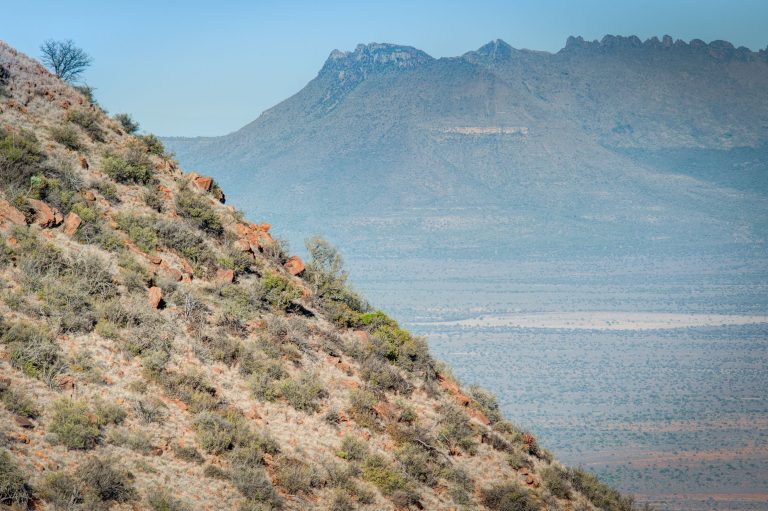
Jacob Hendrik Pierneef

One of South Africa’s most celebrated landscape artists, Jacob Hendrik Pierneef (1886-1957) was deeply inspired by the Karoo. The region’s vast spaces, stillness, and distinctive light shaped many of his most iconic works.

In paintings like Karoo K.P., he captured the muted glow of the plains and the stark geometry of dolerite-capped mountains — scenes that echo the view from Samara.

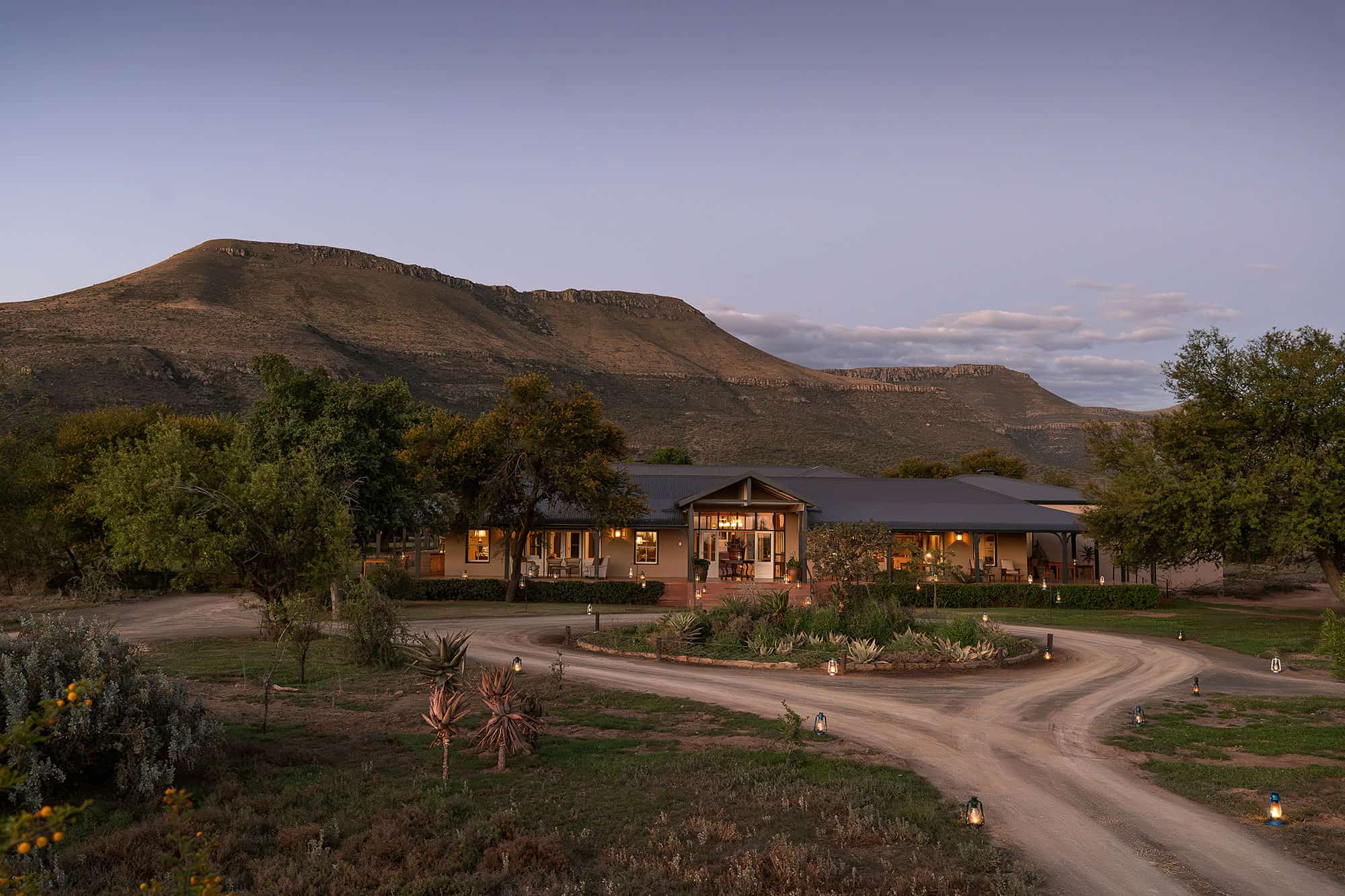
Samara-Karoo-Lodge-arrival-Maike-McNeill

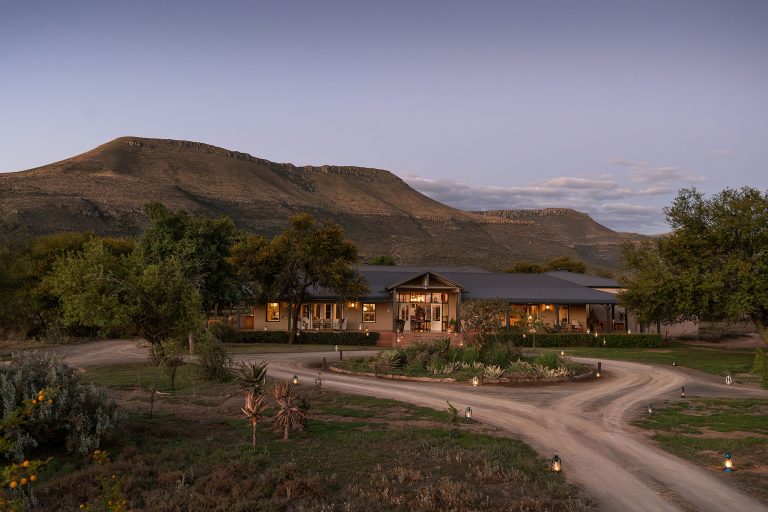
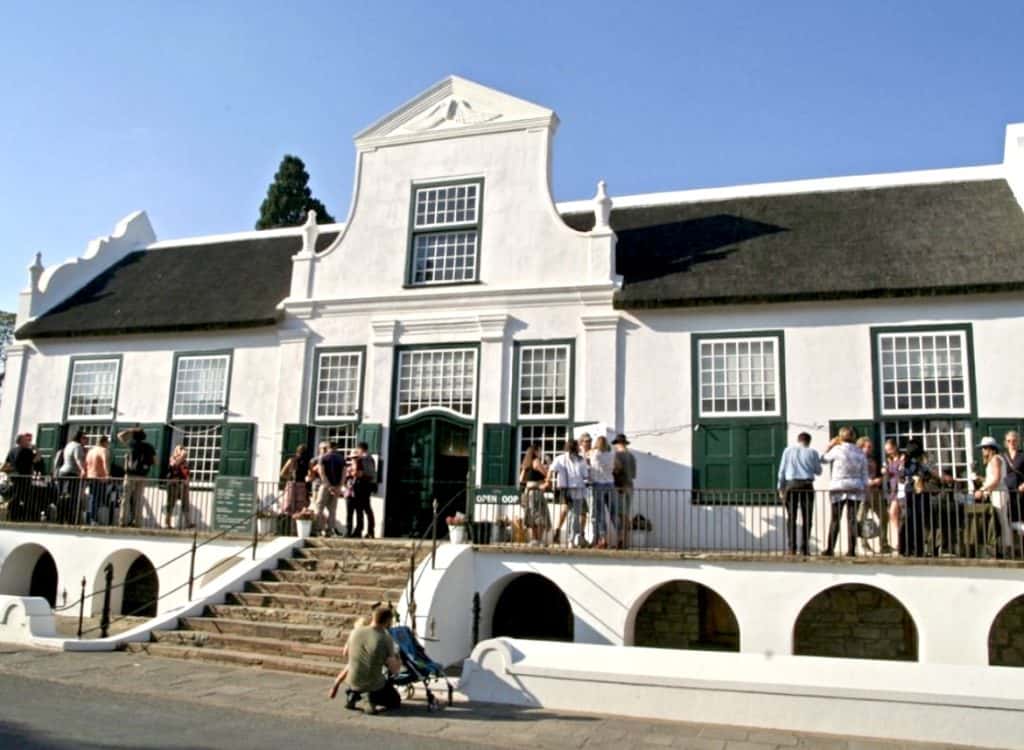
Karoo Architecture

Traditional Karoo architecture made use of locally available materials to build homesteads designed to withstand the harsh conditions of the Karoo. Thick walls kept interiors cool in summer and warm in winter, while wraparound verandas provided shade and outdoor living space. Sash windows, high ceilings, and symmetrical layouts reflected the Cape Dutch and Georgian influences of the early 19th century, later joined by Victorian flourishes.

At Samara, this heritage lives on in Karoo Lodge, a lovingly-restored former farmhouse that captures the essence of Karoo living. While the lodge has been modernised for comfort, its soul remains rooted in the past — with original architectural details preserved, antique furniture carefully curated, and a design ethos that honours the textures, tones, and tranquillity of the surrounding veld.

Voices of the Karoo (Placeholder)

Voices of the Karoo

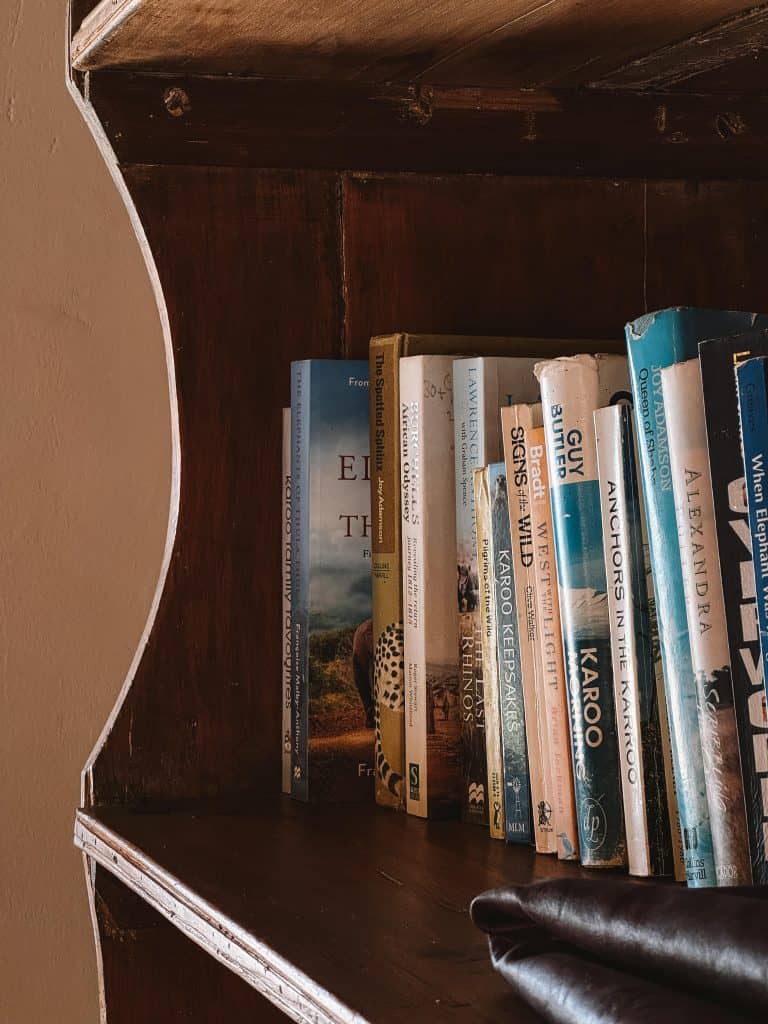
The Karoo has shaped, and been shaped by, some of South Africa’s most remarkable thinkers and writers.

Robert Sobukwe, born in Graaff-Reinet in 1924, was a key figure in the anti-apartheid movement. As founder of the Pan Africanist Congress, he championed African self-determination with unwavering conviction.

Eve Palmer, whose “The Plains of Camdeboo” remains a seminal work, captured the soul of the region in prose that is both intimate and enduring, writing about the farm Cranemere which shares a border with Samara. Her work helped shape a modern appreciation for the Karoo’s natural and cultural heritage.

Olive Schreiner, author of “The Story of an African Farm” set on a farm near Cradock, was a bold feminist voice ahead of her time. Her writing challenged the norms of her era and reflected a deep connection to the Karoo.

Screenshot

Stoep Tasting Festival

Each year in May, Graaff-Reinet transforms into a celebration of local flavour, community and Karoo hospitality. The Stoep Tasting Wine Weekends invite visitors to explore South Africa’s rich wine culture — from bold reds to crisp whites, craft gins and artisanal bites — all enjoyed on the town’s historic stoeps.

Set against a backdrop of heritage buildings and wide Karoo skies, the festival offers an authentic taste of place. It’s wine tasting, Karoo style — laid-back, generous and full of character.

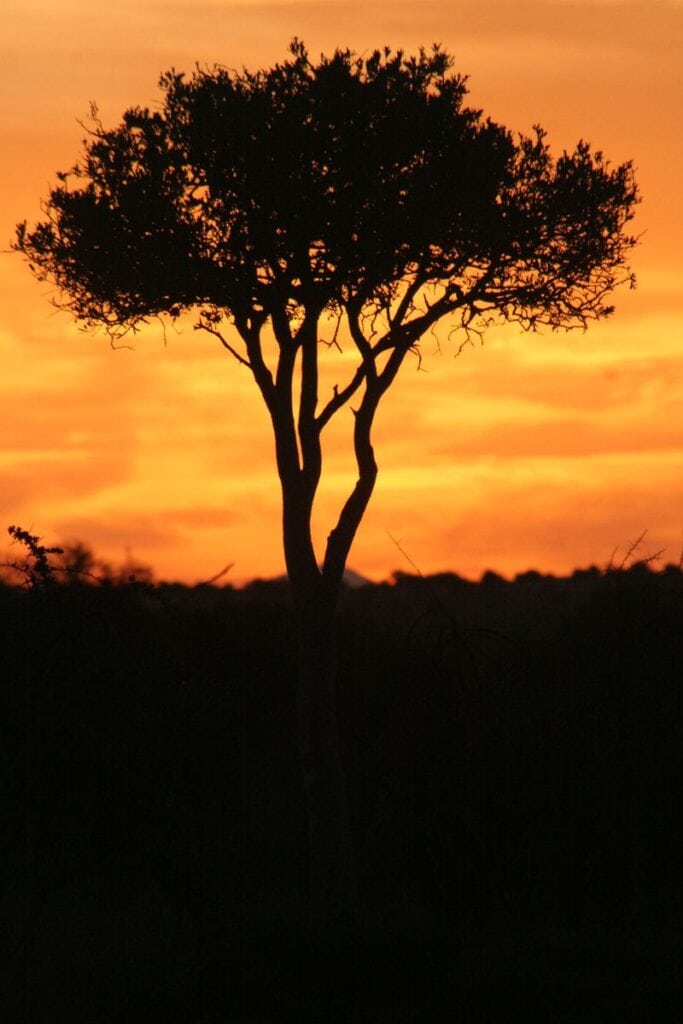
Karoo_Tree

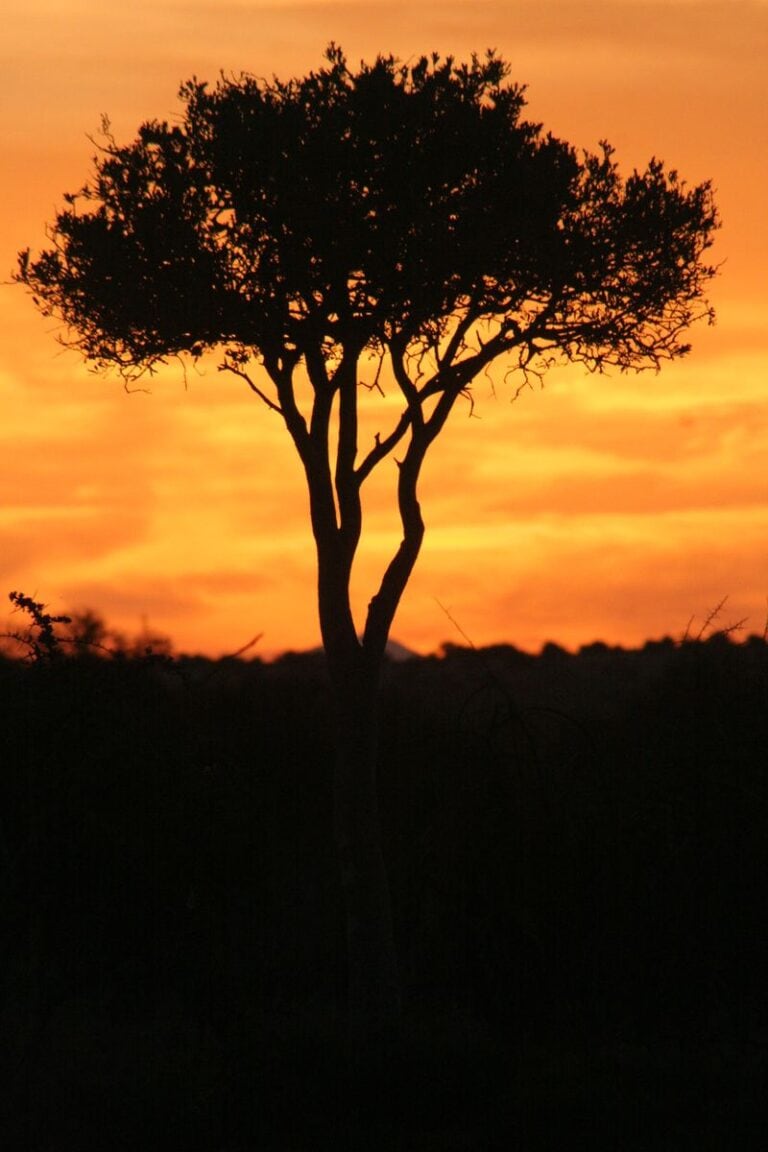
Shepherd Tree

The Karoo shepherd tree (Boscia oleoides) is the iconic tree in Samara’s logo. For centuries it has been used by shepherds as a shelter of choice while guarding their livestock in the hot sun. The Afrikaans name “Witgatboom” fittingly refers to the tree’s conspicuous white trunk, which can easily be spotted when meandering through the veld.

In times gone by, shepherd tree roots were pounded to make porridge and a chicory-style coffee substitute, as well as a kind of beer. An infusion of the leaves was used to treat eye infections in cattle, whilst household utensils were once made from the wood.

Samara is home to some ancient shepherd trees, including one that has been aged at 800 years and counting.

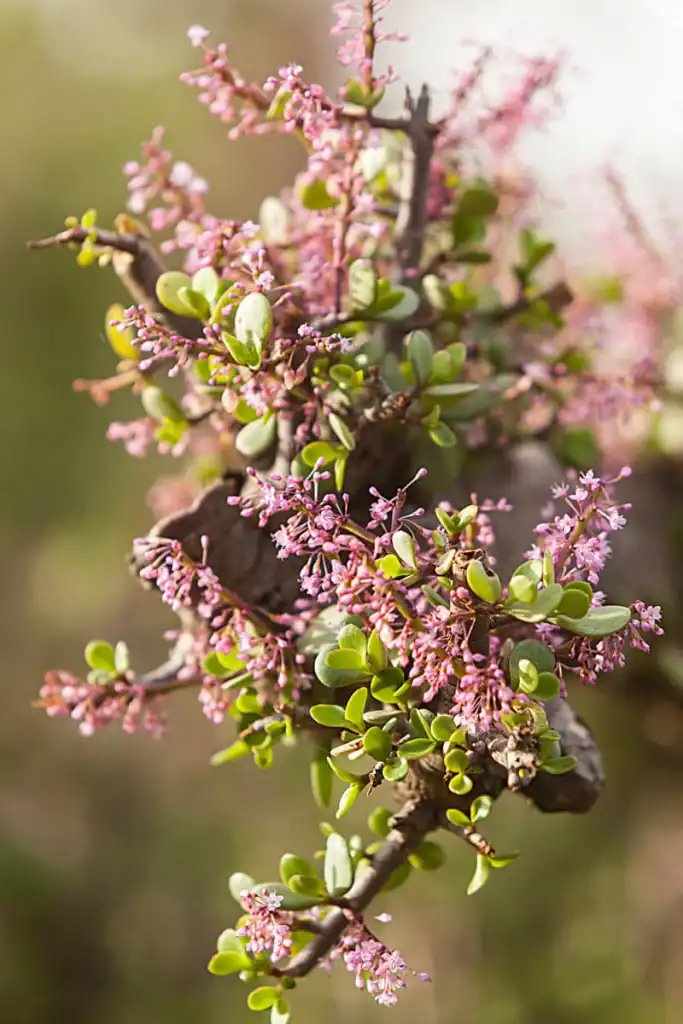
spekboom

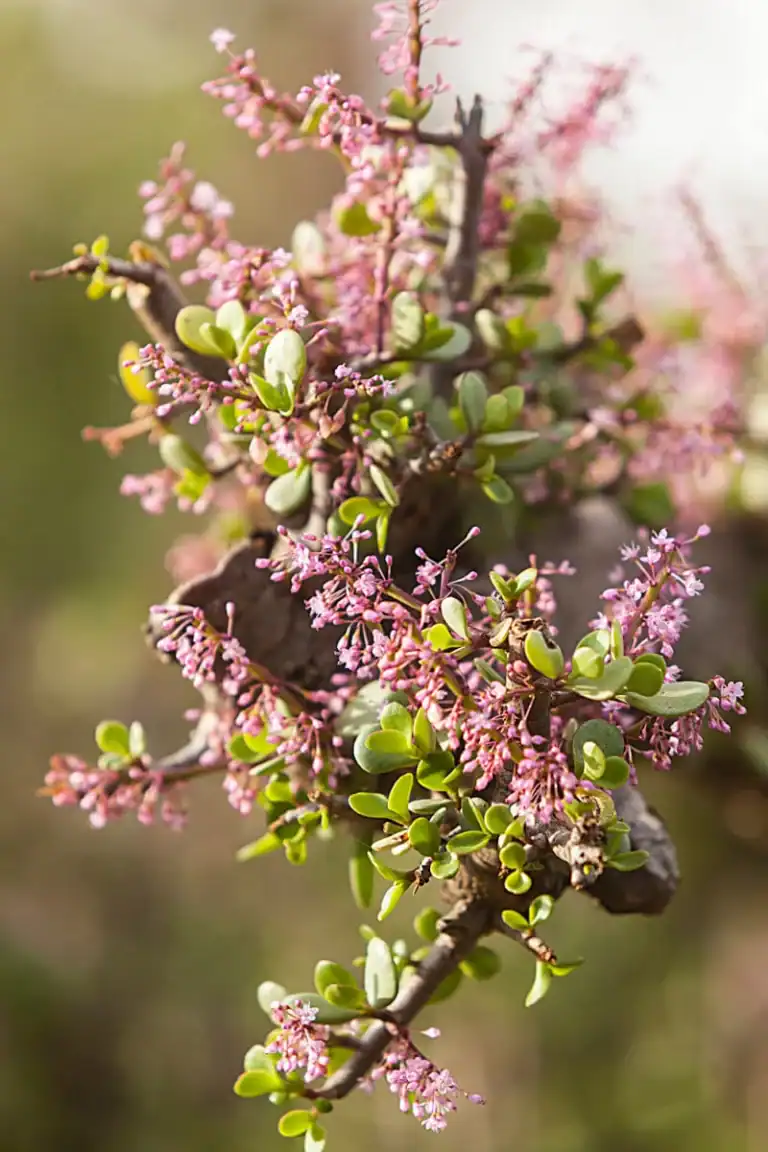
Spekboom

Spekboom (Portulacaria afra) is a hardy succulent plant which can be found across the north-facing slopes of the Karoo. It is a favoured plant for land restoration projects due to its soil binding qualities and carbon sequestration potential. In ideal conditions, intact Spekboom thicket is said to rival the carbon sequestration of the Amazon rainforest.

Samara engages in land restoration through Spekboom planting in order to revitalise areas damaged by previous livestock overgrazing. In 2024, the Samara team planted 3,000 Spekboom cuttings.

Spekboom is a favoured food of kudu, eland and elephants – and is tasty in a salad!

Karoo_Flowers

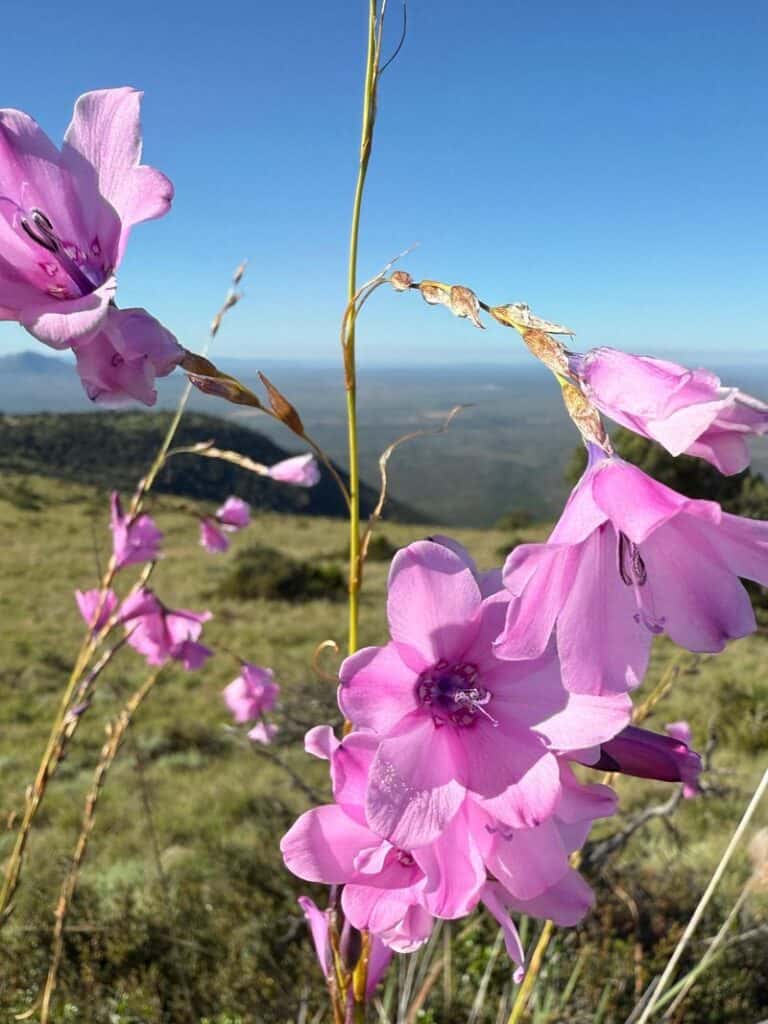
Sneeuberg Centre for Endemism

The Sneeuberg mountain range is home to 33 plants found nowhere else on Earth – highlighting the region’s global importance for unique plant life.

The flower pictured is the Fairy Bell (Dierama grandiflorum). Found in just a handful of places between Graaff-Reinet and Somerset East, this rare wildflower’s presence signals healthy mountain soils and clean water.

Karoo_Bush Walk

Medicinal Plants

Many medicinal plants can be found across the Karoo – if you know where to look. Plants have been in our medicine chest since the dawn of time, the chemical compounds they produce being applied to myriad different uses, from coughs and colds to burn wounds.

A recent survey on Samara identified 128 medicinal plants on the reserve, from the bitter aloe to the wild cucumber and the kapokbos.

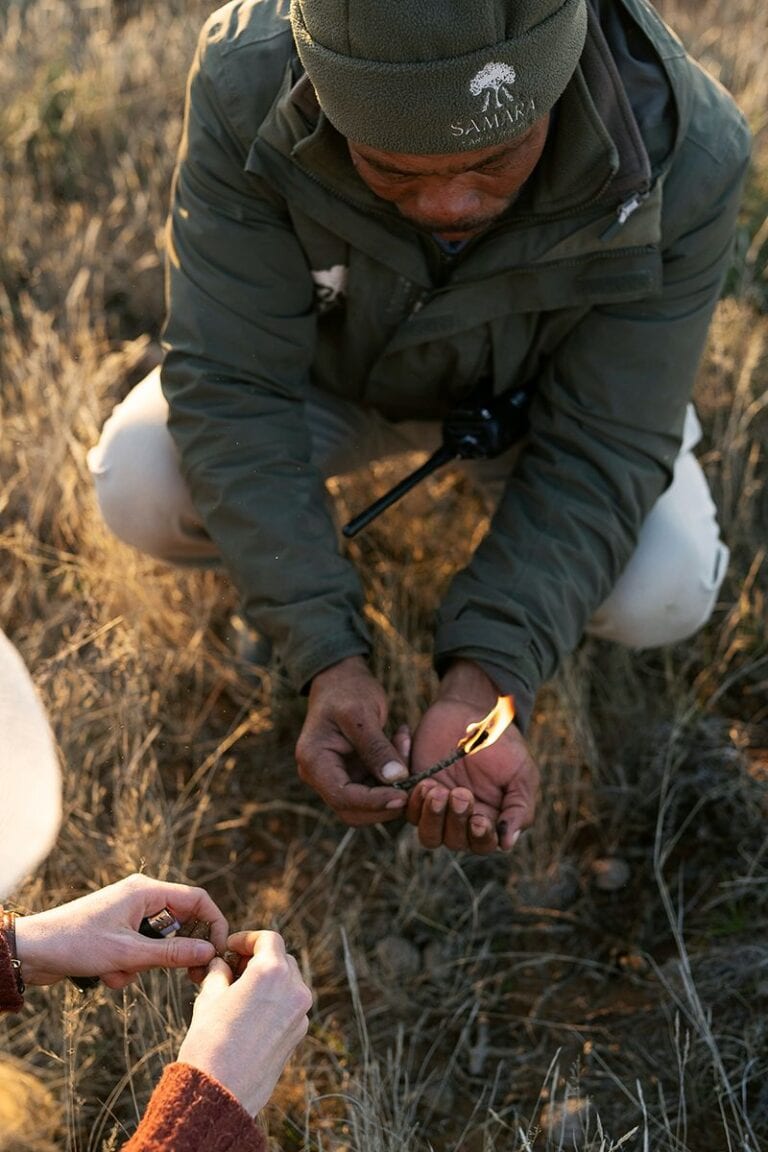
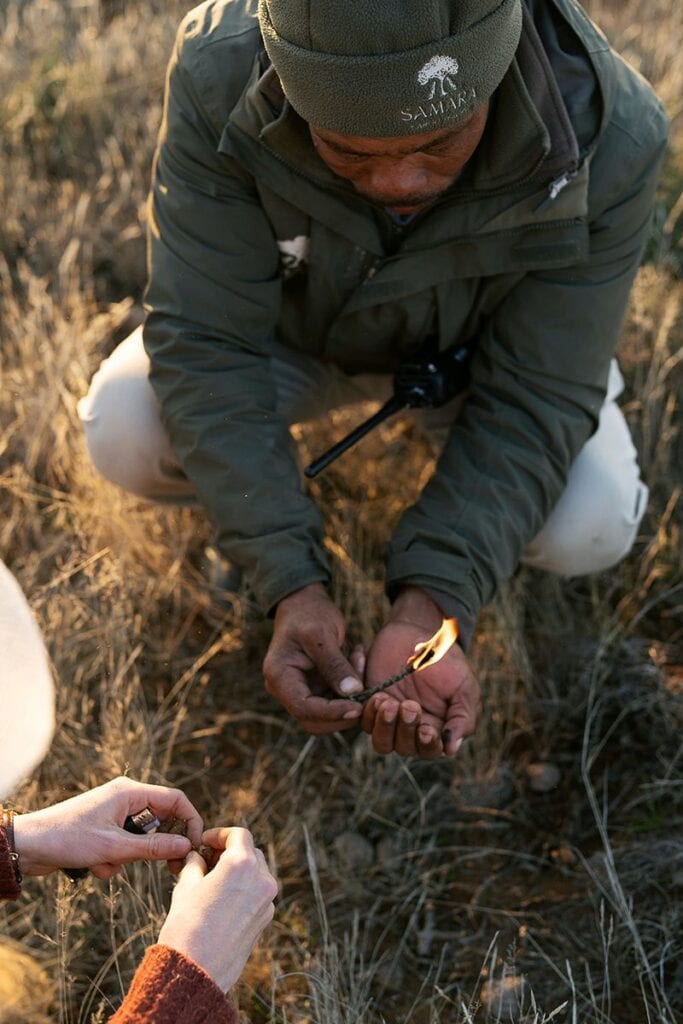
Other plants have non-medicinal but nevertheless useful applications. Pictured is the kersbos, a stunted spiny plant that grows naturally in Samara’s low-lying plains. It contains a resin that makes it flammable enough to be used as an effective firelighter.

cheetah-rock-art-samara-karoo-reserve

San Rock Art

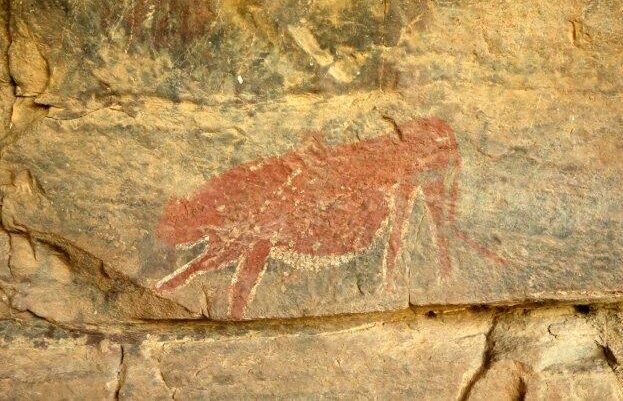
Evidence of hunter-gatherer San culture abounds in the Karoo in the form of paintings and rock engravings. This artwork offers an insight into the beliefs, rituals and spiritual experiences of the San people.

A rock shelter on Samara contains rock paintings including fine line art attributed by experts to San people. One of the artworks is of a feline, likely a cheetah – fitting when one considers Samara’s cheetah conservation success!

Karoo_Rock art

Fossils

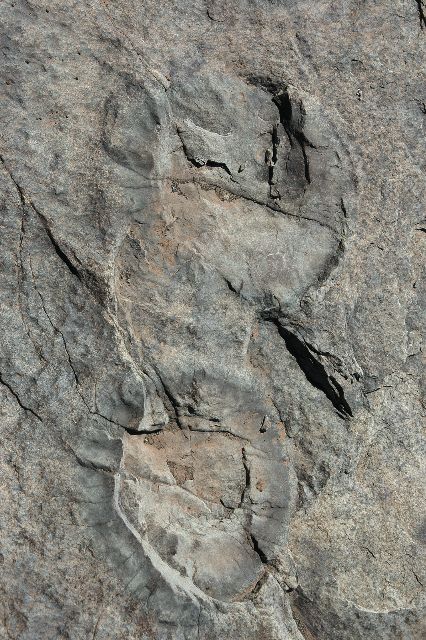
The history of the Karoo spans around 300 million years – originally an inland sea, it transformed first into a swamp and then into a semi-desert. The region is well-known for its fossil record, specifically of therapsids – mammal-like reptiles – which are key to our own evolution as humans. One such fossil, a Dicynodont, has been discovered at Samara. It is estimated to be 253 million years old.

A new palaeontological centre charting the rich fossil history of the Karoo is now open in Graaff-Reinet. The Karoo Origins Fossil Centre houses the priceless and world-famous Rubidge fossil collection – gathered throughout the Karoo almost a century ago.

Karoo_Graafreinet

Graaff-Reinet

Nestled in a horseshoe bend of the Sundays River, Graaff-Reinet was established in 1786, making it the 4th oldest magisterial district in the country. Briefly an independent republic, it was also one of the starting points of the Great Trek. Its carefully-preserved heritage is reflected in the 220 listed national monuments that dot the town, including classic examples of Karoo, Victorian and Cape Dutch architecture.

Today the charming town’s streets are lined with jacaranda trees, coffee shops and small businesses, yet they remain wide enough for two oxwagons to pass by one another – just in case.

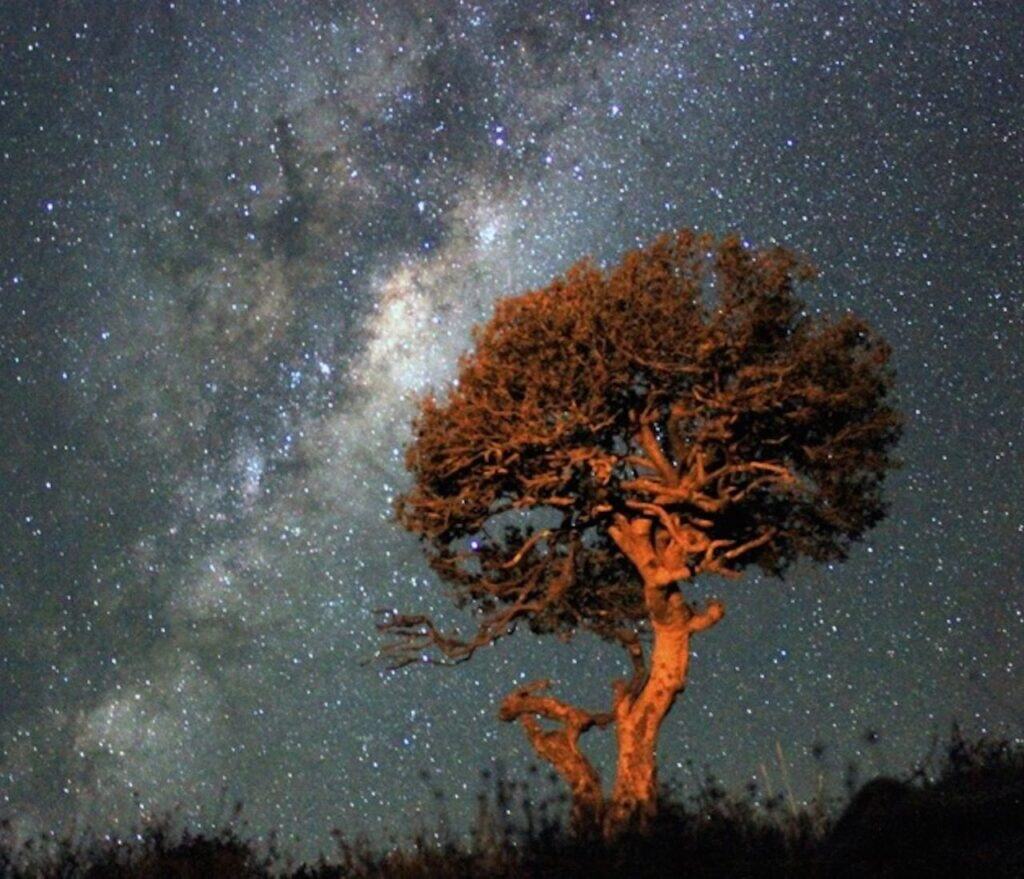
Karoo_Stars

Stargazing

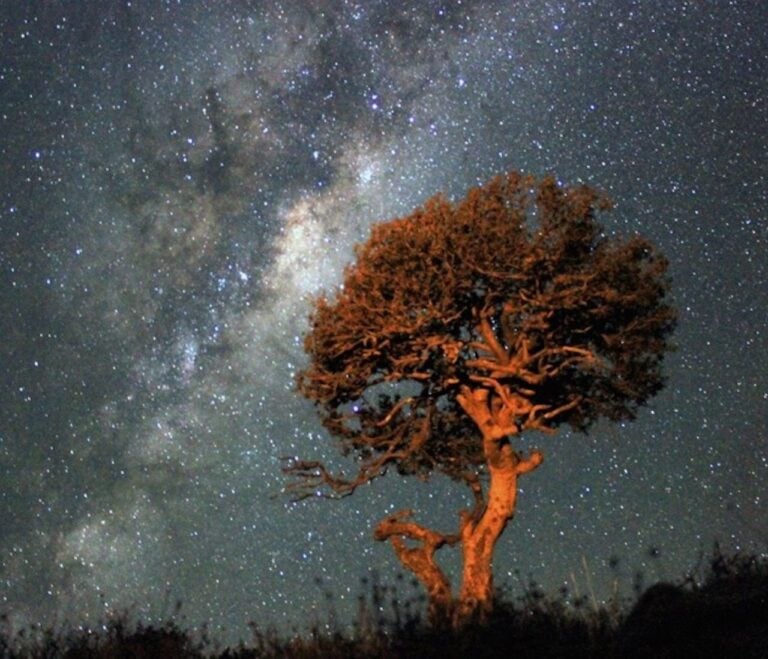
One of the darkest places on Earth, the Karoo night skies are something to behold. On a clear night the Milky Way extends like a canopy from horizon to horizon, with the stars so close that you could almost reach out and touch them.

The San people who lived in the Karoo spoke of being “children of the stars”, and gazing up at the multitude of pinpricks of light, it is easy to comprehend their awe.

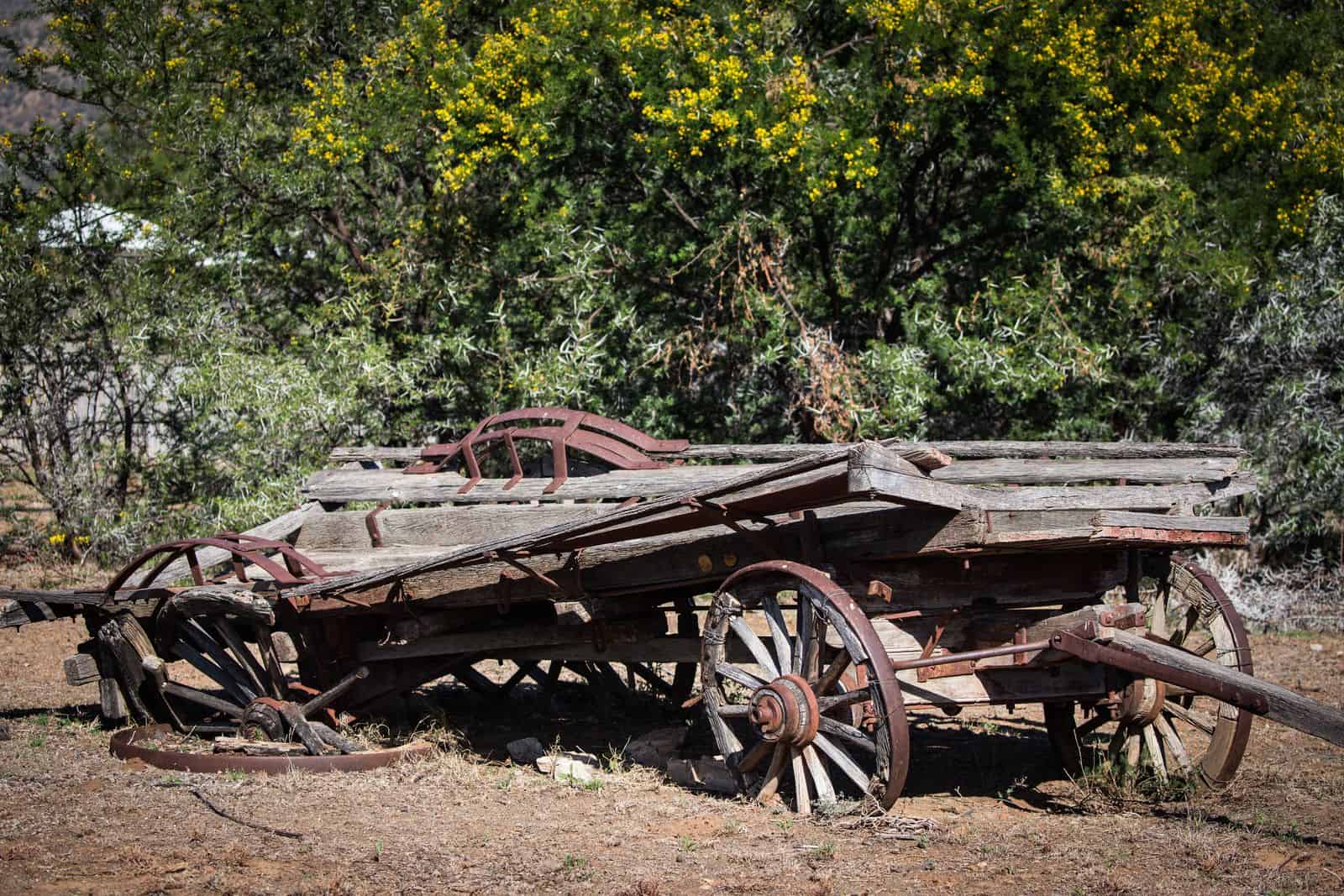
Karoo_Wagon

Explorers and oxwagons

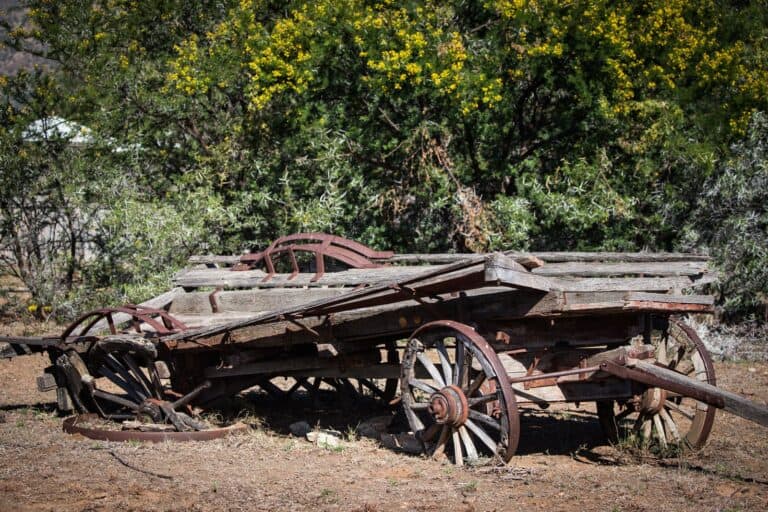
Throughout the 18th and 19th centuries, European explorers set out to discover more about the Great Karoo – known as the “Place of Great Dryness”. Sent on reconnaissance missions by authorities in the Cape, many colourful characters passed through the Karoo, mostly hugging the more temperate mountain ranges rather than braving the arid flat plains.

François Le Vaillant, a young French ornithologist, camped on the southern section of Samara. Something of an eccentric, he journeyed with a tame baboon called Kees, who acted as companion and “taster” of all unknown foods. He also owned a cockerel which served as his alarm clock. Every evening without fail, he would dress up in his finest gear, lay out all his silver, and consume a four-course dinner by candlelight. His travel journals recount tales of vast herds of game, leopards, black rhinos and buffalo.

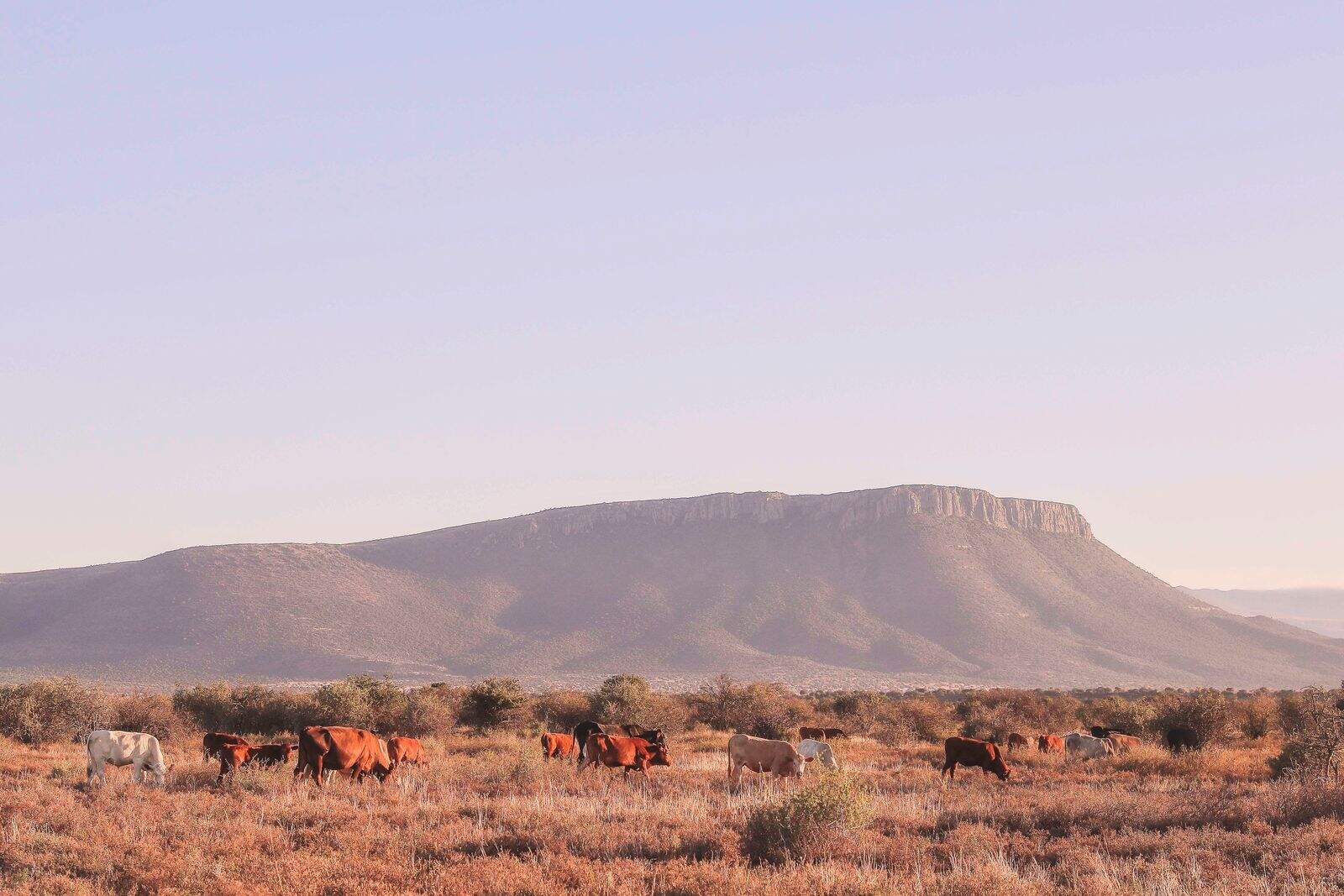
Karoo_Cows

Farming Culture

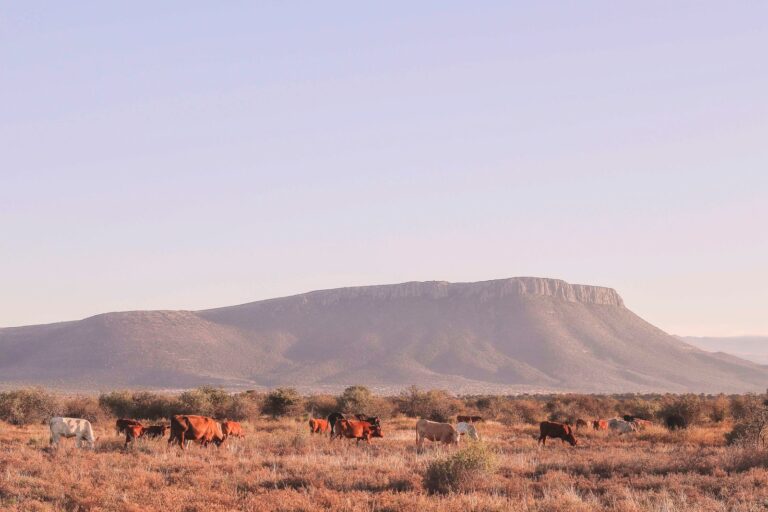
Livestock farming forms a significant part of Karoo culture, primarily centred around sheep and goat farming for both fibre and meat. Merino wool and mohair are both produced in the Karoo, whilst Karoo lamb is revered for its natural herby quality – “pre-seasoned” from nibbling on indigenous Karoo bushes!

The meat served in Samara’s lodges is sourced from local flocks including our own regeneratively-farmed herd of cattle and sheep which is managed to mimic the springbok migrations of old – when animal movements were dictated by predators and the rains and not restricted by fences. The ecological impact of this farming project is continually monitored, with the ultimate goal of developing a model for more ecologically-sensitive farming – key to unlocking space for Nature in the broader Karoo.

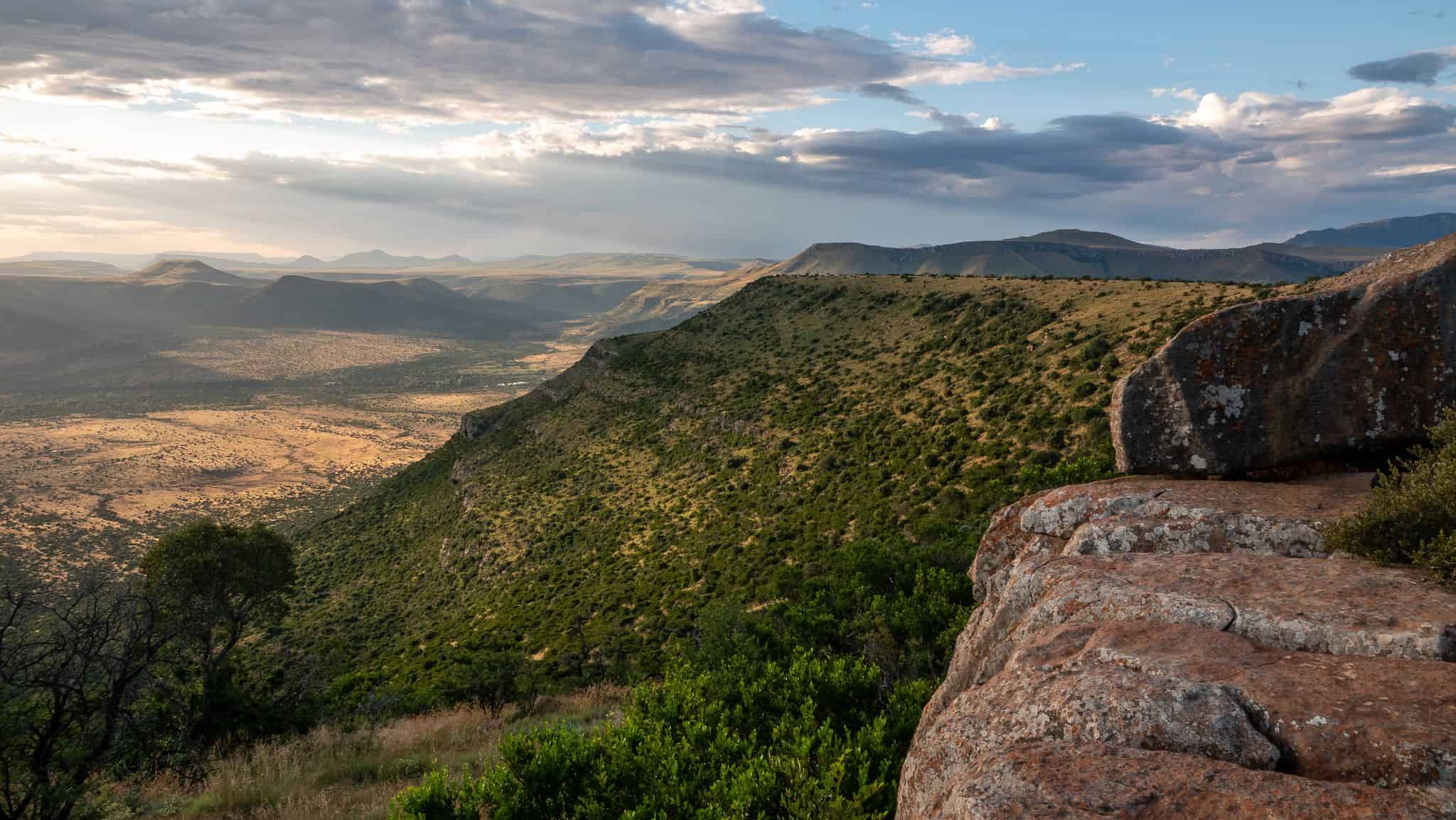
Karoo_Hilltop

Geology

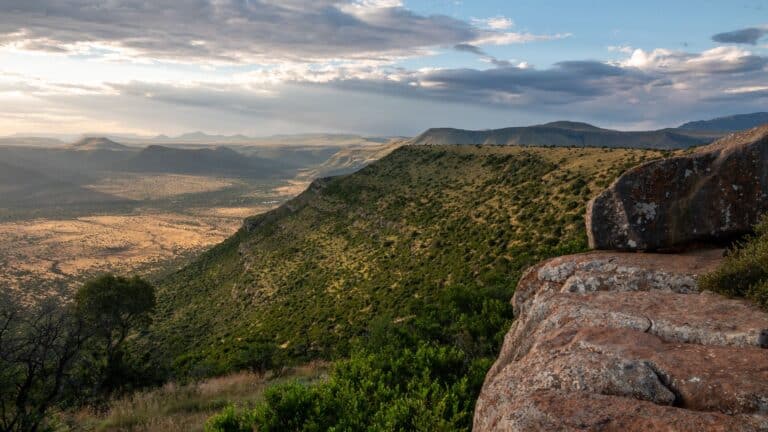
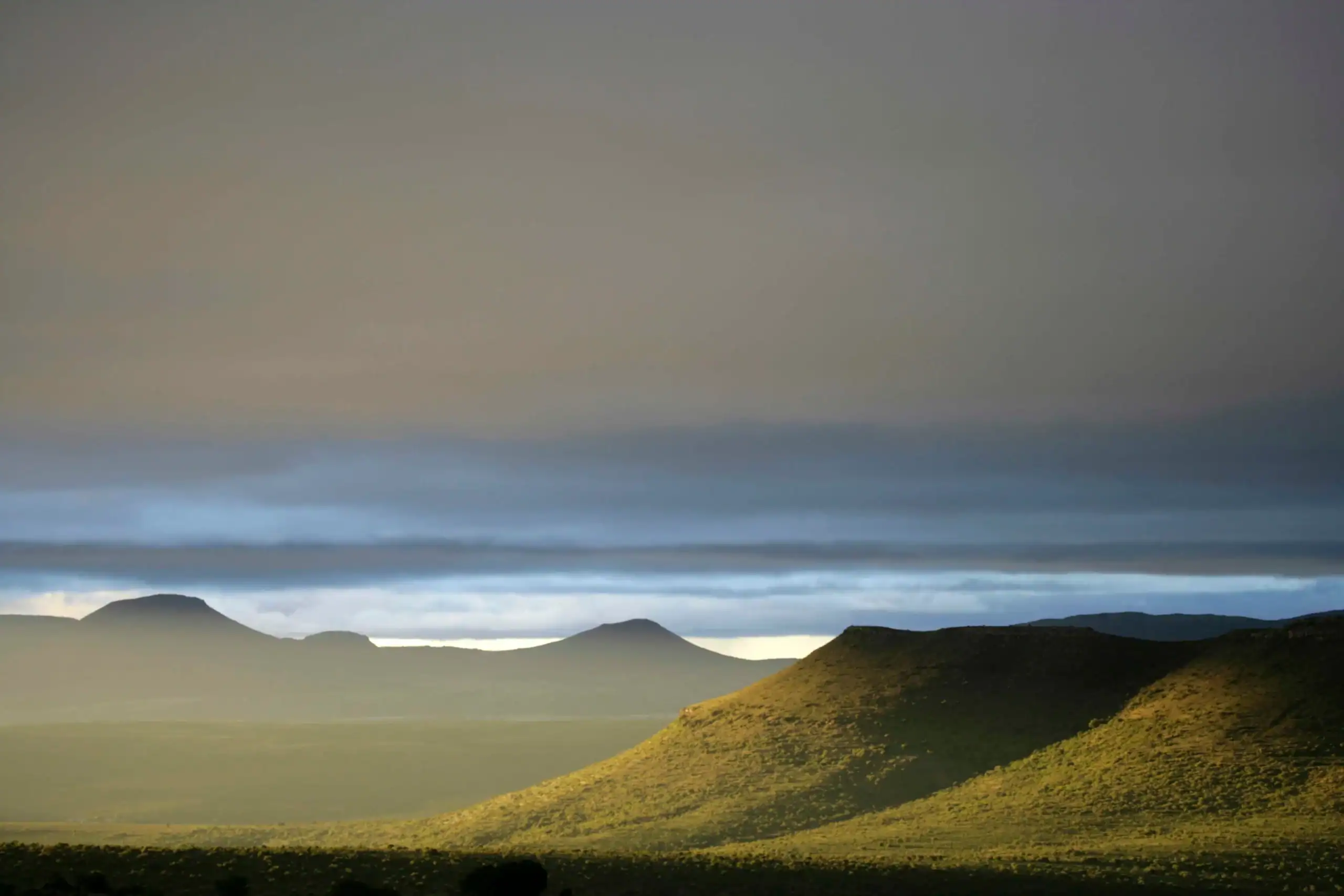
The tumultuous geological phenomena experienced over the past 300 million years have shaped the Karoo we see today. Initially covered by a glacier, after several millennia the ice melted to form an inland sea almost 400,000 square kilometres in size. As the sea itself shrank, vast and powerful rivers washed through the region, eroding the mountainous areas and depositing layers of silt in the valleys, turning the Karoo into a delta.

After a mass extinction event some 251 million years ago, in its place formed a desert with vast sand dunes. 70 million years later, as Gondwana’s crust began to tear apart, molten lava poured from the Earth’s core and covered the dunes, solidifying to form a thick layer of basalt rock. Millennia of erosion have since deposited the sediment layers in the Indian Ocean, but the rock-capped mountains form the basis of the Karoo landscape we see today.

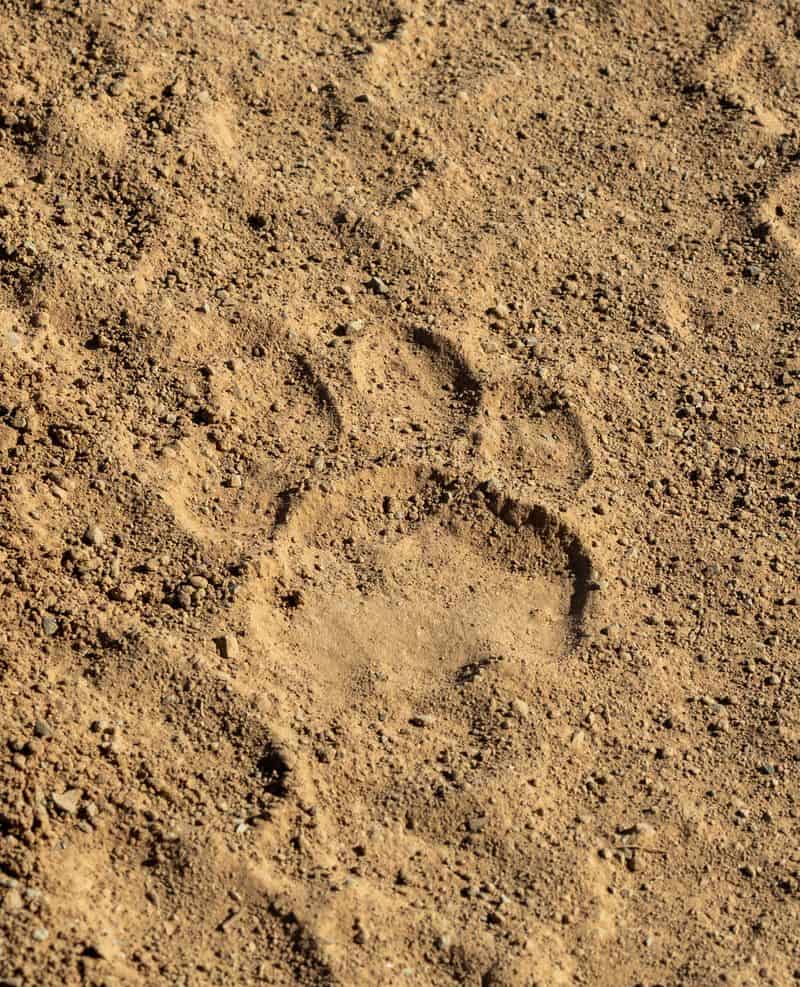
Karoo_Tracks

Tracking

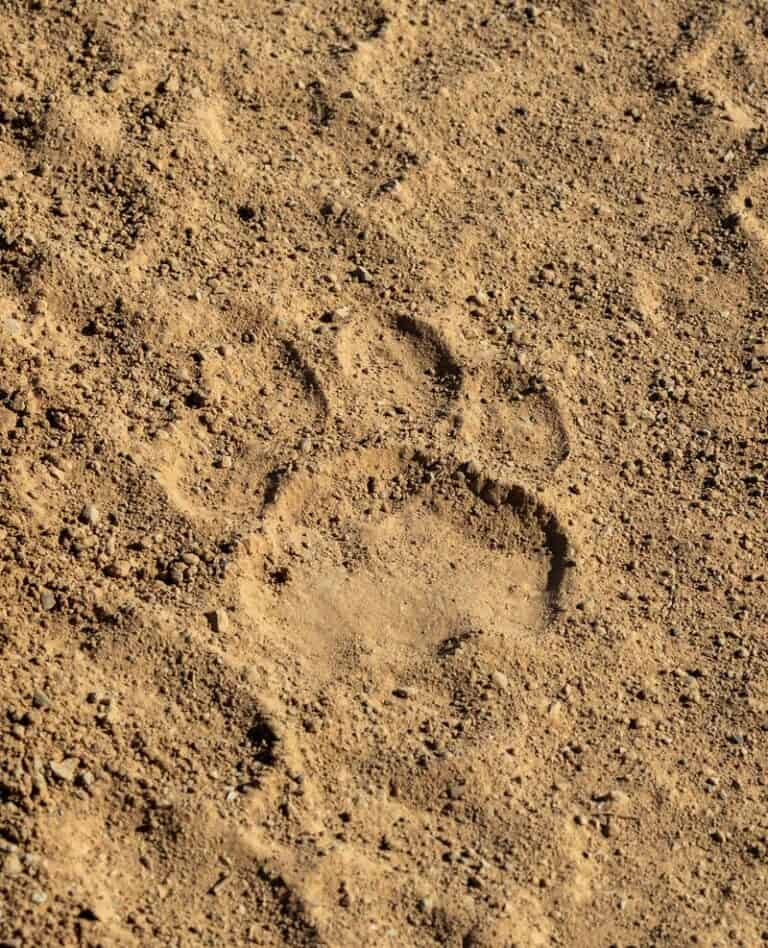
Some of the most well-known tracking cultures in Southern Africa are that of the San and the Khoi Khoi, the names given to the various indigenous peoples that descended from the Cape’s very first human inhabitants.

This indigenous tracking knowledge, once passed from grandfather to father to son, evolved for reasons of survival. Today it is being lost to increasing urbanisation and the commercialisation of the modern-day safari experience, both of which have obviated the need for old-fashioned tracking. By honouring tracking as a discipline in its own right, and training the guiding team to develop their tracking knowledge, Samara seeks to ensure this highly-specialised skill survives into the next century.

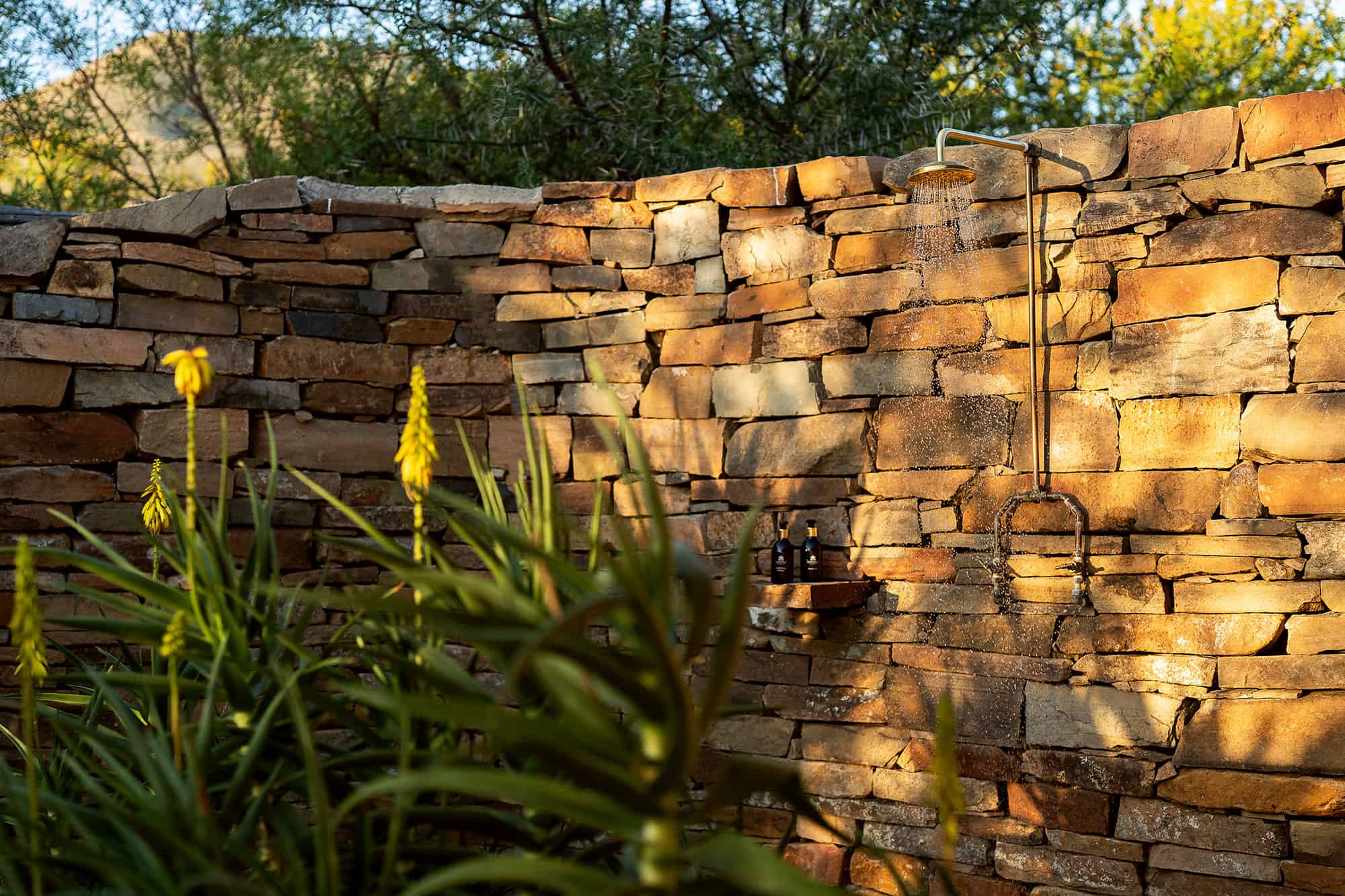
Samara-Karoo-Lodge-Karoo-Suite-outdoor-shower-Maike-McNeill

Traditional Artistry

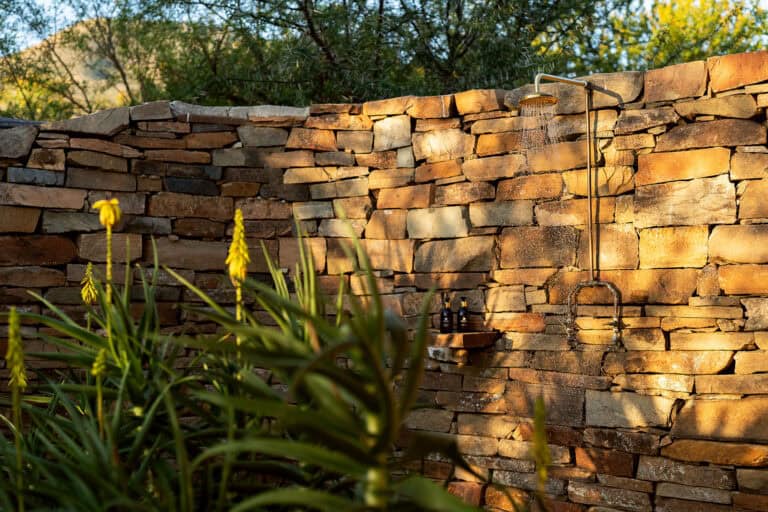
Creativity abounds in the Karoo, with artisans of all stripes creating unique crafts using traditional techniques. Many products are made from natural fibres such as wool and mohair, whilst some use upcycled waste materials like old fencing wire or recycled plastic. From jewellery to clothing to homeware to art – the creative outputs of the Karoo community reflect the unexpected riches that this harsh environment provides.

Traditional skills are also in evidence across the small towns and farms of the region. The art of dry stone walling is a method of building walls by stacking stones without mortar, relying on the builder’s skill and experience to ensure the walls’ structural integrity. Such techniques have been employed at Samara’s lodges to preserve this form of vernacular architecture.

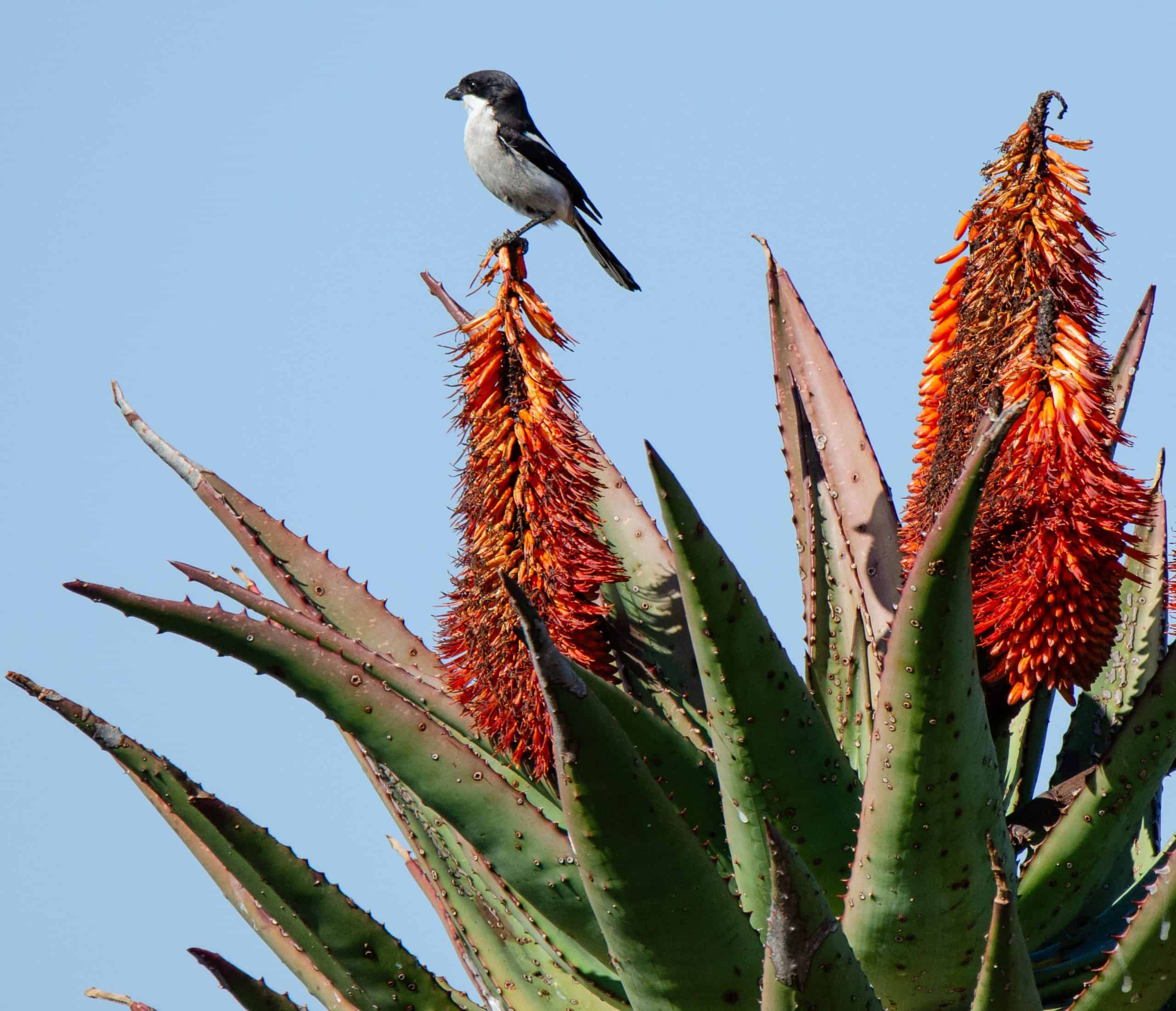
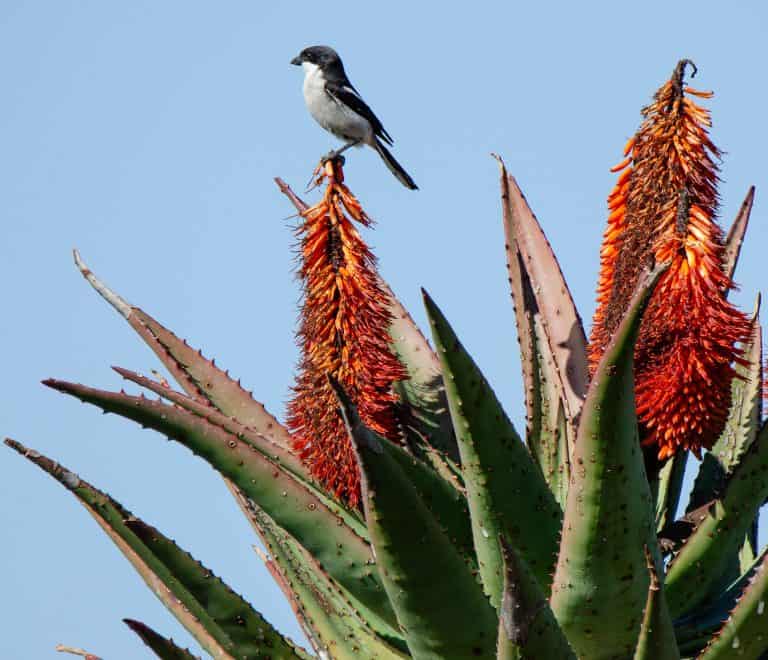
Aloe Ferox and Bird

Aloe Ferox

With its towering flower spikes and spiny, blue-green leaves, Aloe ferox is one of the most iconic plants of the Karoo. Hardy and drought-resistant, it thrives in poor soils and intense sun — a symbol of survival in tough conditions.

Traditionally used for its medicinal properties, the plant has long been harvested for its healing sap, believed to treat everything from skin ailments to digestive issues. Its striking blooms appear in late winter to early spring (June to August), when vibrant orange-red flowers light up the landscape and draw nectar-loving birds in droves.

Whether spotted on a mountainside or lining a quiet farm road, Aloe ferox stands tall as a botanical emblem of the Karoo.

Vygies

Vygies

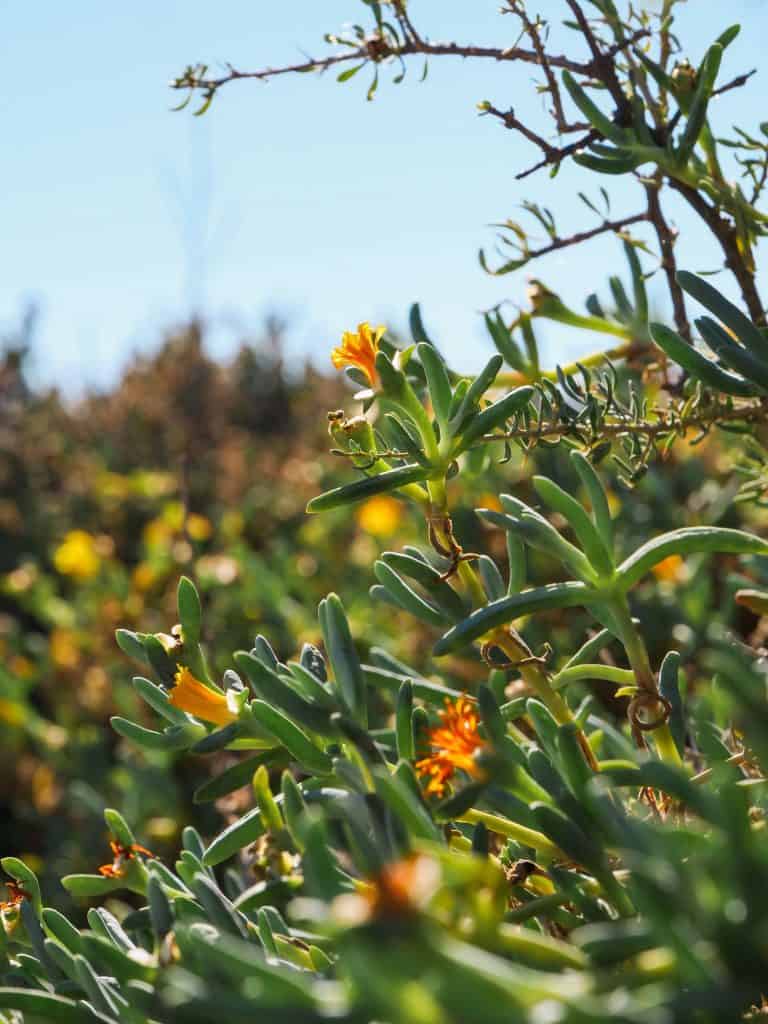
Bursting into bloom after the rains, vygies (from the Afrikaans for “little figs”) paint the Karoo in brilliant shades of pink, purple, yellow, and orange — a beautiful display that transforms the semi-arid landscape into a sea of colour.

Their bright flowers attract a range of pollinators, contributing to the delicate balance of the Karoo’s food web. Their root systems help stabilise the soil, reducing erosion and maintaining ground cover in areas prone to degradation. With their fleshy leaves and water-storing capabilities, vygies thrive where few other plants can.

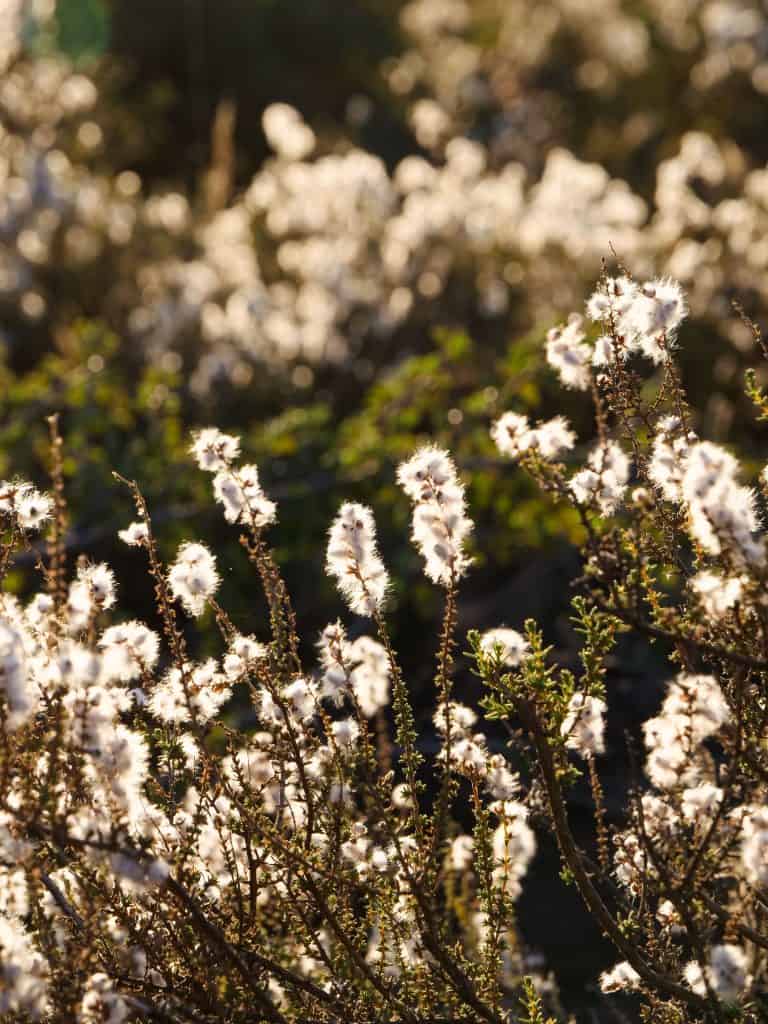
Kapokbos

Kapokbos

A familiar sight in the Karoo’s winter landscape, Eriocephalus africanus (commonly known as Kapokbos) adds both fragrance and texture to the semi-arid shrubland.

In winter, Kapokbos transforms into a striking spectacle, its fine branches covered in delicate white flowers that give way to fluffy seed heads resembling snow or cotton wool. This seasonal display is what earned the plant its Afrikaans name — “kapok” meaning light snow. Kapokbos is known for its strong scent, with notes reminiscent of rosemary, menthol and eucalyptus when the leaves are crushed.

Traditionally used to ease colds and digestive troubles, Kapokbos holds a place in Karoo folk medicine. Its leaves can be steeped into tea or added to dishes for extra flavour — a natural seasoning for the Karoo kitchen.

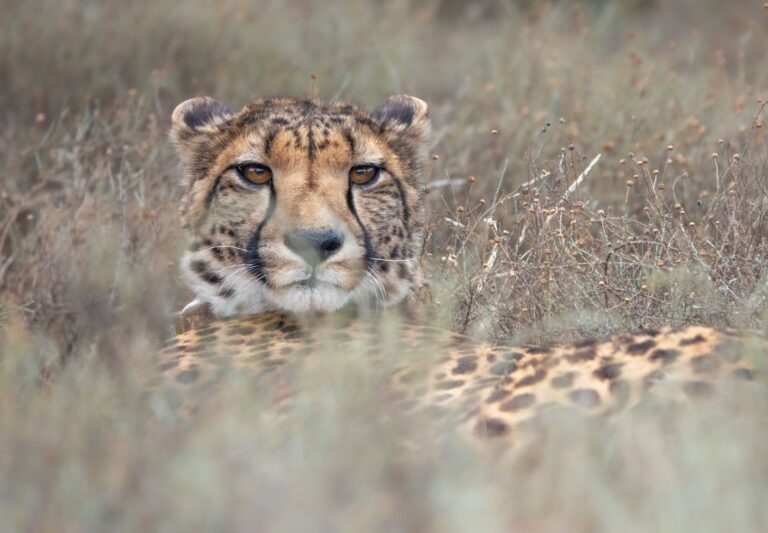
Karoo_Cheetah
Cheetah_Family

Cheetah

The Karoo provides excellent cheetah habitat. Samara is widely-regarded as one of the best places in Africa to view cheetah in the wild, both from a vehicle and on foot.

Estimates suggest that fewer than 7,200 adult cheetahs remain worldwide. Samara’s success with cheetah conservation has seen in excess of 60 individuals living and being born on the reserve, with dozens translocated across sub-Saharan Africa to supplement populations in private protected areas and national parks.
Cheetah_Family
Karoo_Crane

Blue Crane

South Africa’s national bird is a ubiquitous Karoo resident – seen in pairs with chicks during the summer months and in large flocks during the winter.

Culturally the blue crane is revered by the amaXhosa people, to whom it’s known as “indwe”. Traditionally, Xhosa heroes, known as “men of ugaba”, were adorned with its feathers by chiefs, symbolising their role as peacekeepers during times of trouble.

The eerie call of a blue crane in flight is a special sound to hear on safari.

Karoo_Cheetah Cub
Cheetah_Family

Sibella

Privileged to be home to the endangered cheetah, Samara was also host to a remarkable individual. Sibella was a wild cheetah who defied the odds to become a global ambassadress for cheetah conservation.

Born in South Africa’s North West province, her life nearly ended at the hands of hunters who set dogs upon her, before locking her in a cage and leaving her for dead. Undergoing five hours of surgery to save her life, she was rehabilitated and subsequently translocated to Samara in 2003 – making history as the first wild cheetah to return to the Great Karoo in 130 years.

learn more
Cheetah_Family
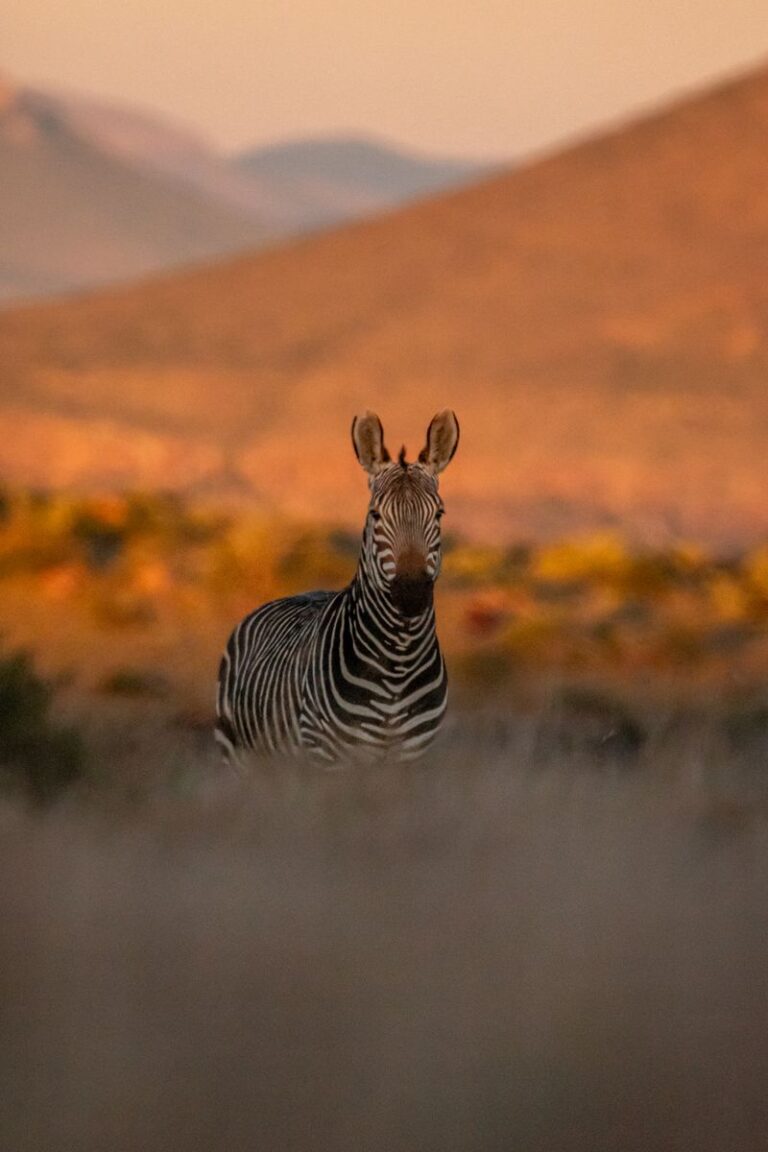
Karoo_Zebra

Cape Mountain Zebra

Once roaming across vast areas of the Eastern and Western Capes, Cape mountain zebra now survive only in small pockets of protected areas across their former range. The Mountain Zebra National Park near Cradock was proclaimed in 1937 specifically to protect this diminutive zebra and has been instrumental in growing its population from around 80 individuals to just under 5,000 across South Africa.

Grassland-dwellers, Cape mountain zebra can be found on Samara’s mountain plateaus where they socialise in small family groups.

Karoo_Rhino

Black Rhinoceros

Today there are around 6,400 black rhinoceros remaining across Africa. The desert-adapted subspecies is known for its ability to thrive in harsh conditions, navigating temperature extremes and limited water availability. This makes it particularly well-suited to the Karoo environment.

The 18th century French naturalist Francois le Vaillant wrote prolifically about his adventures in the South African interior. In one diary entry, he noted the presence of black rhinoceros tracks by a river which traverses modern-day Samara. Fast-forward several centuries, and after Samara’s historic black rhinoceros reintroduction in 2013, our region is once more home to this Critically Endangered species.

Karoo_Lion
lion-image

Lion

Historical records show that the prides of lion that used to roam the region of Samara were so fierce that travellers would not set off in their oxen-pulled wagons at night so as to avoid these predominantly nocturnal hunters.

Samara reintroduced the first lion back into the region in 180 years in 2019. The aim of the reintroduction was twofold: to expand habitat for a species whose numbers have plummeted by 75% over the past 50 years, and to restore the ecological function of predation back onto the reserve.

lion-image
Karoo_Elephant baby

Elephant

Elephants, being the largest mega-herbivores in Africa, are known as ecosystem engineers for the way in which they shape and influence ecosystems and biodiversity. After an estimated absence of more than 150 years, Samara reintroduced the first elephant herd back onto the landscape in 2017.

This provided an exciting research opportunity to explore elephant impacts. An ongoing monitoring programme measures the elephants’ effects on select plant species. Interestingly, Samara’s elephants are showing signs of targeting alien invasive trees such as the pepper tree – indicating the potential of rewilding to overcome other environmental challenges.

Karoo_Springboks

Springbok Migrations

Majestic migrations are synonymous with East Africa, but did you know that centuries ago South Africa’s Karoo played host to the epic springbok migration? Springbok once roamed widely across the Karoo basin, hundreds of thousands-strong, following the rains to find year-round sustenance. Eye-witness accounts describe a thunderous, awe-compelling event when they set off on their trek. It is said that the dust generated by the antelope’s hooves hung in the air for up to two weeks. The last springbok migration was recorded in the Eastern Cape in 1896.

Though seemingly destructive to the land it passed through, the migration served a neat ecological purpose. The springbok hoof action broke up the hard dry soil, their droppings laying the foundation for the next season’s growth, catalysed by the Karoo’s infrequent rains. Roaming as they once did across a vast landscape without fences, it could be years before they found themselves back in the same spot. In this way, grasses and shrubs had ample time to recover.

Karoo_Aardvark

Aardvark

Topping many a safari bucketlist is a peculiar creature. The only member of its order (Tubulidentata), the aardvark is quite literally in a league of its own, genetically and physically. It resembles nothing else that you might spot on an African safari, combining the ears of a donkey, tail of a kangaroo and snout of a pig with a 40cm pink tongue and long sharp claws.

Aardvarks are found across Africa in a broad range of habitats, but they remain notoriously elusive in most places. Samara and the Karoo in general contain large tracts of suitable habitat for aardvarks – where the soil is sandy enough to be dug with ease, yet structured enough that its burrows (where it spends the day) do not collapse in on themselves.

Read More
Karoo_Vultures

Cape Vulture

Much-maligned in popular Western culture as harbingers of death and disease, the presence of vultures is in fact a signal of a healthy ecosystem, as the scavenging function they perform helps to prevent the spread of disease.

Only 9,400 mature Cape vultures remain, with migrant individuals occasionally traversing the Karoo region to feed on carcasses left by Samara’s predators. These meagre numbers are a far cry from populations of old, when vultures were said to nest and perhaps even breed in the Karoo. Indeed, one of the mountains on Samara is named Aasvoelberg – Afrikaans for “Vulture Mountain”.

Samara is proud to be a part of the Karoo Vulture Safe Zone, a joint initiative by the Endangered Wildlife Trust, SANParks and BirdLife South Africa. The programme hopes to encourage vultures to return to the Karoo by eliminating the threats they face across the landscape, from poisoning to collision with powerlines.

Leopard returning of its own accord, on camera trap 3

Leopard

Historically persecuted across the Karoo, leopards are starting to make a comeback. In 2021, we spotted the first leopard on the reserve since Samara’s inception in 1997. Since then, a camera trap and tracking programme has provided increasing evidence of leopards on the landscape. In 2024 we set up the Sneeuberg Leopard Project with Samara’s neighbours to better understand the leopard population within and beyond our borders.

A local newspaper cutting from 1906 describes how in the space of just a few years, nine leopards were captured at the farm Apieskloof, which is now home to Samara’s Karoo Lodge. With leopard conservation gaining traction in the region surrounding Samara, we hope to one day be able to support a similar density of leopards back on the landscape.

meerkats-burrow-roelof-wiesner

Meerkats

Native to Southern Africa, meerkats thrive in the arid Karoo landscape. At Samara, sightings of these lively creatures are a regular occurrence — whether they’re basking in the sun, foraging in the veld, maintaining their burrows, or engaging in playful social interactions.

Living in tightly knit groups known as mobs or clans, sometimes numbering up to 50 individuals, meerkats follow a complex social structure. Their cooperative behaviour and strong social bonds have made them a symbol of unity and teamwork in Southern African folklore.

These small mammals also play an important ecological role in the Karoo. Their burrowing aerates and enriches the soil, while their insectivorous diet aids in natural pest control.

bat-eared-fox-pup-den-samara-karoo-eastern-cape-daviid-swanepoel

Bat-Eared Fox

Named for their oversized ears, bat-eared foxes are specialist insectivores, uniquely adapted to the open plains of the Karoo. Their acute hearing helps them locate beetles, termites and other invertebrates underground, while their large ears also assist with thermoregulation in this often harsh environment.

Mostly nocturnal, these elusive animals are a special sighting for the patient safari-goer. During the cooler months they are often spotted during daylight hours, foraging with heads tilted to the ground, ears twitching at the slightest rustle. Remarkably, they derive most of their moisture needs from the insects they consume – an essential adaptation for survival in arid landscapes.

Secretary bird

Secretary Bird

Tall, graceful and unmistakable, the secretary bird stalks the Karoo’s grasslands on long stilt-like legs. Renowned for their snake-hunting prowess, they dispatch their quarry with swift, crushing kicks. It’s a behaviour as dramatic as it is efficient.

Despite their raptor status, secretary birds hunt almost exclusively on foot, covering large distances with an unhurried, stately gait. Their feathered crest and quill-like head plumes earned them their name in colonial times, said to resemble a 19th century clerk with pens tucked behind his ear.

As the national emblem of South Africa, the secretary bird is featured on the country’s coat of arms, symbolising vigilance, protection and decisive action.

LudwigBustardFlying(2)_KathleenVanOppen

Ludwig's Bustard

A true grassland specialist, Ludwig’s bustard favours open, semi-arid habitats. With a total range of approximately 380,000 km², this elusive bird is nonetheless a rare sight, its conservation status listed as Endangered.

Males are known for their striking breeding displays, inflating their necks, raising white feathers, and letting out deep booming calls in an attempt to attract females to traditional courtship sites. Despite a current estimated population of over 100,000 in South Africa, Ludwig’s bustards face a serious and growing threat: powerline collisions. Due to a visual blind spot while flying, these birds struggle to detect overhead wires, resulting in an estimated 4,000 to 11,900 fatalities each year.

Every sighting at Samara serves as both a rare pleasure and a poignant reminder of the fragility of this unique species.

2A4A4839

Black Wildebeest

Native to the open grasslands of southern Africa, the black wildebeest is a distinctive, hardy antelope species, instantly recognisable by its dark shaggy coat and long, horse-like white tail.

Historically, black wildebeest ranged seasonally across the Highveld grasslands, venturing into the semi-arid Karoo after summer rains and retreating to cooler pastures in the dry season. However, by the late 19th century, overhunting, along with perceptions of them as pests, drove the species to the brink of extinction. Thanks to dedicated conservation efforts healthy populations have since been restored. Today, the species is classified as Least Concern by the IUCN.

Once nearly lost, the black wildebeest’s return to the Karoo is a South African conservation success story.

Blesbok

Blesbok

Easily recognised by the bold white blaze running down its face, the blesbok is a striking antelope found nowhere else in the world. Endemic to South Africa, blesbok thrive in open, grassy habitats like the plateau grasslands found at Samara.

Hunted to near-extinction in the 1800s, the blesbok’s recovery is a conservation success story. Yet their continued survival depends on safeguarding habitat and maintaining genetic diversity. As stewards of their native range, we carry a responsibility to protect this uniquely South African species.

gemsbok-samara-karoo-reserve-marnus-ochse

Gemsbok

With their striking black-and-white facial markings, long straight horns, and graceful build, gemsbok are among the most iconic antelope of southern Africa’s arid landscapes. Once widespread across much of southern Africa, habitat loss and fragmentation have reduced their distribution.

Gemsbok are true desert specialists, and can survive for days without drinking water, drawing sufficient moisture from the plants they consume. Typically grazing on grasses, they will shift to browsing shrubs and bushes during dry spells or when food is scarce.

A symbol of resilience and beauty in the harsh Karoo environment, the gemsbok is both a visual spectacle and a testament to Nature’s ability to thrive against the odds.

eland-mountain-landscape-marnus-ochse

Eland

The largest of all antelope species, the eland is a gentle giant of the Karoo. Despite their impressive size these animals are remarkably agile, capable of jumping over two metres from a standstill. With their spiral horns, dewlaps, and soft tan coats marked by faint white stripes, eland are a majestic sight on the open plains.

Historically widespread across southern Africa, eland favour open grasslands, savannahs, and shrublands, making the Karoo an ideal habitat. They are highly adaptable feeders, grazing on grasses when available but switching to browsing during drier periods.

Once a staple in indigenous cultures for both spiritual significance and sustenance, the eland today remains a symbol of grace, strength, and survival in the Karoo wilderness.

dinner-dish-karoo-lamb

Food

Rooted in simplicity, seasonality, and deep cultural heritage, Karoo cuisine reflects the essence of the land itself — unpretentious yet full of flavour. At Samara, this culinary tradition is celebrated through a thoughtfully crafted menu that draws inspiration from the region’s pastoral legacy and diverse influences.

Dishes showcase locally-sourced ingredients from surrounding farms and artisanal producers, offering guests a true taste of place. From succulent Karoo lamb and fresh garden vegetables to homemade preserves and traditional baked goods — lovingly prepared each day by our talented chefs — each meal tells a story of connection to the land, the seasons, and the people who call this region home.

3M6A8687

Friendly Faces of Samara

At the heart of every Samara stay are the warm, welcoming faces of our team — the people who turn a safari holiday into a truly unforgettable experience. Many of our staff members grew up in the surrounding communities, bringing with them not only a deep connection to the land but also a genuine sense of pride and hospitality that shines through in every interaction. Their knowledge, care, and attention to detail enhance each guest experience, whether it’s a perfectly prepared meal, a heartfelt conversation, or a beautifully turned-down bed after a long day in the bush.

For many, working at Samara means more than just a job — it’s a way to support their families and to uplift their communities through meaningful employment. It is this spirit of care and connection that makes Samara feel like home, even if just for a while.

Y1f5Oqro

Graaff-Reinet's Cultural Treasures

Graaff-Reinet is a cultural hub where history, art and science meet. These highlights bring the town’s heritage to life.

Visit the Karoo Origins Fossil Centre for a deep-time journey through the region’s evolutionary past. Step into 18th-century life at the Reinet House Museum, once home to Reverend Andrew Murray.

The Jan Rupert Art Museum, housed in a restored Victorian building, showcases rotating exhibitions of South African art. The NG Kerk (pictured), a striking Gothic church, anchors the town centre.

The Military History Museum reflects the region’s role in the Anglo-Boer War, whilst the more than 220 listed national monuments (more than any other town in South Africa) tell a rich Karoo story — cultural, creative and enduring.

samara-mountains-view-karoo-south-africa-tandjiesberg

Jacob Hendrik Pierneef

One of South Africa’s most celebrated landscape artists, Jacob Hendrik Pierneef (1886-1957) was deeply inspired by the Karoo. The region’s vast spaces, stillness, and distinctive light shaped many of his most iconic works.
In paintings like Karoo K.P., he captured the muted glow of the plains and the stark geometry of dolerite-capped mountains — scenes that echo the view from Samara.

Samara-Karoo-Lodge-arrival-Maike-McNeill

Karoo Architecture

Traditional Karoo architecture made use of locally available materials to build homesteads designed to withstand the harsh conditions of the Karoo. Thick walls kept interiors cool in summer and warm in winter, while wraparound verandas provided shade and outdoor living space. Sash windows, high ceilings, and symmetrical layouts reflected the Cape Dutch and Georgian influences of the early 19th century, later joined by Victorian flourishes.
At Samara, this heritage lives on in Karoo Lodge, a lovingly-restored former farmhouse that captures the essence of Karoo living. While the lodge has been modernised for comfort, its soul remains rooted in the past — with original architectural details preserved, antique furniture carefully curated, and a design ethos that honours the textures, tones, and tranquillity of the surrounding veld.

Voices of the Karoo (Placeholder)

Voices of the Karoo

The Karoo has shaped, and been shaped by, some of South Africa’s most remarkable thinkers and writers.

Robert Sobukwe, born in Graaff-Reinet in 1924, was a key figure in the anti-apartheid movement. As founder of the Pan Africanist Congress, he championed African self-determination with unwavering conviction.

Eve Palmer, whose “The Plains of Camdeboo” remains a seminal work, captured the soul of the region in prose that is both intimate and enduring, writing about the farm Cranemere which shares a border with Samara. Her work helped shape a modern appreciation for the Karoo’s natural and cultural heritage.

Olive Schreiner, author of “The Story of an African Farm” set on a farm near Cradock, was a bold feminist voice ahead of her time. Her writing challenged the norms of her era and reflected a deep connection to the Karoo.

Screenshot

Stoep Tasting Festival

Each year in May, Graaff-Reinet transforms into a celebration of local flavour, community and Karoo hospitality. The Stoep Tasting Wine Weekends invite visitors to explore South Africa’s rich wine culture — from bold reds to crisp whites, craft gins and artisanal bites — all enjoyed on the town’s historic stoeps.

Set against a backdrop of heritage buildings and wide Karoo skies, the festival offers an authentic taste of place. It’s wine tasting, Karoo style — laid-back, generous and full of character.

Karoo_Tree

Shepherd Tree

The Karoo shepherd tree (Boscia oleoides) is the iconic tree in Samara’s logo. For centuries it has been used by shepherds as a shelter of choice while guarding their livestock in the hot sun. The Afrikaans name “Witgatboom” fittingly refers to the tree’s conspicuous white trunk, which can easily be spotted when meandering through the veld.

In times gone by, shepherd tree roots were pounded to make porridge and a chicory-style coffee substitute, as well as a kind of beer. An infusion of the leaves was used to treat eye infections in cattle, whilst household utensils were once made from the wood.

Samara is home to some ancient shepherd trees, including one that has been aged at 800 years and counting.

spekboom

Spekboom

Spekboom (Portulacaria afra) is a hardy succulent plant which can be found across the north-facing slopes of the Karoo. It is a favoured plant for land restoration projects due to its soil binding qualities and carbon sequestration potential. In ideal conditions, intact Spekboom thicket is said to rival the carbon sequestration of the Amazon rainforest.

Samara engages in land restoration through Spekboom planting in order to revitalise areas damaged by previous livestock overgrazing. In 2024, the Samara team planted 3,000 Spekboom cuttings.

Spekboom is a favoured food of kudu, eland and elephants – and is tasty in a salad!

Karoo_Flowers

Sneeuberg Centre for Endemism

The Sneeuberg mountain range is home to 33 plants found nowhere else on Earth – highlighting the region’s global importance for unique plant life.

The flower pictured is the Fairy Bell (Dierama grandiflorum). Found in just a handful of places between Graaff-Reinet and Somerset East, this rare wildflower’s presence signals healthy mountain soils and clean water.

Karoo_Bush Walk

Medicinal Plants

Many medicinal plants can be found across the Karoo – if you know where to look. Plants have been in our medicine chest since the dawn of time, the chemical compounds they produce being applied to myriad different uses, from coughs and colds to burn wounds.

A recent survey on Samara identified 128 medicinal plants on the reserve, from the bitter aloe to the wild cucumber and the kapokbos.

Other plants have non-medicinal but nevertheless useful applications. Pictured is the kersbos, a stunted spiny plant that grows naturally in Samara’s low-lying plains. It contains a resin that makes it flammable enough to be used as an effective firelighter.

cheetah-rock-art-samara-karoo-reserve

San Rock Art

Evidence of hunter-gatherer San culture abounds in the Karoo in the form of paintings and rock engravings. This artwork offers an insight into the beliefs, rituals and spiritual experiences of the San people.

A rock shelter on Samara contains rock paintings including fine line art attributed by experts to San people. One of the artworks is of a feline, likely a cheetah – fitting when one considers Samara’s cheetah conservation success!

Karoo_Rock art

Fossils

The history of the Karoo spans around 300 million years – originally an inland sea, it transformed first into a swamp and then into a semi-desert. The region is well-known for its fossil record, specifically of therapsids – mammal-like reptiles – which are key to our own evolution as humans. One such fossil, a Dicynodont, has been discovered at Samara. It is estimated to be 253 million years old.

A new palaeontological centre charting the rich fossil history of the Karoo is now open in Graaff-Reinet. The Karoo Origins Fossil Centre houses the priceless and world-famous Rubidge fossil collection – gathered throughout the Karoo almost a century ago.

Karoo_Graafreinet

Graaff-Reinet

Nestled in a horseshoe bend of the Sundays River, Graaff-Reinet was established in 1786, making it the 4th oldest magisterial district in the country. Briefly an independent republic, it was also one of the starting points of the Great Trek. Its carefully-preserved heritage is reflected in the 220 listed national monuments that dot the town, including classic examples of Karoo, Victorian and Cape Dutch architecture.

Today the charming town’s streets are lined with jacaranda trees, coffee shops and small businesses, yet they remain wide enough for two oxwagons to pass by one another – just in case.

Karoo_Stars

Stargazing

One of the darkest places on Earth, the Karoo night skies are something to behold. On a clear night the Milky Way extends like a canopy from horizon to horizon, with the stars so close that you could almost reach out and touch them.

The San people who lived in the Karoo spoke of being “children of the stars”, and gazing up at the multitude of pinpricks of light, it is easy to comprehend their awe.

Karoo_Wagon

Explorers and oxwagons

Throughout the 18th and 19th centuries, European explorers set out to discover more about the Great Karoo – known as the “Place of Great Dryness”. Sent on reconnaissance missions by authorities in the Cape, many colourful characters passed through the Karoo, mostly hugging the more temperate mountain ranges rather than braving the arid flat plains.

François Le Vaillant, a young French ornithologist, camped on the southern section of Samara. Something of an eccentric, he journeyed with a tame baboon called Kees, who acted as companion and “taster” of all unknown foods. He also owned a cockerel which served as his alarm clock. Every evening without fail, he would dress up in his finest gear, lay out all his silver, and consume a four-course dinner by candlelight. His travel journals recount tales of vast herds of game, leopards, black rhinos and buffalo.

Karoo_Cows

Farming Culture

Livestock farming forms a significant part of Karoo culture, primarily centred around sheep and goat farming for both fibre and meat. Merino wool and mohair are both produced in the Karoo, whilst Karoo lamb is revered for its natural herby quality – “pre-seasoned” from nibbling on indigenous Karoo bushes!

The meat served in Samara’s lodges is sourced from local flocks including our own regeneratively-farmed herd of cattle and sheep which is managed to mimic the springbok migrations of old – when animal movements were dictated by predators and the rains and not restricted by fences. The ecological impact of this farming project is continually monitored, with the ultimate goal of developing a model for more ecologically-sensitive farming – key to unlocking space for Nature in the broader Karoo.

Karoo_Hilltop

Geology

The tumultuous geological phenomena experienced over the past 300 million years have shaped the Karoo we see today. Initially covered by a glacier, after several millennia the ice melted to form an inland sea almost 400,000 square kilometres in size. As the sea itself shrank, vast and powerful rivers washed through the region, eroding the mountainous areas and depositing layers of silt in the valleys, turning the Karoo into a delta.

After a mass extinction event some 251 million years ago, in its place formed a desert with vast sand dunes. 70 million years later, as Gondwana’s crust began to tear apart, molten lava poured from the Earth’s core and covered the dunes, solidifying to form a thick layer of basalt rock. Millennia of erosion have since deposited the sediment layers in the Indian Ocean, but the rock-capped mountains form the basis of the Karoo landscape we see today.

Karoo_Tracks

Tracking

Some of the most well-known tracking cultures in Southern Africa are that of the San and the Khoi Khoi, the names given to the various indigenous peoples that descended from the Cape’s very first human inhabitants.

This indigenous tracking knowledge, once passed from grandfather to father to son, evolved for reasons of survival. Today it is being lost to increasing urbanisation and the commercialisation of the modern-day safari experience, both of which have obviated the need for old-fashioned tracking. By honouring tracking as a discipline in its own right, and training the guiding team to develop their tracking knowledge, Samara seeks to ensure this highly-specialised skill survives into the next century.

Samara-Karoo-Lodge-Karoo-Suite-outdoor-shower-Maike-McNeill

Traditional Artistry

Creativity abounds in the Karoo, with artisans of all stripes creating unique crafts using traditional techniques. Many products are made from natural fibres such as wool and mohair, whilst some use upcycled waste materials like old fencing wire or recycled plastic. From jewellery to clothing to homeware to art – the creative outputs of the Karoo community reflect the unexpected riches that this harsh environment provides.

Traditional skills are also in evidence across the small towns and farms of the region. The art of dry stone walling is a method of building walls by stacking stones without mortar, relying on the builder’s skill and experience to ensure the walls’ structural integrity. Such techniques have been employed at Samara’s lodges to preserve this form of vernacular architecture.

Aloe Ferox and Bird

Aloe Ferox

With its towering flower spikes and spiny, blue-green leaves, Aloe ferox is one of the most iconic plants of the Karoo. Hardy and drought-resistant, it thrives in poor soils and intense sun — a symbol of survival in tough conditions.

Traditionally used for its medicinal properties, the plant has long been harvested for its healing sap, believed to treat everything from skin ailments to digestive issues. Its striking blooms appear in late winter to early spring (June to August), when vibrant orange-red flowers light up the landscape and draw nectar-loving birds in droves.

Whether spotted on a mountainside or lining a quiet farm road, Aloe ferox stands tall as a botanical emblem of the Karoo.

Vygies

Vygies

Bursting into bloom after the rains, vygies (from the Afrikaans for “little figs”) paint the Karoo in brilliant shades of pink, purple, yellow, and orange — a beautiful display that transforms the semi-arid landscape into a sea of colour.

Their bright flowers attract a range of pollinators, contributing to the delicate balance of the Karoo’s food web. Their root systems help stabilise the soil, reducing erosion and maintaining ground cover in areas prone to degradation. With their fleshy leaves and water-storing capabilities, vygies thrive where few other plants can.

Kapokbos

Kapokbos

A familiar sight in the Karoo’s winter landscape, Eriocephalus africanus (commonly known as Kapokbos) adds both fragrance and texture to the semi-arid shrubland.

In winter, Kapokbos transforms into a striking spectacle, its fine branches covered in delicate white flowers that give way to fluffy seed heads resembling snow or cotton wool. This seasonal display is what earned the plant its Afrikaans name — “kapok” meaning light snow. Kapokbos is known for its strong scent, with notes reminiscent of rosemary, menthol and eucalyptus when the leaves are crushed.

Traditionally used to ease colds and digestive troubles, Kapokbos holds a place in Karoo folk medicine. Its leaves can be steeped into tea or added to dishes for extra flavour — a natural seasoning for the Karoo kitchen.

footer-tree
footer-logo

Petersburg Road, off the R63 to Pearston, Graaff-Reinet, Eastern Cape, 6280 South Africa

+ 27 (0)49 940 1111 reservations@samara.co.za
book now
  • Experiences
  • Stay
  • Our Story
  • Discover the Karoo
  • Offers
  • Impact
  • facebook
  • instagram
  • linkedIn
  • youTube
  • Terms & Conditions
  • Privacy Policy
  • Rates
  • Need to know
  • Sibella Tribute
  • Blogs
  • Agent
  • Careers
  • Contact
  • facebook
  • instagram
  • linkedIn
  • youTube
  • Terms & Conditions
  • Privacy Policy
newsletter

Stay updated on our news, offers and travel tips

newsletter
This field is for validation purposes and should be left unchanged.
I am a(Required)

All rights reserved © 2026 Samara Karoo Reserve

logo-atta TLR accreditations-pack accreditations-i-escape logo-rewilding-white

All rights reserved © 2026 Samara Karoo Reserve

footer-tree

"*" indicates required fields

1
2

Your Trip Details

Where would you like to stay?*

Plains Camp Closed: Jun–Aug 2026, July–Sept 2027

DD slash MM slash YYYY
Your Personal Details
stayed at Samara
Newsletter Signup